
When creating a care binder, include personal IDs, emergency contacts, and legal documents like advance directives. Organize medical history, current medications, and recent reports. Keep track of healthcare providers, appointments, and daily care routines. Store insurance info, billing records, and emergency procedures for quick access. Add support resources and notes to stay organized and prepared. If you want a thorough guide on what details to add, there’s more to explore below.
Key Takeaways
- Include personal IDs, emergency contacts, legal documents, and advance directives for quick identification and legal clarity.
- Organize comprehensive medical history, current medications, supplements, and recent health records for informed care.
- Maintain provider contact info, appointment schedules, care routines, and notes to ensure consistent and coordinated care.
- Store insurance details, billing information, and emergency procedures to facilitate billing and emergency response.
- Add support resources, community contacts, and personal notes to provide emotional and practical caregiving guidance.
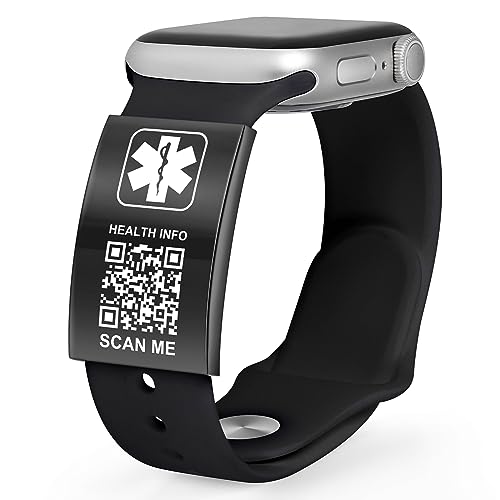
THELUCKYTAG Upgraded Medical Bracelets Men Women with QR Code Medical Alert ID Bracelets – Titanium Steel Wristband Fits Wrists Up 8''-10'' – More Space Custom Emergency ID Info
【ALL INFORMATION SET IN ONE PLACE】Get peace of mind with our medical alert bracelet that stores all your…
As an affiliate, we earn on qualifying purchases.
As an affiliate, we earn on qualifying purchases.
Personal Identification and Emergency Contacts
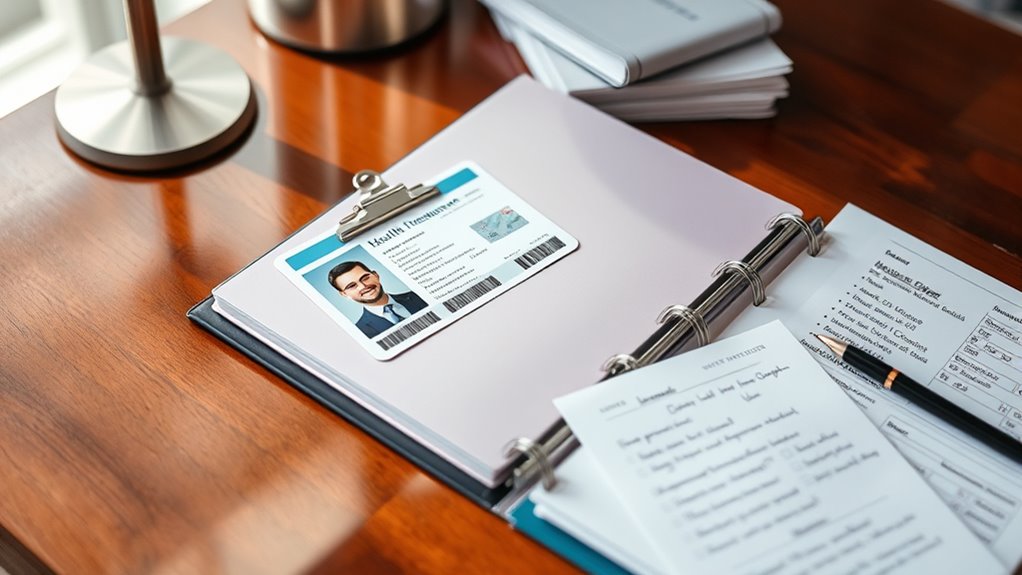
Having your personal identification and emergency contacts organized in your care binder is essential for quick access during emergencies. Include updated name tags and emergency bracelets that clearly display your name, key contacts, and any important medical information. These small items help first responders identify you immediately, especially if you’re unable to communicate. Make sure your name tags are securely attached to clothing or belongings, and your emergency bracelets are well-fitted and legible. Keep a list of emergency contacts with their phone numbers, allergy information, and any special instructions. Having this information readily available guarantees that help arrives swiftly and accurately, potentially saving valuable time and reducing confusion during critical situations. Additionally, first responder procedures emphasize the importance of clear identification to ensure prompt assistance.

Clever Fox When I Die Planner With Pockets for Documents – End-of-Life Organizer Binder for Important Personal Info & Final Wishes (Purple)
ORGANIZE EVERYTHING YOUR LOVED ONES WILL NEED – This all-in-one When I Die organizer binder helps you document…
As an affiliate, we earn on qualifying purchases.
As an affiliate, we earn on qualifying purchases.
Medical History and Records

Organizing your medical history and records guarantees that essential health information is readily available when it’s needed most. Include details about your family medical history to identify genetic predispositions that could impact your health. Record past illnesses, surgeries, allergies, and immunizations to provide a thorough overview of your health background. Keep copies of recent lab results, imaging reports, and specialist consultations. This special occasion information helps healthcare providers make informed decisions quickly and accurately. Regularly update your records to reflect new diagnoses or treatments. Having a well-organized medical history ensures you’re prepared for emergencies and appointments, reducing confusion and delays. It’s a critical step in maintaining your overall health and ensuring quality care.
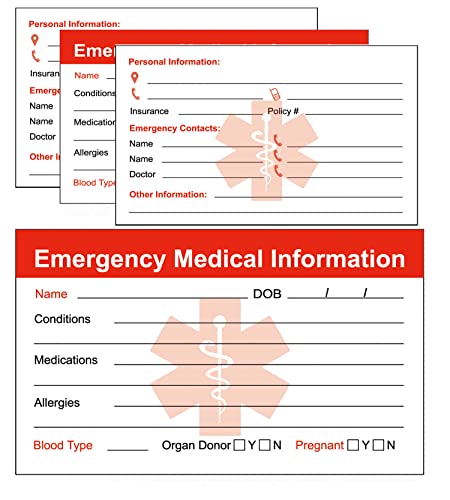
RXBC2011 Emergency Medical Information ID Card Pack of 5
Stay worry-free and alert first responders of your medical conditions in situations where you are unable to!
As an affiliate, we earn on qualifying purchases.
As an affiliate, we earn on qualifying purchases.
Current Medications and Supplements
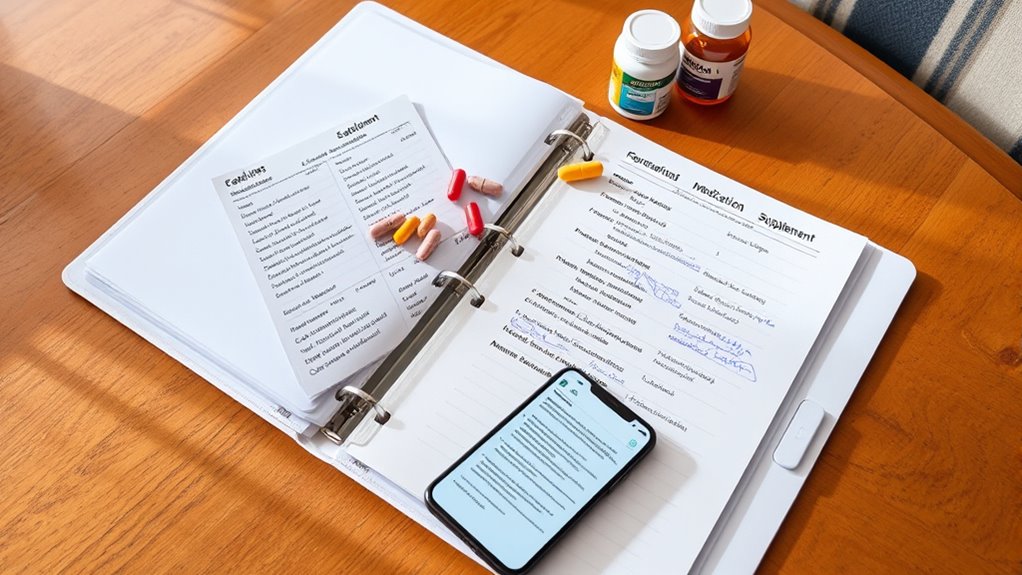
Make certain you record all your current medications and supplements, including their names and dosages. Keep notes on any specific instructions or side effects you experience. This information helps guarantee safe and effective management of your health. Additionally, understanding toilet maintenance can help prevent issues that might disrupt your daily routines.
Medication Details and Dosage
Keeping an up-to-date list of your current medications and supplements is essential for managing your health effectively. Include the medication name, dosage, frequency, and any special instructions. This helps you track your treatment plan and guarantees your healthcare providers have accurate information. Refill reminders are helpful to prevent missed doses and maintain consistent medication use. Be aware of potential medication side effects and note any unusual reactions. Keeping this information organized allows you to quickly reference details if you experience issues or need a new prescription. Regularly review and update your list whenever your medication regimen changes. Staying informed about breast cancer symptoms can help you recognize early signs and seek prompt medical attention. Clear, accurate records help you stay on top of your health and facilitate better communication with your healthcare team.
Supplement Information and Notes
Are your current medications and supplements accurately documented? Keep detailed notes on all dietary supplements and herbal remedies you take. Include the supplement name, dosage, frequency, and reason for use. This information helps healthcare providers understand your complete health profile and avoid potential interactions. If you’re using herbal remedies, note any effects or side effects you experience. Regularly updating this section ensures you don’t forget new supplements or stop using ones that are no longer needed. Having a clear record makes it easier to discuss your supplement routine with your medical team and ensures safe, informed decisions. Remember, accurate documentation of all supplements supports overall health and helps prevent adverse interactions with medications. Additionally, understanding projector technology can aid in making better choices for your home setup.
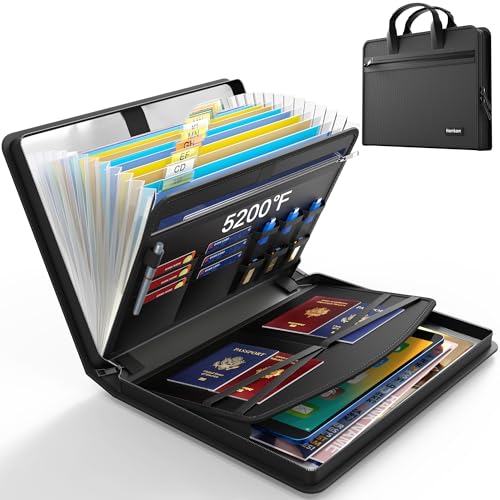
Hontom Accordion File Organizer,5200℉ Fireproof Document Organizer with 13 Pockets,Portable Travel Home Safe Storage File Folder Binder with Zipper for Letter Important Document,Paper,Receipt
5200℉ Fireproof Safe Protection:important document organizer is made of high quality silicone and aluminium foil lining material which…
As an affiliate, we earn on qualifying purchases.
As an affiliate, we earn on qualifying purchases.
Healthcare Providers and Appointment Details
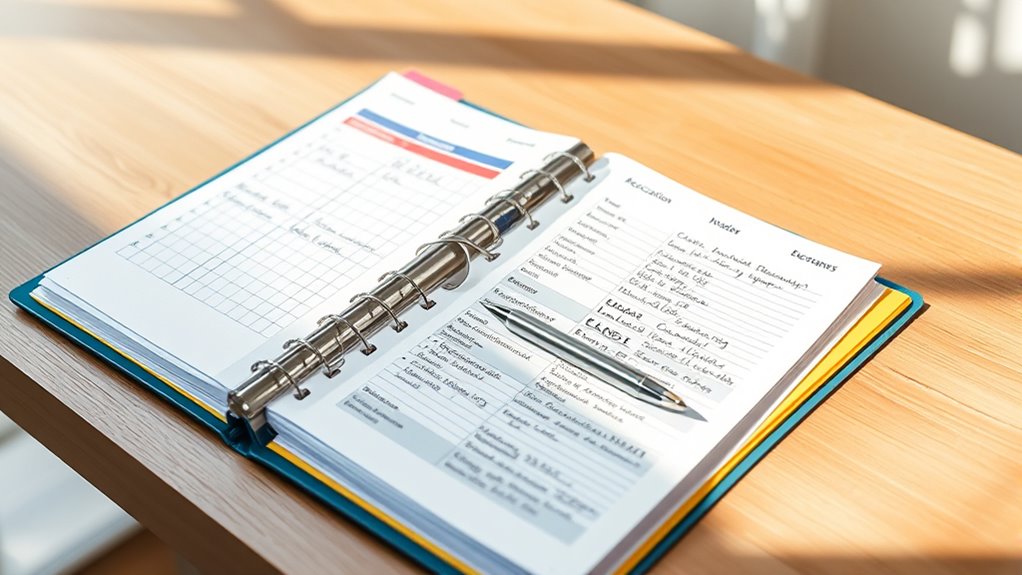
Having your provider contact information, appointment schedules, and medical notes organized makes managing your healthcare easier. You’ll want quick access to appointment reminders and a clear record of your medical history. This keeps you prepared and guarantees nothing slips through the cracks. Incorporating professional organization standards into your binder can also ensure your records meet industry best practices.
Provider Contact Information
Have you ever struggled to find the right phone number or appointment details during a medical emergency? Keeping your care provider’s contact details organized guarantees quick access when needed. Include the names, phone numbers, addresses, and office hours of all your healthcare providers. This helps you reach out promptly and avoid delays in critical moments. To stay organized, create a simple table like this:
| Care Provider | Contact Details |
|---|---|
| Dr. Smith | (555) 123-4567, 123 Main St, M-F 9-5 |
| Dentist Jones | (555) 987-6543, 456 Elm St, M-F 8-4 |
| Specialist Lee | (555) 321-7890, 789 Oak St, M-F 10-6 |
| Pharmacist | (555) 654-3210, 321 Pine St, 24/7 |
| Emergency | 911 |
Having this info handy saves precious time in urgent situations. Additionally, keeping your medical records organized can further streamline emergency responses and ongoing care.
Appointment Schedules & Reminders
Ever wonder how missing an appointment or forgetting a follow-up could impact your health? Keeping track of your appointment schedules and reminders helps you stay on top of your healthcare. Clear records of appointment dates, times, and locations ensure you don’t miss important check-ins or tests. Using a care binder for appointment scheduling improves medication adherence by reducing missed doses caused by forgotten visits. Include reminders for upcoming appointments and follow-up tasks, so you stay organized. Setting alerts can prevent last-minute scrambles and ensure your providers stay informed about your progress. Staying proactive with your schedule supports better health outcomes and helps you maintain a consistent relationship with your healthcare team. A well-maintained appointment section keeps your care organized and stress-free. Additionally, consulting retail hours for nearby clinics or pharmacies can help plan your visits more efficiently.
Medical History & Notes
Keeping detailed records of your medical history and notes about healthcare providers and appointment details helps you manage your care more effectively. It guarantees you stay on top of medication management and health tracking. To make this section useful, consider including:
- A list of your past and current diagnoses, treatments, and surgeries for quick reference.
- Contact information for your healthcare providers, including specialists and pharmacists.
- Notes from recent appointments, including medication changes, test results, and follow-up instructions.
- Being aware of angel number meanings related to love and relationships can help you recognize signs of soulmate connections during your health journey.
Insurance Information and Billing Records
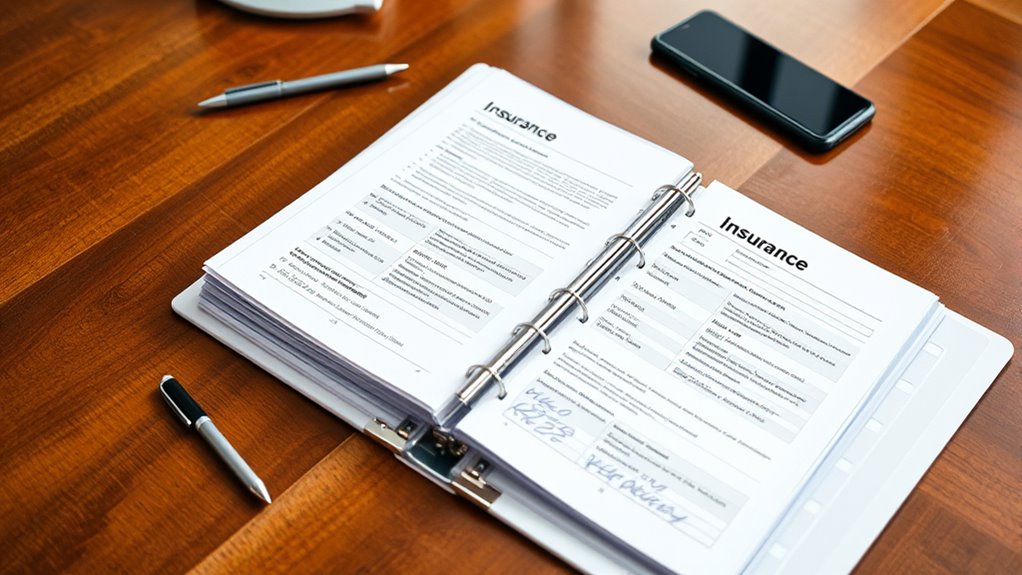
How can you guarantee your medical bills are handled smoothly? Keep detailed records of your insurance information and billing records. Include copies of insurance cards, policy numbers, and contact info. Track insurance claims and billing codes used during visits to avoid confusion. Organize your records in a way that’s easy to update and reference. Additionally, maintaining accurate documentation can help streamline the billing process and resolve discrepancies promptly.
Legal Documents and Directives

Having your legal documents and directives organized guarantees your wishes are clear and easily accessible when needed. Proper legal planning guarantees your preferences are honored and reduces confusion during emergencies.
Organizing your legal documents ensures your wishes are clear and accessible when it matters most.
Consider including:
- Advance directives – specify your healthcare choices if you’re unable to communicate.
- Power of attorney documents – appoint someone to make legal or financial decisions on your behalf.
- Living will – outline your wishes regarding life-sustaining treatments.
Storing these documents securely in your care binder simplifies access for you and your loved ones. Ensure copies are up-to-date and easily found, so your care team can follow your directives without delay. Organized legal planning provides peace of mind knowing your preferences are documented and respected.
Daily Care Plans and Notes
After organizing your legal documents and directives, it’s important to create clear daily care plans and notes to guarantee consistent and effective care. Your daily care routines should be outlined in your care plan documentation, providing a detailed schedule for activities like medication, meals, hygiene, and mobility. These notes help caregivers stay aligned and ensure nothing gets overlooked. Be specific about preferences, routines, and any special instructions for each day. Consistent documentation makes it easier to track changes, identify patterns, and communicate updates. Keep your daily care plans accessible and easy to update, so they serve as a reliable reference. Well-maintained care plan documentation supports seamless care and helps everyone involved stay informed and on the same page.
Emergency Procedures and Important Instructions
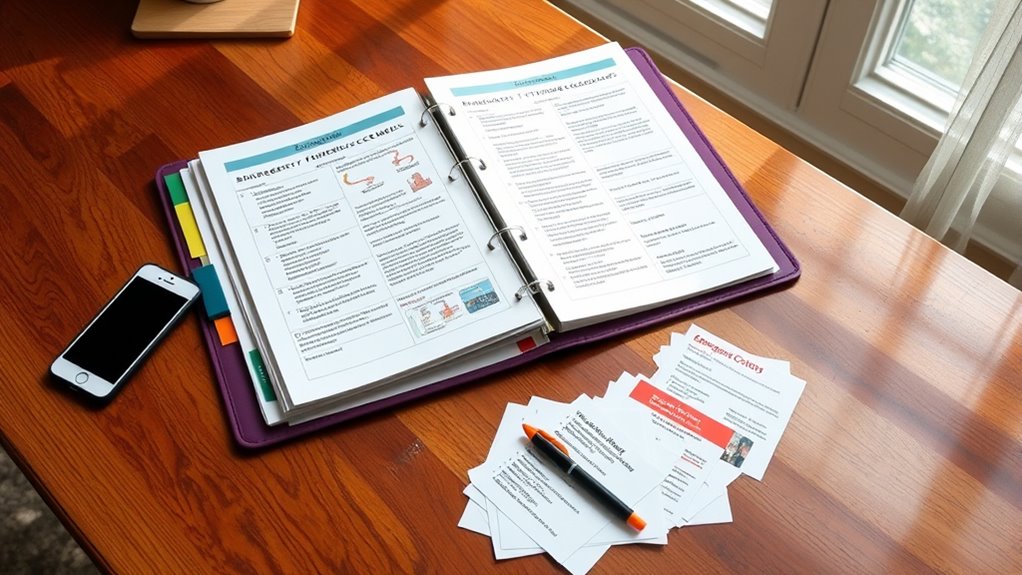
Are you prepared to handle emergencies effectively? Including clear emergency procedures and important instructions in your care binder guarantees you’re ready for any situation. Focus on essential aspects like first aid steps, emergency response protocols, and contact info. Here are three critical items to include:
- Step-by-step first aid procedures for common injuries
- Emergency response plans tailored to specific scenarios
- Contact information for local emergency services and healthcare providers
Having these details organized helps you act quickly and confidently during urgent moments. Make sure instructions are easy to understand and accessible at a glance. Clear guidelines can make all the difference in managing emergencies efficiently and ensuring safety for everyone involved.
Additional Resources and Support Contacts

Wondering where to turn for additional support when caring for a loved one? Your care binder should include a list of community resources, such as local support groups, senior centers, and healthcare providers. These contacts can offer practical assistance and emotional support. Also, include mental health support options, like therapists, counselors, or crisis hotlines, to ensure help is accessible when needed. Having these contacts readily available helps you quickly find guidance during challenging times. Make sure to note their phone numbers, addresses, and hours of operation. By organizing these resources, you create a valuable reference that supports both you and your loved one’s well-being, making it easier to navigate the caregiving journey confidently.
Frequently Asked Questions
How Often Should I Update My Care Binder?
You should update your care binder at least every six months, or whenever there’s a change in medications, emergency contacts, or healthcare providers. Regular updates ensure your digital backups and emergency contacts are current, which is vital during emergencies. Review your binder more frequently if there are health changes or new treatments. Staying proactive keeps your information accurate, helping you or caregivers respond quickly when needed.
Should I Include Copies of My ID and Insurance Cards?
Yes, you should include copies of your ID and insurance cards in your care binder. Make digital backups to keep them secure and accessible, but be mindful of privacy considerations. Store digital copies in a password-protected folder or a secure cloud service. This way, you’ll have quick access during emergencies while ensuring your personal information stays protected. Regularly update both physical and digital versions to keep everything current.
How Can I Organize the Binder for Easy Access?
You can organize your care binder easily by using color coding and section labeling. Assign different colors to categories like medical info, prescriptions, and emergency contacts for quick identification. Label each section clearly with tabs or headers so you can find what you need at a glance. Keep important documents at the front, and update the sections regularly to stay organized and guarantee everything is accessible when you need it most.
What Security Measures Are Recommended for Sensitive Information?
Think of your care binder as a treasure chest; you wouldn’t leave it unsecured, right? You should use password protection on digital copies and store physical documents in a locked, secure location. Avoid sharing sensitive info unnecessarily, and consider using fireproof safes for added security. These measures help keep your personal information safe, just like locking a treasure chest ensures your valuable items stay protected from prying eyes.
Is There a Suggested Format or Template for the Binder?
You should use digital templates or printable layouts to create an organized, easy-to-follow care binder. These formats often come with sections for medical info, emergency contacts, prescriptions, and appointments. You can customize them to fit your needs, making updates simple. Many online resources offer free or paid templates, so you don’t have to start from scratch. This approach guarantees your binder stays clear, structured, and accessible when you need it most.
Conclusion
By assembling a care binder, you’ll be ready for any situation, just like a trusty squire preparing for battle. Keep it up-to-date, and it’ll serve as your trusty sidekick through thick and thin. Remember, a well-organized binder is your secret weapon in providing the best care possible. So, don’t delay—start today and channel your inner medieval hero to guarantee your loved ones are always protected and cared for.