

Many scam emails targeting seniors use urgent language like “act now” or “immediate action required” to create pressure and make you respond quickly. They often send fake sender addresses that look official and include suspicious attachments or links. Spotting these signs in just seconds is essential; look for false warnings about your account or prize claims. If you want to recognize these scams faster and protect yourself, there’s more helpful information ahead.
Key Takeaways
- Look for urgent language like “Act now” or “Immediate action required” to spot scam emails quickly.
- Check for suspicious sender addresses with misspellings or unusual domains.
- Be wary of unexpected attachments or links, especially if they prompt quick clicks.
- Recognize common scam themes such as prize winnings, fake fines, or urgent family emergencies.
- Trust your instincts—if it feels off, verify directly with official sources before responding.
email scam detection tools
As an affiliate, we earn on qualifying purchases.
As an affiliate, we earn on qualifying purchases.
Recognizing Urgent Language and Pressure Tactics
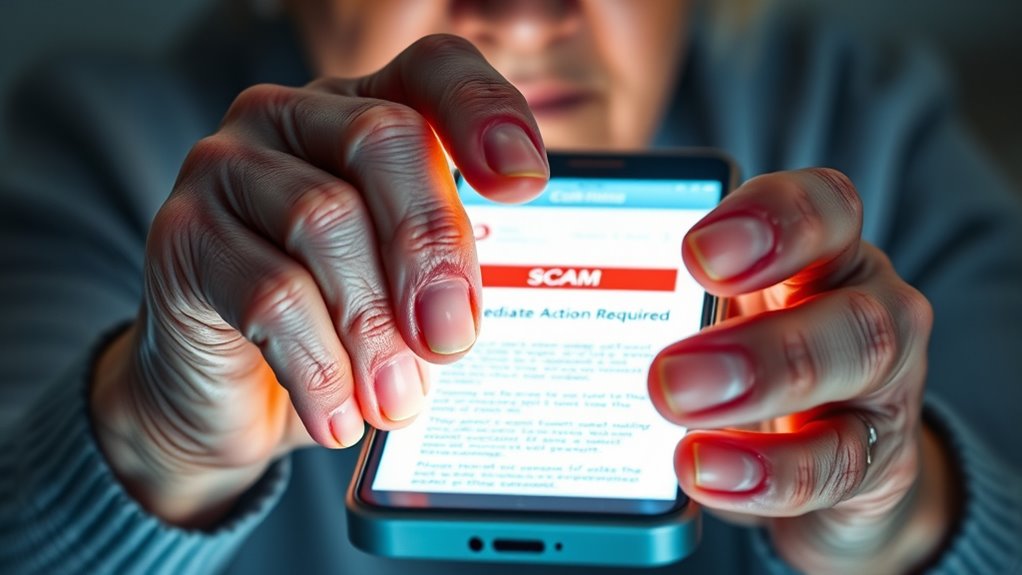
Many scam emails rely on urgent language and pressure tactics to make you act quickly without thinking. They use urgency tactics to create a sense of immediate danger or opportunity, prompting you to respond without scrutinizing the message carefully. Persuasive language often emphasizes that your account is at risk, or that you’ve won a prize, pushing you to click links or provide personal information. These tactics bypass your usual judgment by making you feel you have to act now or face negative consequences. Recognizing these signs helps you stay alert. Look out for phrases like “immediate action required,” “your account will be suspended,” or “act now to claim your prize.” Being aware of these persuasive language tricks can save you from falling for scams. Additionally, understanding cookie consent and privacy policies can help you recognize suspicious requests related to your personal data.
EZ Home and Office Address Book Software
Address book software for home and business (WINDOWS 11, 10, 8, 7, Vista, and XP. Not for Macs)….
As an affiliate, we earn on qualifying purchases.
As an affiliate, we earn on qualifying purchases.
Spotting Fake Sender Email Addresses
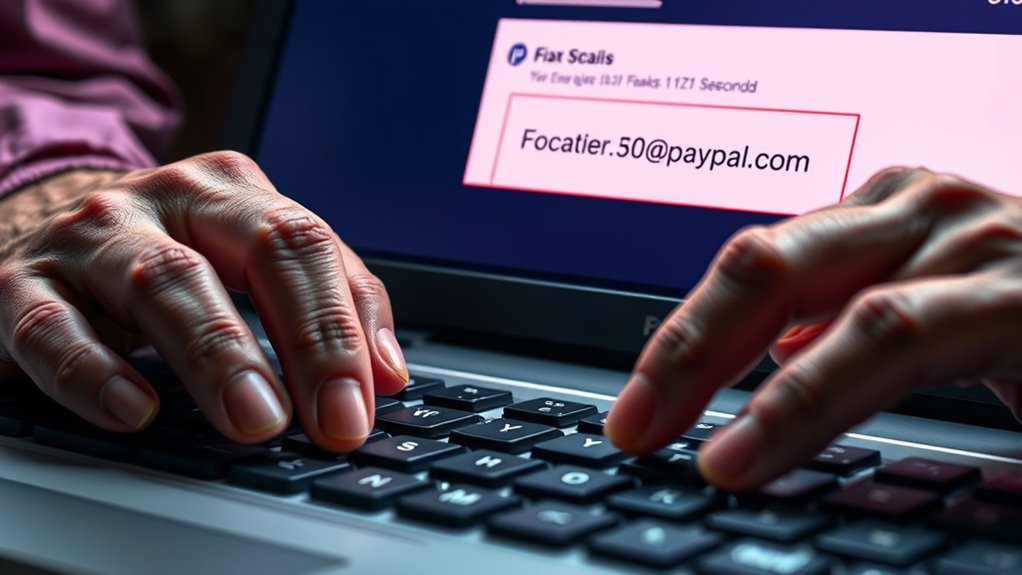
Scam emails often appear convincing at first glance, but one of the easiest ways to spot a fake is by examining the sender’s email address. Hackers use email spoofing to make their messages look legitimate, so always verify the sender’s address carefully. Check if the domain matches the official website; scammers often use similar but slightly altered addresses. Domain verification helps confirm if the email is genuine. Look out for suspicious patterns or misspellings in the sender’s address. Being aware of email spoofing techniques can help you recognize fraudulent messages more quickly.

SecuLife New 2026 Fall Alert Device, Medical Alert Pendant with for Seniors, SOS Call, GPS Tracking & Reminders – Wearable Emergency Necklace for Elderly, Waterproof, 2-Way Calling, Panic Button
❤️ 𝐌𝐞𝐝𝐢𝐜𝐚𝐥 𝐀𝐥𝐞𝐫𝐭 𝐏𝐞𝐧𝐝𝐚𝐧𝐭 𝐰𝐢𝐭𝐡 𝐅𝐚𝐥𝐥 𝐃𝐞𝐭𝐞𝐜𝐭𝐢𝐨𝐧: Designed for seniors and individuals with medical conditions, this wearable alert…
As an affiliate, we earn on qualifying purchases.
As an affiliate, we earn on qualifying purchases.
Identifying Suspicious Attachments and Links

How can you tell if an email’s attachments or links are suspicious? First, look out for unexpected or urgent messages that prompt you to click a link or open an attachment. Phishing emails often include fake login prompts that mimic legitimate websites, trying to steal your personal information. Hover over links before clicking—if the URL looks strange or doesn’t match the sender’s official website, don’t click it. Be wary of attachments with unfamiliar filenames or file types, especially if they seem out of place. Never open attachments or links from unknown senders or those that seem suspicious. Always verify the sender’s email address and avoid entering credentials through links in emails. Recognizing these signs helps protect you from scams and fake login attempts. Developing a keen attention to detail can significantly improve your ability to spot these deceptive tactics.

Autel Original OBD2 12+8 Adapter for Chrysler, OBD II Bypass Cable Gateway Protocol, Universal Security Bypass 12 8 Connector for FCA SGW Car, Work for All Scanner MK808 MX808 MX900 MS906 MS908
✅【2026 12+8 OBD2 Cable for Chrysler】This Autel 12+8 OBD Cable adapter for Chrysler is a good helper across…
As an affiliate, we earn on qualifying purchases.
As an affiliate, we earn on qualifying purchases.
Common Themes in Scam Emails Targeting Seniors

Seniors often receive scam emails that follow common patterns designed to deceive and manipulate them. These messages typically use emotional manipulation or promise quick financial gains to lure you in. Scammers play on fears, such as threatening legal action or claiming a loved one is in trouble, to create urgency. They also often pretend to be trusted organizations, like banks or government agencies. Here’s a quick look at typical themes:
| Theme | Tactics Used |
|---|---|
| Financial Scams | Claiming you’ve won money or need to pay fees |
| Emotional Manipulation | Faking emergencies involving family or health concerns |
| Authority Impersonation | Pretending to be officials or bank reps |
| Urgency & Fear | Pressuring you to act immediately without thinking |
Being aware of these scam tactics can help you recognize and avoid falling for these deceptive messages.
How to Verify a Legitimate Organization
To verify if an organization is legitimate, start by checking their official contact information on their website or trusted sources. Make sure the website’s URL looks correct and isn’t a suspicious or misspelled version. Confirming these details helps you avoid falling for scams that mimic real organizations.
Check Official Contact Info
Verifying a legitimate organization starts with checking their official contact information. Scammers often use phishing techniques to create fake emails that look authentic, so examining email headers is essential. Look closely at the sender’s email address; legitimate organizations typically use their official domain, not free or suspicious ones. Cross-check the contact details provided in the email with those listed on the company’s official website or previous correspondence. Be wary of any inconsistencies or slight misspellings. Phishing emails often include urgent language to prompt quick action. By verifying contact info and scrutinizing email headers, you can better identify scams and avoid falling for fake organizations that aim to steal your personal information. Additionally, understanding cookie types and how they are used can help you recognize signs of suspicious activity or malicious links embedded in emails.
Confirm Website Authenticity
How can you tell if a website is legitimate? Proper website verification is essential to avoid falling for scam email tactics. First, check the URL—look for misspellings or strange domain extensions, as scammers often mimic real sites. Second, examine the site’s security features: ensure there’s a padlock icon and HTTPS in the address bar. Third, verify the organization’s contact details by cross-referencing official sources or calling their official number. These steps help confirm the website’s authenticity and protect you from scams. Additionally, website verification is a crucial step to prevent falling victim to fraudulent sites. Remember, scammers often use fake websites to steal personal info. Being vigilant with website verification can save you from costly mistakes and keep your information safe. Always pause and verify before clicking or sharing sensitive data online.
Red Flags in Unsolicited Financial Requests
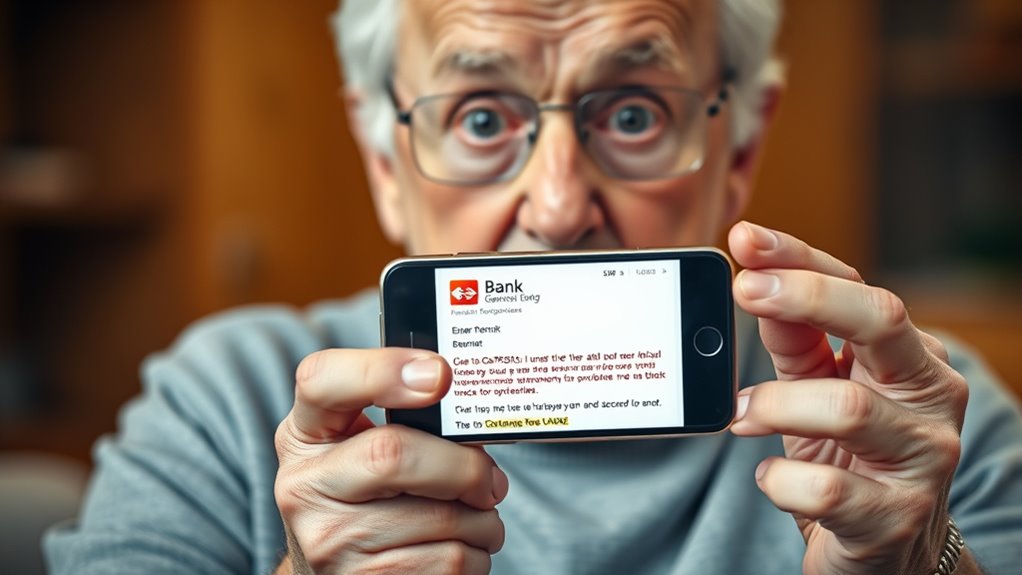
Unsolicited financial requests often contain red flags that can alert you to potential scams. Look closely at the email’s details. Scammers use phishing techniques to mimic legitimate institutions, but subtle clues reveal their true intent. For example, scam email examples often show urgent language or strange sender addresses. Beware of requests for personal info or money upfront. Here’s a quick visual:
| Suspicious Signs | Common Features in Scam Emails |
|---|---|
| Urgent demands or threats | Fake logos or official-sounding language |
| Unusual sender email addresses | Requests for confidential info suddenly |
| Unexpected payment requests | Vague or inconsistent details |
| Poor grammar or spelling | Links that lead to unfamiliar websites |
Stay vigilant. Recognize these red flags to protect yourself from falling for scams. Additionally, scrutinizing the sender’s email address can often reveal inconsistencies that indicate a scam.
Tips for Staying Calm and Thinking Critically
When you receive a suspicious email, taking a moment to stay calm can prevent hasty decisions that lead to scams. Practicing mindfulness techniques helps you stay centered, making it easier to analyze the message calmly. Managing stress effectively keeps your mind clear, so you don’t react impulsively. To stay critical, consider these steps:
- Pause and breathe deeply before responding.
- Verify the sender’s email address and look for inconsistencies.
- Question the urgency or pressure tactics used in the message.
- Recognize that understanding paint sprayer reviews and buying guides can help you identify legitimate communications from scams.
What to Do If You Suspect a Scam Email

If you suspect an email might be a scam, the best step is to avoid clicking on any links or opening attachments immediately. Scammers use phishing email tactics to trick you into revealing personal information or installing malware. Instead, take a moment to scrutinize the email carefully. Look for signs like urgent language, suspicious sender addresses, or unexpected requests. Understanding scammer psychology helps you recognize their strategies—like creating a sense of panic or authority. Trust your instincts; if something feels off, don’t engage. You can verify the email by contacting the organization directly using official contact information. Remember, scammers rely on quick reactions, so slowing down and double-checking is your best defense against falling victim to a scam. Being aware of common tactics, such as vetted security measures, can further protect you from these threats.
Resources for Reporting and Protecting Yourself
Knowing where to report scams helps you stop fraud in its tracks. Protecting your personal information is key to avoiding future attacks. Use trusted resources to report and stay safe online.
Reporting Scams Effectively
Reporting scams promptly is crucial to protect yourself and others from ongoing fraud. When you encounter phishing scams or suspect identity theft, quick action can stop scammers in their tracks. Here’s how to report effectively:
- Contact the Federal Trade Commission (FTC) through their website or phone.
- Notify your bank or financial institutions immediately if accounts are compromised.
- Forward scam emails to authorities like the FTC or your local consumer protection agency.
- Understanding the importance of home theatre projectors can help you identify and avoid related scams or misinformation about technology products.
Protecting Personal Information
Protecting your personal information is a pivotal step in preventing scams and identity theft. You should focus on password safeguarding by creating strong, unique passwords and changing them regularly. Be mindful of your social media privacy; limit who can see your posts and personal details to reduce your risk. If you encounter suspicious activity, report it immediately to authorities or your social media platform. Remember, safeguarding your information involves a combination of secure passwords, controlling social media privacy settings, and staying alert. Utilizing vertical storage solutions can also help keep sensitive documents organized and protected. Use this table as a quick guide:
| Action | What to Do | Why It Matters |
|---|---|---|
| Create strong passwords | Use a mix of letters, numbers, and symbols | Prevent unauthorized access |
| Adjust privacy settings | Limit who can view your posts and info | Protect personal details |
| Report scams | Contact authorities or social media platforms | Stop scammers in their tracks |
Frequently Asked Questions
How Do Scammers Often Personalize Their Emails to Target Seniors?
Scammers often personalize their emails to target seniors by using personalization tactics like addressing them by name or referencing their interests. They also exploit emotional triggers, such as fear, urgency, or sympathy, to make you act quickly without thinking. By mimicking familiar names or institutions, they create a false sense of trust, making it easier to deceive you into revealing personal information or clicking malicious links.
What Common Mistakes Do Seniors Make That Scammers Exploit?
You often fall for phishing tactics because you might not recognize scam signs quickly. Scammers exploit common mistakes like trusting strangers, clicking links without checking the sender, or sharing personal info too easily. To improve scam recognition, stay cautious about urgent messages asking for sensitive details and verify sources before responding. Being aware of these pitfalls helps you spot scams faster and avoid falling victim to fraud.
Are There Specific Times When Scam Emails Are More Frequent?
You should be aware that scam emails tend to spike during certain timing patterns, like late at night or weekends, when scammers think you’re less alert. During these times, scam frequency increases, making you more vulnerable. Always stay cautious, especially during these high-risk periods, and avoid clicking links or sharing personal info. Recognizing these timing patterns can help you stay one step ahead and protect yourself from scams.
How Can I Set up Email Filters to Block Scam Messages Automatically?
You can set up email filtering to block scam messages automatically by enabling spam detection features in your email settings. Most email providers let you create custom filters that automatically move suspected scam emails to your spam folder. Use keywords like “urgent,” “limited offer,” or “verify your account” to refine your filters. Regularly update your spam detection settings to catch new scam tactics and keep your inbox safe.
What Legal Actions Are Available if I Fall Victim to a Scam?
If you fall victim to a scam, you can pursue legal remedies like reporting the incident to authorities such as the FTC or local law enforcement. Follow proper reporting procedures to document the scam, which helps track down scammers and protect others. You might also consider consulting a lawyer to explore civil actions or recovery options. Acting quickly increases your chances of stopping further losses and aiding law enforcement efforts.
Conclusion
Remember, spotting scam emails is like catching a tricky fish—you need sharp eyes and quick thinking. Trust your instincts, verify requests, and stay calm before clicking. If something feels off, don’t let it reel you in. Protect yourself by staying informed and using trusted sources. By staying vigilant, you can steer clear of these digital sharks and keep your financial sea safe. Always stay alert—your safety depends on it.