
To reduce reaching, stooping, and twisting at home, keep items within easy reach by organizing your space thoughtfully. Use ergonomic tools and furniture to minimize awkward positions, and always lift with your legs instead of your back. Move your whole body when turning rather than twisting, and avoid bending too much by placing frequently used items at chest or waist level. Keep practicing these habits to protect your body—there’s more helpful tips ahead to make home activities safer.
Key Takeaways
- Arrange frequently used items within easy reach to minimize unnecessary reaching and stretching.
- Use ergonomic tools and adjustable furniture to maintain proper posture during daily tasks.
- Keep work surfaces at waist level and access high shelves with step stools to reduce stooping and bending.
- Move your entire body when turning or twisting, avoiding torso twists while carrying objects.
- Take regular breaks, stretch, and shift positions to prevent fatigue and reduce strain during activities.

HBTower Step Ladder, Folding Step Stool with Wide Anti-Slip Pedal, Sturdy Steel Ladder, Convenient Handrail, Lightweight, Portable Steel Step Stool
【New Lock-Free Design】: HBTower 2-step ladder with a support rod design.The tight connection between the bracket and the…
As an affiliate, we earn on qualifying purchases.
As an affiliate, we earn on qualifying purchases.
Why Poor Posture Causes Discomfort During Household Tasks

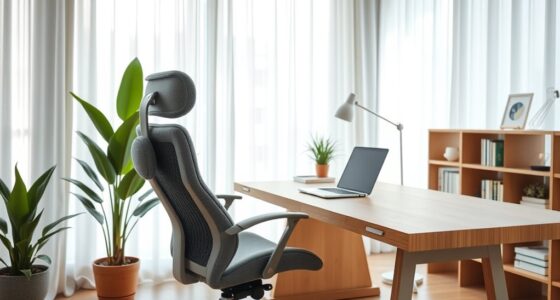
Poor posture during household tasks puts unnecessary strain on your muscles and joints, leading to discomfort and even pain. When you’re unaware of your posture, you often bend, reach, or twist in ways that put extra pressure on your back, neck, and shoulders. Developing posture awareness helps you recognize harmful habits and adjust your movements. Using ergonomic tools, like adjustable chairs or supportive cushions, can make a big difference. These tools help you maintain proper alignment, reducing strain during activities like cleaning or cooking. When you pay attention to how you position your body, you prevent muscle fatigue and joint stress. Incorporating proper lifting techniques can also prevent injuries and improve your overall posture during household tasks. Small changes in how you hold and move your body during household tasks can considerably decrease discomfort and promote better overall posture. Being mindful of ergonomic principles can further enhance your comfort and prevent repetitive strain. Additionally, designing your space with home ergonomics in mind can help minimize unnecessary reaching and twisting, making daily tasks more comfortable. Paying attention to body mechanics and adjusting your environment accordingly can further reduce the risk of injury and promote better posture during household activities. Incorporating ergonomic tools into your daily routine can also provide extra support and help maintain healthy posture habits.

Marsail Ergonomic Office Chair: Office Desk Chair with High Back Mesh and Adjustable Lumbar Support Rolling Work Swivel Task Chairs with Wheel 3D Armrests and Headrest
Fully Adjustable Office Chair: Customized chairs, featuring with an adjustable 2D headrest, backrest with 90° to 120° recline,…
As an affiliate, we earn on qualifying purchases.
As an affiliate, we earn on qualifying purchases.
How to Spot Reaching, Bending, and Twisting Risks at Home
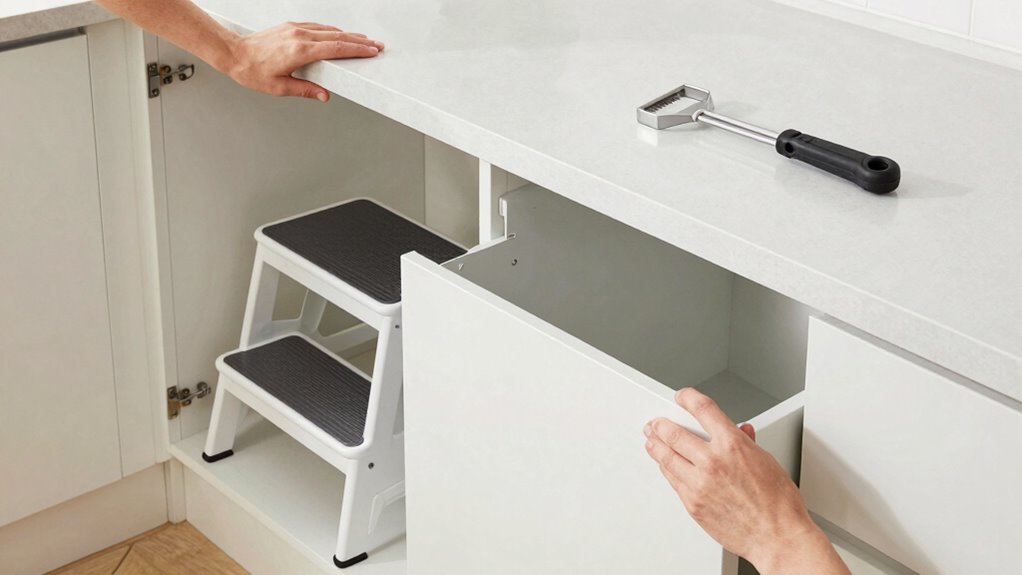
How can you identify risky movements like reaching, bending, and twisting in your daily routines? Watch for signs of muscle fatigue or joint strain during tasks. If you notice your muscles feeling tired or sore after reaching overhead or bending forward, that’s a red flag. Reaching too far without proper support can cause strain on your joints, increasing injury risk. Similarly, twisting your torso forcefully or repeatedly can lead to joint discomfort and muscle fatigue. Pay attention to your body’s signals—persistent pain or tightness indicates you’re pushing your limits. Recognizing these risky movements early helps you avoid overexertion and injury, allowing you to adjust your approach and prevent long-term discomfort. Incorporating proper projector placement techniques can also help reduce awkward positions that contribute to strain.
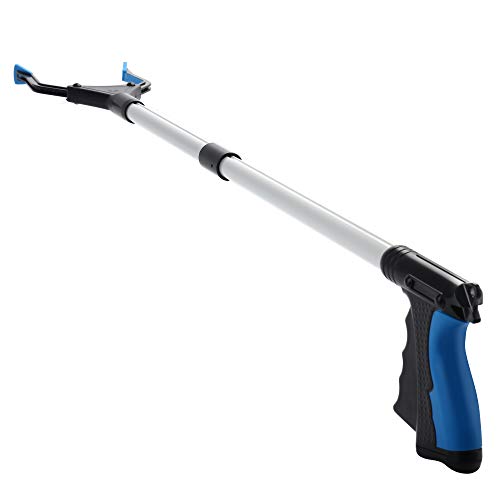
Grabber Reacher Tool, 32" Grabbers for Elderly, Lightweight Extra Long Handy Trash Claw Grabber, Mobility Aid Reaching Assist Tool for Trash Pick Up, Nabber, Litter Picker, Arm Extension (Blue)
EASY GRABBING: Reacher grabber to pick up items with easy, picks up coins, envelops, trash etc, easily pull…
As an affiliate, we earn on qualifying purchases.
As an affiliate, we earn on qualifying purchases.
Practical Tips to Reduce Strain While Doing Tasks
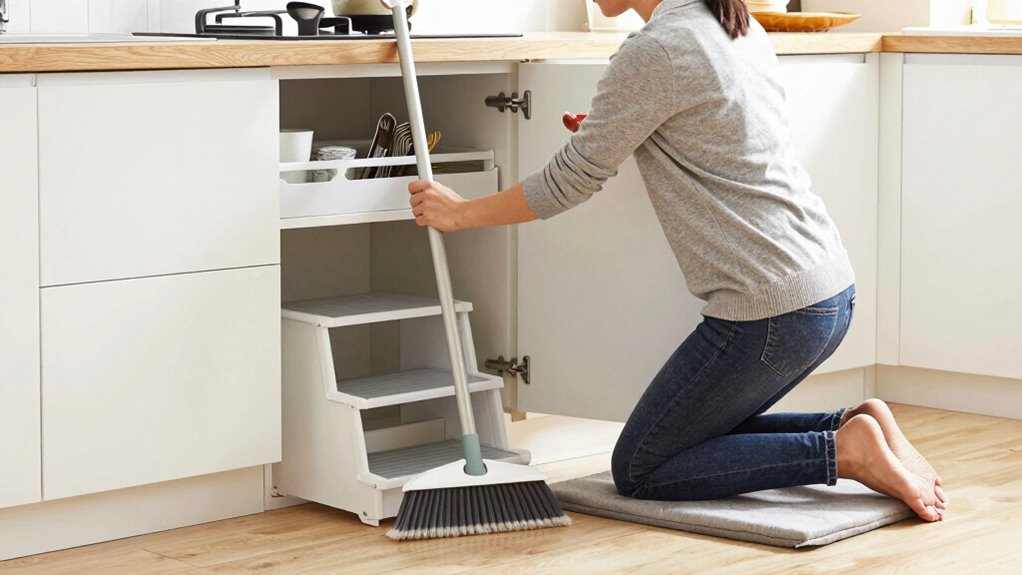
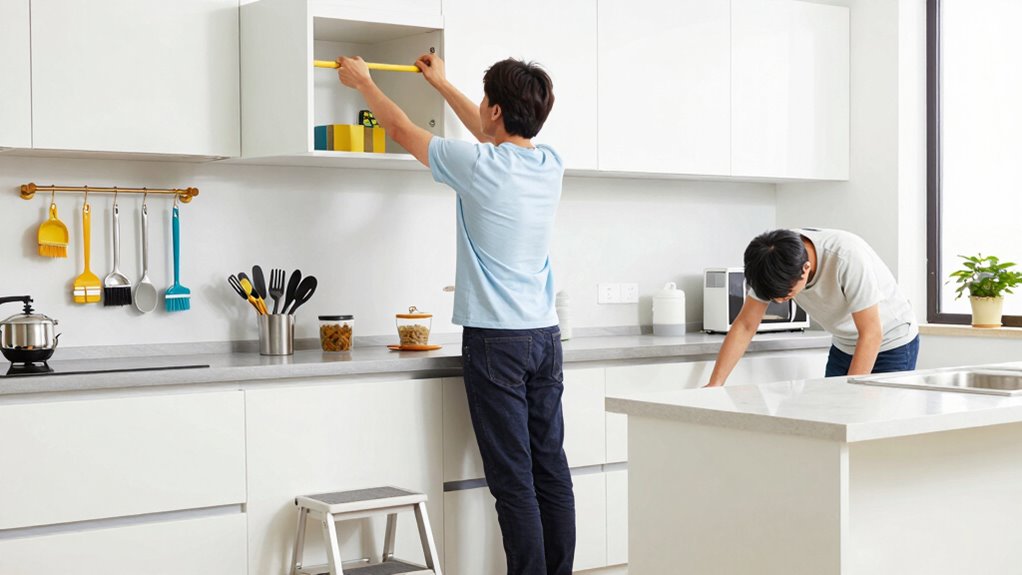
To minimize strain during daily activities, it’s important to use proper body mechanics and tools that support your movements. Ergonomic tools can make tasks easier and reduce unnecessary effort, such as using a long-handled grabber or ergonomic kitchen utensils. Making task modifications also helps; for example, adjusting shelves to a comfortable height or using step stools prevents reaching or stooping. When lifting or bending, keep objects close to your body and bend at your hips and knees instead of your back. Taking breaks frequently and switching tasks can help prevent fatigue and repetitive strain. Remember, small adjustments in how you approach chores can considerably decrease the risk of discomfort and injury. Prioritize ergonomics and task modifications to maintain comfort and protect your body during daily routines. Incorporating Ergonomic tools into your routine can further enhance safety and efficiency, and planning your space with storage systems can help keep frequently used items within easy reach. Additionally, being aware of proper body mechanics can significantly reduce your risk of strain during household tasks. Paying attention to home water system efficiency can also help reduce the need for strenuous maintenance tasks that might cause injury. Regularly consulting DIY safety tips can help you identify additional ways to protect yourself while completing home projects.

Lexeme X Large Memory Foam Seat Cushion Lumbar Support Pillow for Sciatica & Tailbone Pressure Relief Coccyx Pad for Office Chair, Car,Wheelchair,Home,Office
【Unique design and Extra Large size】 Our product has two advantages Unique design and Extra Large size ,unique…
As an affiliate, we earn on qualifying purchases.
As an affiliate, we earn on qualifying purchases.
Habits That Protect Your Body During Daily Activities
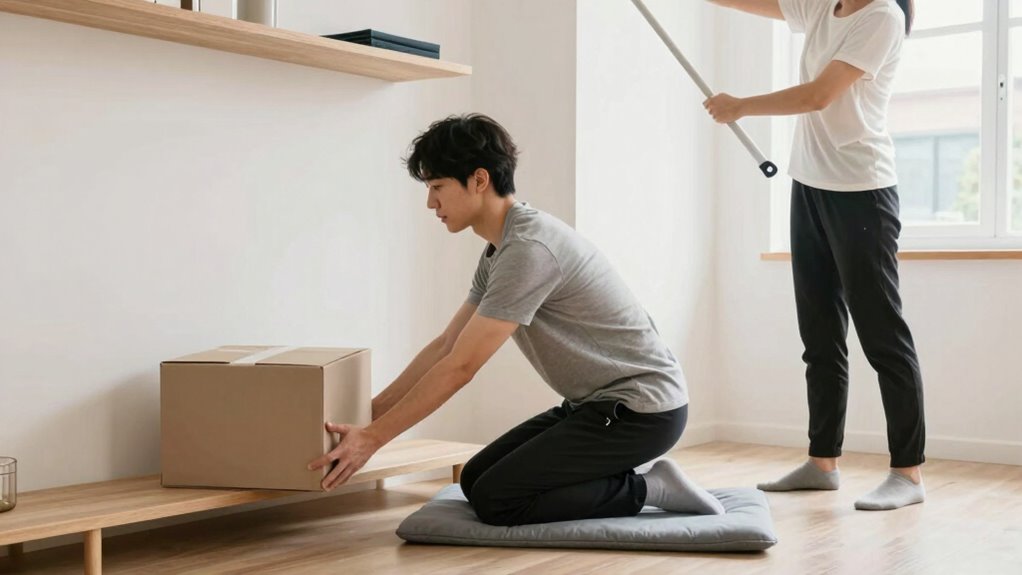
Establishing healthy habits during daily activities can considerably protect your body from strain and injury. Use ergonomic accessories, like supportive chairs or cushioned mats, to reduce unnecessary stress on your joints and muscles. Practice posture awareness by keeping your back straight and shoulders relaxed, especially when lifting or reaching. Break up tasks into smaller steps to avoid prolonged reaching or twisting. When possible, keep frequently used items within easy reach to minimize bending or stooping. Regularly shifting positions helps prevent stiffness and muscle fatigue. Developing these habits encourages mindful movement and reduces the risk of strain. Additionally, incorporating sustainable textile care practices, such as using eco-friendly cleaning methods for fabrics, can contribute to overall health and environmental well-being. Using ergonomic accessories like cushioned mats and supportive chairs can further enhance comfort and reduce strain during daily tasks. Being aware of natural pool design principles, such as landscaping and native plants, can also promote a healthier outdoor environment while minimizing maintenance efforts. By consistently applying ergonomic accessories and maintaining good posture awareness, you support your body’s long-term health during everyday activities. Incorporating accessible device features like Guided Access can also help children stay focused and reduce unnecessary movements that might lead to strain. Regularly practicing mindful movement can further help prevent injuries and promote better body mechanics.
Designing Your Home for Ergonomic Comfort and Safety
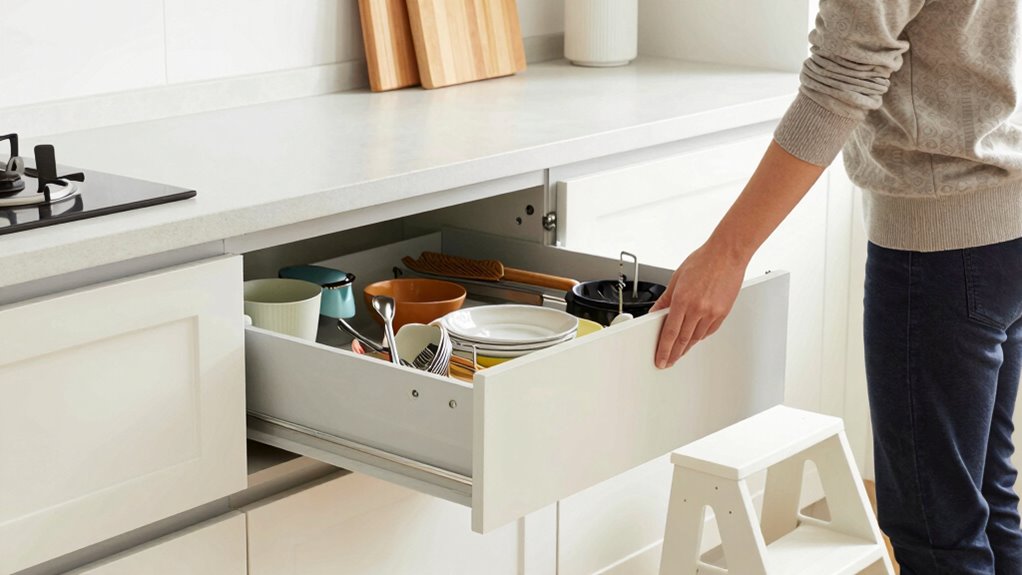
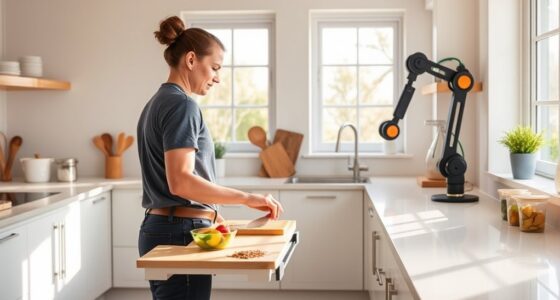
Creating an ergonomic home environment starts with thoughtful layout and design choices that promote comfort and safety. Choose ergonomic furniture that supports proper posture, like adjustable chairs and desks, to reduce strain. Keep frequently used items within easy reach to minimize reaching and twisting. Use assistive devices such as grab bars, step stools, or reachers to assist with tasks and prevent awkward movements. Arrange your space to avoid clutter, ensuring clear pathways and accessible storage. Proper lighting reduces the risk of accidents and eye strain. Consider ergonomic principles when designing work areas, reading nooks, or kitchen spaces. Additionally, incorporating anti-fatigue mats can help reduce fatigue and improve comfort during prolonged standing. Being mindful of injury prevention strategies, such as proper posture and ergonomic tools, further enhances safety. By prioritizing ergonomic furniture and assistive devices, you create a safer, more comfortable environment that minimizes physical stress during daily activities. Paying attention to ergonomic design also supports overall home safety, making daily tasks easier and reducing the risk of injuries. Proper layout planning based on ergonomic principles can further enhance safety and efficiency in your home.
Frequently Asked Questions
What Are Some Common Signs of Strain From Household Activities?
You might notice strain symptoms like persistent muscle soreness, stiffness, or joint pain after household activities. These signs often indicate poor ergonomic posture during tasks, leading to unnecessary strain. If you feel fatigue or tingling in your limbs, it’s a clear sign you need to adjust your movements. Recognizing these common signs of strain helps you take steps to improve your posture, reduce discomfort, and prevent long-term injuries at home.
How Can I Modify My Furniture for Better Ergonomics?
Think of your furniture as the stage for your daily performance—adjusting it can turn strain into comfort. You can tweak chair heights, add ergonomic accessories like lumbar supports, or elevate your work surface. These small changes make a big difference, guiding your body into a natural, pain-free posture. By customizing your space, you’re setting the scene for a healthier, more comfortable home environment.
Are There Specific Exercises to Strengthen Muscles for Safer Movement?
You can do specific exercises to strengthen muscles for safer movement, focusing on core strengthening and flexibility exercises. Incorporate activities like planks, bridges, and gentle yoga stretches to build core stability and improve flexibility. These exercises help support your back, reduce strain during daily tasks, and make reaching, stooping, and twisting safer. Consistently practicing these will enhance your strength, flexibility, and overall movement safety at home.
How Often Should I Take Breaks During Household Chores?
Think of your chores as a marathon, not a sprint. You should take a rest break every 20-30 minutes to keep your energy steady and prevent strain. Use these moments to stretch and reset your posture, fostering better ergonomic habits. Rest breaks help you avoid overexertion and injuries, making your household tasks safer and more manageable. Remember, pacing yourself is key to staying healthy while completing chores efficiently.
Can Ergonomic Tools Really Prevent Injuries at Home?
Yes, ergonomic tools can really prevent injuries at home. Their benefits include reducing strain on your muscles and joints, which helps you avoid common issues like back pain or sprains. By using ergonomic equipment, you support proper posture and minimize unnecessary reaching, stooping, or twisting. This proactive approach promotes home injury prevention, making chores safer and more comfortable. Investing in ergonomic tools is a smart move for your safety and long-term well-being.
Conclusion
By making small adjustments and staying mindful of your posture, you can turn your home into a sanctuary of comfort and safety. Remember, every time you avoid reaching, bending, or twisting the wrong way, you’re shielding your body like a superhero guarding a precious treasure. With consistent habits and smart design choices, you’ll prevent pain from taking over your life—transforming everyday chores from potential pain traps into opportunities for effortless, safe movement.