TL;DR
Sixty and Me published a first-person essay about the emotional toll of being “the strong one,” drawing on its author’s experiences of family loss, caregiving, aging and health challenges. The article is personal reflection, not a study or clinical finding; it describes therapy, meditation and setting boundaries as part of the author’s own experience.
Sixty and Me has published a first-person essay about the emotional cost of being “the strong one,” as its author reflects on decades of managing family responsibilities, loss, work and health challenges. The piece argues that persistent capability can sometimes come at the expense of a person’s own needs, but it presents that idea as personal reflection, not as a research finding or clinical diagnosis.

Turn quiet afternoons into listening time
- Thousands of audiobooks, podcasts and originals
- Listen on your phone, tablet or Echo — also offline
- Cancel anytime
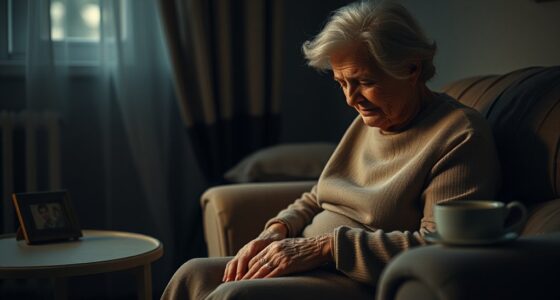
The writer describes a kind of exhaustion that she says is different from tiredness caused by limited sleep or a busy schedule. She connects it to years of being available to others: making plans, responding to crises, managing relationships and trying to remain composed. In her account, being dependable became closely tied to how she understood strength and doing life well.
The essay traces that pattern through significant events in the author’s life. Her father died while her mother was pregnant with her, and her mother was diagnosed with breast cancer when the author was nine. She later married, worked in music and television, raised two children, divorced and remarried. Approaching her 60s, she describes the pandemic, a decline in work, her children’s growing independence, broken bones and autoimmune disruptions as part of a period of change and sadness.
The author says she initially tried to deal with that heaviness by organizing and compartmentalizing it. She eventually came to view her experience as more than being overbooked, and sought support through therapy, meditation, reading and walks. The essay does not report a formal diagnosis or claim that the same explanation applies to everyone who feels exhausted.
When Dependability Becomes Self-Neglect
The essay gives readers language for a form of strain that may not appear as a crowded calendar: the accumulation of emotional responsibilities and postponed personal needs. Its distinction between ordinary busyness and a “crowded inner life” is the author’s framing, rather than a tested clinical category.
That framing may resonate with people who have built an identity around caregiving or being reliable, particularly during later-life changes described in the piece. The author’s central point is not that strength is harmful, but that it can become restrictive if a person feels unable to rest, refuse requests or ask for help. The practical questions she raises—what responsibilities are genuine obligations, and which are being carried out of habit or identity—invite reflection without prescribing a single answer.
Products Worth Considering

Oral-B iO3 Rechargeable Electric Toothbrush with 3 Cleaning Modes, Pressure Sensor, 2 Brush Heads and Travel Case, White

Withings Body Smart Wi-Fi and Bluetooth Body Composition Scale

Levoit Vital 100S-P Air Purifier with Washable Pre-Filter
As an affiliate, we earn on qualifying purchases.
A Life Shaped by Loss and Change
The writer connects her tendency to keep moving forward to instability she experienced early in life. Her father’s death before her birth and her mother’s illness formed part of the family circumstances in which she grew up. She describes becoming practiced at functioning through uncertainty, then carrying that approach into adulthood, parenting and work.
Later, several changes arrived together: the COVID-19 pandemic, reduced work, adult children leaving home and physical limitations. The essay says these developments coincided with sadness that the author could not tie to one event. It does not provide dates, medical records or additional sources, and its account should be read as an individual narrative rather than a broader report on women or aging.
What the Essay Cannot Establish
The source is a first-person essay, not a study. It does not establish how common this experience is, whether “being the strong one” causes emotional exhaustion, or whether the author’s account applies to other people. It also does not specify when the essay was published in the supplied material.
The writer mentions broken bones, autoimmune disruptions and therapy but gives no medical details or diagnosis. The relationship between those health experiences and her sadness is not established in the article. Readers experiencing persistent distress or health concerns should not treat the essay as medical guidance; decisions about care are best discussed with a qualified professional.
The Conversation the Author Invites
The essay closes by asking readers to reflect on whether they have confused being needed with being loved, which responsibilities they carry because of identity rather than obligation, and where they may be pretending to be fine. It does not announce a follow-up report, study or policy change.
For the author, the next steps described are ongoing personal practices, including therapy, meditation and making room to say no or rest. Whether those choices lead to further writing or discussion is not stated in the supplied source.
Key Questions
What is the Sixty and Me article about?
It is a first-person reflection on the emotional exhaustion the author associates with years of being dependable and putting other people’s needs first.
Is the essay based on a scientific study?
No. The supplied source is a personal essay. It does not present research data or establish that its interpretation applies broadly.
What experiences does the author describe?
She recounts early family loss, her mother’s illness, raising children, changes in work and later-life health challenges. She says she turned to therapy, meditation, reading and walks as she reflected on her feelings.
What does the author mean by being “the strong one”?
She describes a role built around managing crises, staying composed and being available to others. Her concern is that maintaining that role indefinitely can leave little room for her own needs.
Does the article offer medical advice?
No. It shares the author’s experience and does not provide a diagnosis or treatment guidance. People with ongoing emotional or physical concerns should consult a qualified professional.
Source: sixtyandme.com