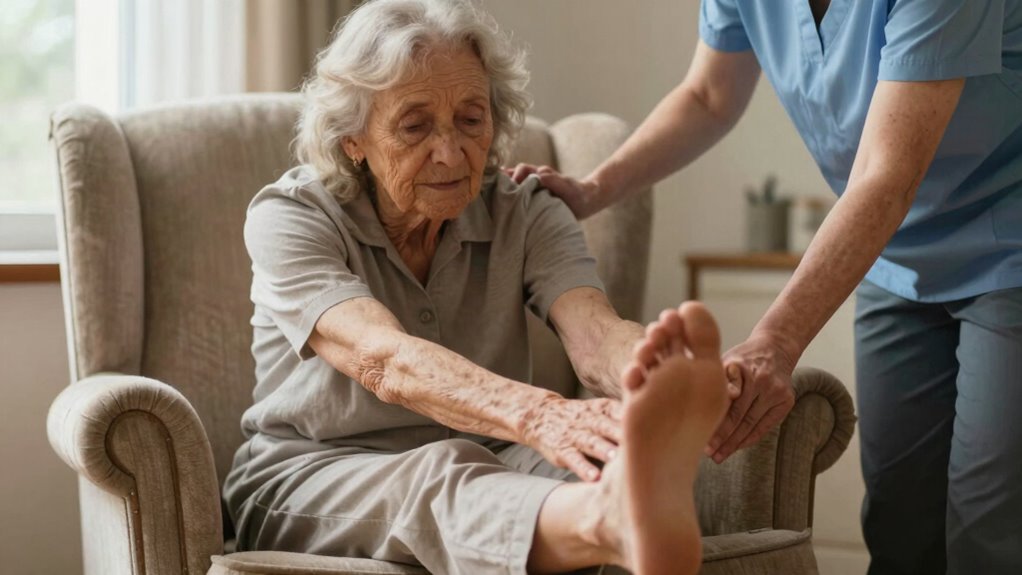
To reduce fear after a fall scare, start with gentle, controlled exercises and use assistive devices to build confidence safely. Focus on creating a supportive environment by removing hazards and making necessary home modifications. Set realistic, small goals to track your progress and celebrate achievements. Practice mindfulness and relaxation techniques to ease anxiety. With patience and consistent effort, you can recondition your mind to view movement as safe—continue exploring ways to regain your mobility and independence.

Turn quiet afternoons into listening time
- Thousands of audiobooks, podcasts and originals
- Listen on your phone, tablet or Echo — also offline
- Cancel anytime
Key Takeaways
- Address emotional responses and build resilience through counseling, mindfulness, and gradual exposure to movement.
- Create a safe environment with assistive devices and home modifications to reduce fall risk.
- Start with gentle, controlled exercises to rebuild confidence and improve flexibility safely.
- Set realistic goals, track progress, and celebrate small achievements to motivate ongoing movement.
- Seek professional support and community resources to develop coping strategies and maintain motivation.
Products Worth Considering

Levoit Vital 100 Air Purifier

Philips Sonicare 5950 Rechargeable Electric Toothbrush with 2 Brush Heads, Pink

Therabody Theragun Relief Massage Gun, 3-Speed, Navy
As an affiliate, we earn on qualifying purchases.
How Can a Fall Scare Lead to Fear of Movement?

After experiencing a fall, it’s common to develop a fear of moving again, even if you’re physically uninjured. This reaction often results from fear conditioning, where your brain associates movement with the pain or instability of the fall. Over time, this learned fear can trigger avoidance behaviors, making you hesitant or anxious about moving. Your emotional resilience plays a vital role here; if you struggle to cope with these feelings, the fear can intensify. Without addressing this emotional response, your fear of movement may grow, limiting your activity and slowing your recovery. Building emotional resilience helps you challenge these fears, gradually reconditioning your mind to see movement as safe. Recognizing this connection is the first step toward overcoming the fear and regaining confidence. Incorporating safe and supportive environments, such as a backyard transformation, can also aid in creating a sense of security during recovery. Understanding the importance of evidence-based insights can further empower you to approach your recovery with confidence and clarity. Additionally, understanding how drone bees and hive health relate to natural resilience may offer surprising parallels in recovery strategies, highlighting the significance of psychological robustness in overcoming fears. Cultivating a sense of environmental safety can further support your emotional recovery and reduce anxiety around movement.
Signs That You’re Experiencing Kinesiophobia

Recognizing the signs that you’re experiencing kinesiophobia, or the fear of movement, can help you understand what’s happening beneath the surface. You might notice fear triggers that make you hesitant to move, like thinking about falling again or feeling unsteady. Anxiety signs often show up as increased heart rate, sweating, or a sense of dread when you consider physical activity. You may avoid certain movements altogether or feel overwhelming worry even at the thought of walking or stretching. These reactions aren’t just in your mind—they’re your body’s way of signaling fear. By paying attention to these signs, you can better address your fear and work toward overcoming it. Recognizing them is the first step to regaining confidence and mobility.
Start Small: Gentle Exercises to Rebuild Confidence

Starting with gentle exercises is essential when rebuilding your confidence after a fall scare. These activities help you regain trust in your body without overwhelming yourself. Focus on mindful stretching to stay present and aware of your movements, which can reduce anxiety. Incorporate calming techniques, such as slow breathing, to stay relaxed during exercises. Using lightweight foundations and tinted moisturizers can also help you feel more comfortable and natural during your recovery process. Additionally, understanding celebrity beauty tips can boost your mood and motivate you to stay consistent with your self-care routine. Engaging in positive reinforcement during your practice can further encourage progress and build trust in your movement. Remember, mobility exercises tailored for seniors can enhance your overall confidence and help prevent future falls. Incorporating safe and effective gear can also support your exercises and make you feel more secure as you progress.
Here are some simple steps to get started:
- Perform gentle, controlled stretches to improve flexibility and reduce tension
- Practice mindful stretching, paying attention to how your body feels with each movement
- Use calming techniques like deep breathing before and after exercises to promote relaxation
These small, mindful efforts can help you gradually rebuild confidence and reduce fear of movement.
Set Realistic Goals to Regain Your Mobility

Setting realistic goals is essential for safely regaining your mobility and building confidence. Focus on setting achievable targets that match your current strength and comfort level. Break larger goals into smaller, manageable steps to avoid feeling overwhelmed. Using visual cues, like marking a safe distance on the floor or placing familiar objects nearby, helps you track progress and stay motivated. Be patient and adjust your goals as you improve, celebrating each milestone. Remember, progress may be slow, but consistent effort builds confidence over time. Avoid pushing yourself too hard too soon, which can increase fear. By setting practical, clear goals, you create a safe path toward regaining your independence and reducing anxiety about movement. Incorporating calibration techniques can also help ensure you’re progressing at a comfortable pace, especially when combined with safe movement practices. Additionally, understanding emerging trends in digital publishing can provide innovative tools and resources to support your rehabilitation journey.
Safe Strategies for Balance and Strength Training
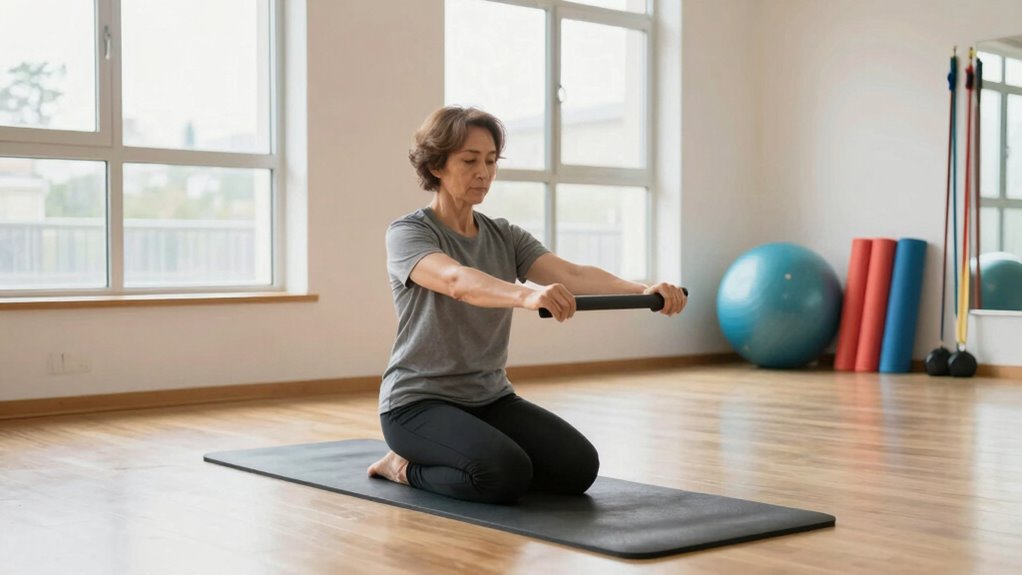
Starting your balance and strength training with gentle warm-up routines can help prevent injury and build confidence. Using supportive equipment, like sturdy chairs or handrails, provides extra stability as you exercise. These strategies create a safe environment for regaining strength without increasing your fear or risk. Incorporating secure storage options, similar to safe storage practices, can also help you feel more confident about your progress and safety during recovery. Additionally, understanding fall prevention techniques can further support your efforts to stay safe and independent. Maintaining awareness of lipstick color perception and decor choices can also subtly boost your mood and confidence during your recovery process. Incorporating eco-friendly garden safety tips, such as removing tripping hazards and maintaining well-kept outdoor spaces, can further reduce your risk of falls during outdoor activities. Paying attention to indoor air quality can also create a healthier environment that encourages more comfortable and confident movement.
Gentle Warm-Up Routines
Have you ever wondered how to ease into balance and strength exercises safely? Starting with gentle warm-up routines helps build confidence and reduces fear. Begin with relaxation techniques to calm your mind, like slow breathing exercises that center your focus. Incorporate light movements, such as shoulder rolls or ankle circles, to gently activate muscles without overexertion. These routines prepare your body gradually, lowering the risk of injury and easing anxiety. Consistently practicing relaxation techniques and mindful breathing can help you feel more in control. Always listen to your body, stopping if anything feels uncomfortable. A slow, deliberate warm-up creates a safe foundation, making subsequent exercises feel more manageable and less intimidating.
Use of Supportive Equipment
Using supportive equipment can considerably enhance your safety during balance and strength exercises. Supportive braces provide stability to weak or vulnerable joints, helping prevent falls and reducing anxiety. Assistive devices like canes, walkers, or grab bars offer extra support and confidence as you move. These tools help you maintain proper posture and balance, making exercises safer and more effective. Always choose equipment suited to your specific needs and make sure it’s properly fitted. Incorporating supportive braces and assistive devices into your routine allows you to focus on building strength without fear. Remember, using the right equipment isn’t a sign of weakness but a smart step toward safer, more confident movement. This approach encourages consistent practice and gradual progress.
How Mindfulness Can Help Reduce Movement Anxiety
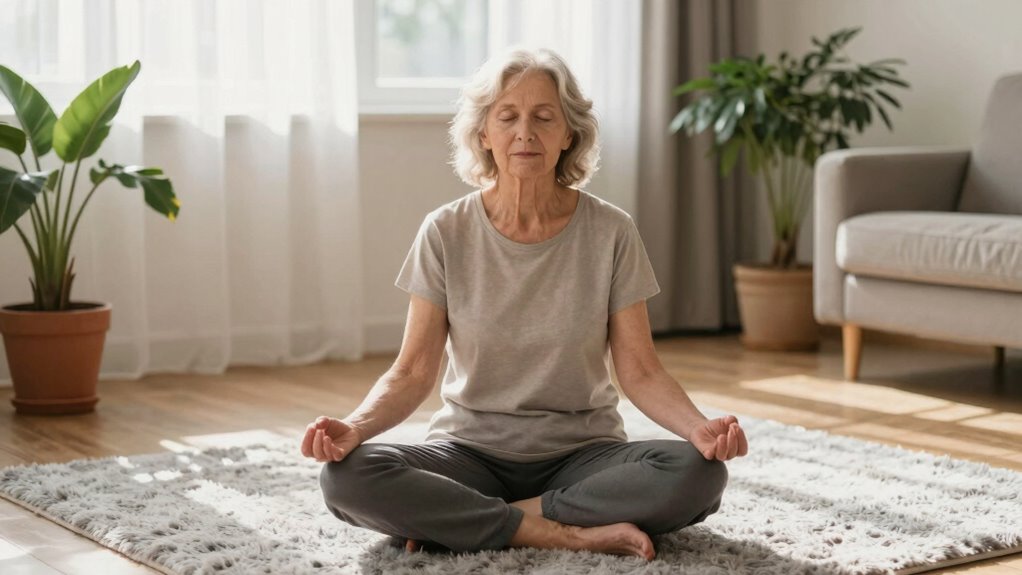
When fear of movement takes hold after a fall scare, practicing mindfulness can be a powerful way to ease that anxiety. Mindfulness meditation helps you stay present, reducing worries about future falls. Focusing on your breath with breathing exercises calms your nervous system and lowers stress. Incorporating these practices into your routine can gradually rebuild confidence in your movements. Paying attention to your home environment and making simple adjustments can also promote a sense of safety and control. Additionally, understanding sauna safety tips can help you create a relaxing space that supports your recovery and well-being. Being aware of product safety features, like those found in motorized curtain rods or floor safes, can further enhance your sense of security at home. Recognizing the importance of safe home modifications can also contribute to reducing movement-related fears and fostering independence. Incorporating movement safety awareness into your daily routine can strengthen your confidence and support your overall recovery process.
Where to Find Support and Professional Help

As you work through managing your fear of movement, connecting with the right support network can make a significant difference. Community support groups offer a safe space to share experiences and gain encouragement from others facing similar challenges. Local senior centers, therapy groups, or online forums can provide this sense of connection. Additionally, professional counseling can help you address underlying anxiety and develop coping strategies. A mental health professional can guide you through techniques to rebuild confidence and manage fear effectively. Don’t hesitate to reach out to healthcare providers or counselors specializing in fall recovery and anxiety. Remember, seeking support is a proactive step toward healing, and combining community resources with professional help can empower you to regain your mobility and confidence.
Track Your Progress to Stay Motivated
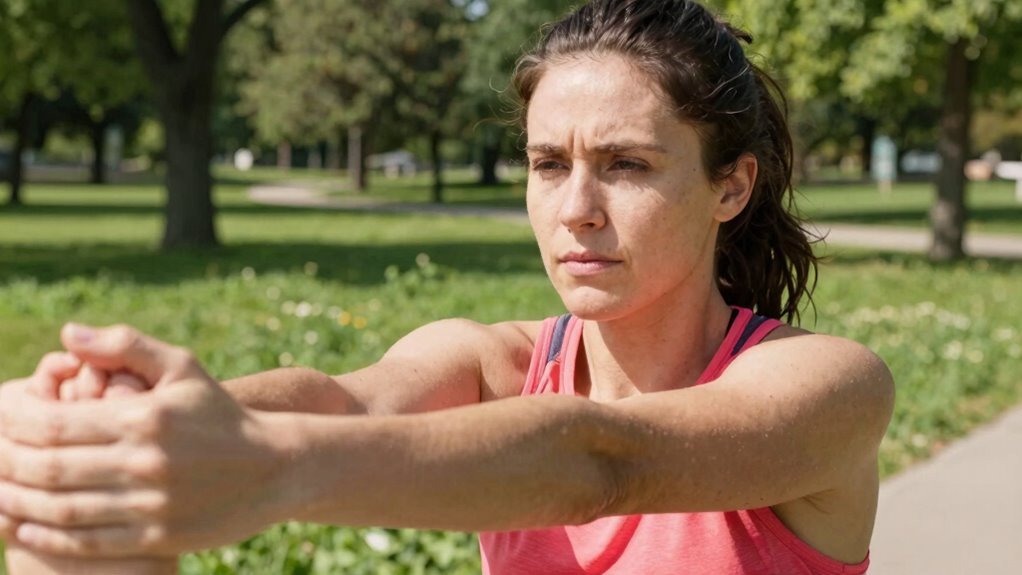
Tracking your progress is a powerful way to stay motivated as you work through reducing your fear of movement after a fall scare. When you see how far you’ve come, it boosts confidence and encourages continued effort. Use progress tracking to identify small victories, like walking a little farther or standing longer without discomfort. Incorporate motivational quotes to reinforce your commitment and remind yourself of your resilience. Keep a journal or use apps to log daily achievements, which helps you stay focused and accountable. Seeing steady improvements can diminish anxiety and reinforce positive habits. Remember, celebrating small wins keeps you motivated and reminds you that overcoming fear takes time, patience, and persistence. Utilizing tools like a world clock can help you stay consistent with your routine across different time zones.
Frequently Asked Questions
How Long Does It Typically Take to Overcome Fear of Movement?
Overcoming fear of movement varies for each person, but it often takes several weeks to a few months. You’ll need to work through psychological barriers and rebuild your confidence gradually. Consistent, gentle activities and positive reinforcement help you feel more secure in your movements. With patience and support, you can reduce your fear, regain trust in your body, and enjoy increased mobility over time.
Can Medication Help Reduce Fear After a Fall?
Medication can help reduce fear after a fall, but it’s essential to contemplate potential medication side effects like drowsiness or dizziness. You should discuss with your healthcare provider to explore alternative therapies, such as physical therapy, counseling, or mindfulness exercises, which can address anxiety without the risks associated with medication. Combining these approaches often offers a safer, more effective way to regain confidence and reduce fear of movement.
Are There Specific Exercises for Different Age Groups?
Yes, there are age-specific exercises designed to address different needs. You should focus on tailored movement routines that match your age group, helping you regain confidence safely. For example, seniors benefit from balance and gentle strength exercises, while younger adults might incorporate more dynamic activities. Consulting a physical therapist can help customize these routines, ensuring they’re safe and effective for your specific age, reducing fear, and encouraging active movement.
How Can Family Members Support Someone Afraid to Move?
You can support someone afraid to move by offering emotional reassurance and gentle encouragement. Listen to their concerns without judgment, and remind them that setbacks are normal. Encourage small, manageable movements to build confidence gradually. Stay patient and positive, celebrating even tiny progress. Your calm presence and understanding help them feel safe, making it easier for them to overcome their fear and regain their independence.
What Are Common Mistakes to Avoid During Recovery?
Don’t let psychological barriers become brick walls blocking your progress. Avoid rushing recovery or pushing yourself too hard before you’re ready, as this can backfire and deepen your fear. Instead, focus on confidence building through gradual, supported movements. Ignoring your feelings or dismissing your fears can stall progress. Be patient, listen to your body, and celebrate small victories—they’re the building blocks to a stronger, more confident you.
Conclusion
So, after all that, you might find yourself avoiding movement just to dodge another fall scare. Ironically, staying still only weakens your body and fuels more fear. But with patience, gentle steps, and a bit of support, you can break free from this cycle. Don’t let fear keep you trapped—because the real fall isn’t in movement, it’s in letting fear keep you still. Take that first step; your future self will thank you.