
Your home environment greatly impacts your wellness as you age. Poor indoor air quality can lead to respiratory issues, but adding plants and using air purifiers helps. Proper lighting reduces eye strain and supports better sleep, while managing noise levels promotes relaxation and restorative rest. Ensuring safety with simple modifications creates a more comfortable space. To discover practical ways to enhance your home’s air, light, and noise levels, keep exploring how these changes can boost your health and comfort.
Key Takeaways
- Good indoor air quality reduces respiratory issues and enhances overall health for older adults.
- Proper lighting supports sleep cycles, reduces eye strain, and improves mood.
- Noise reduction promotes better sleep, lowers stress, and enhances mental well-being.
- Adequate ventilation prevents pollutant buildup and maintains a healthier indoor environment.
- A safe, comfortable home environment reduces fall risk and increases feelings of security.
As an affiliate, we earn on qualifying purchases.
How to Improve Air Quality for Seniors at Home
Improving air quality at home is essential for supporting seniors’ health and well-being. You can do this by adding indoor plants, which naturally filter toxins and increase humidity, creating a fresher environment. Choose plants like snake plants or pothos, known for their air-purifying qualities. Additionally, using air purifiers with HEPA filters helps remove dust, pet dander, and airborne pollutants that can worsen respiratory issues. Keep windows open when possible to allow fresh air in, but be mindful of outdoor pollution. Regularly dust and vacuum to reduce allergens. Incorporating air-purifying plants can further enhance indoor air quality by naturally removing pollutants. For example, avoiding the accumulation of microplastics in dust is vital, as these tiny particles can be inhaled and may impact respiratory health. Using air quality monitors can help track pollutant levels and ensure a healthier environment. Ensuring proper ventilation helps prevent the buildup of indoor pollutants and maintains fresh airflow throughout the home. Maintaining good indoor air circulation is also crucial in creating a safe and comfortable space for seniors. Combining indoor plants with reliable air purifiers creates a cleaner, healthier living space for seniors, reducing the risk of respiratory problems and promoting better overall wellness.
Using Light to Support Aging Eyes and Better Sleep
Good air quality and proper lighting go hand in hand when creating a comfortable, healthy home for seniors. Light influences your circadian rhythm, which helps regulate sleep and wake cycles. Exposure to natural light during the day boosts melatonin production at night, promoting better sleep and alertness. To support aging eyes, opt for brighter, balanced lighting that reduces glare and eye strain. Use dimmer switches or adjustable lamps to tailor lighting to your needs. Here’s a quick comparison:
| Light Type | Effect on Circadian Rhythm | Best for |
|---|---|---|
| Bright daylight | Reinforces wakefulness | Daytime |
| Soft evening light | Prepares for sleep | Nighttime |
| Blue light filters | Reduces eye strain | Evening |
| Warm lighting | Comforts eyes | Evening |
| Natural light | Supports melatonin | Daytime |
Proper lighting enhances wellness by aligning your body’s internal clock. Additionally, incorporating natural light into your living space can significantly improve overall well-being and sustainable lighting options can help reduce energy consumption. Research indicates that light therapy can be particularly beneficial for older adults experiencing circadian rhythm disruptions. Moreover, understanding how artificial lighting impacts sleep patterns can aid in designing healthier environments for seniors.
Reducing Noise Levels to Lower Stress and Boost Sleep
Have you noticed how noise can disrupt your daily routine or sleep? Excessive noise from sources like traffic, neighbors, or household appliances can raise stress levels and make falling asleep difficult. To combat this, consider soundproofing strategies such as sealing gaps around windows and doors, adding heavy curtains, or using weatherstripping. These measures help block noise pollution sources and create a quieter, more peaceful environment. White noise machines or fans can also mask disruptive sounds, promoting better sleep. Reducing noise not only lowers stress but also improves sleep quality, helping you wake up feeling more refreshed. Additionally, investing in home soundproofing solutions can significantly enhance your overall wellness by further minimizing noise disturbances. By actively managing noise levels in your home, you support your overall wellness and create a calm space conducive to rest.
Simple Steps to Make Your Home Safer and Comforting for Seniors
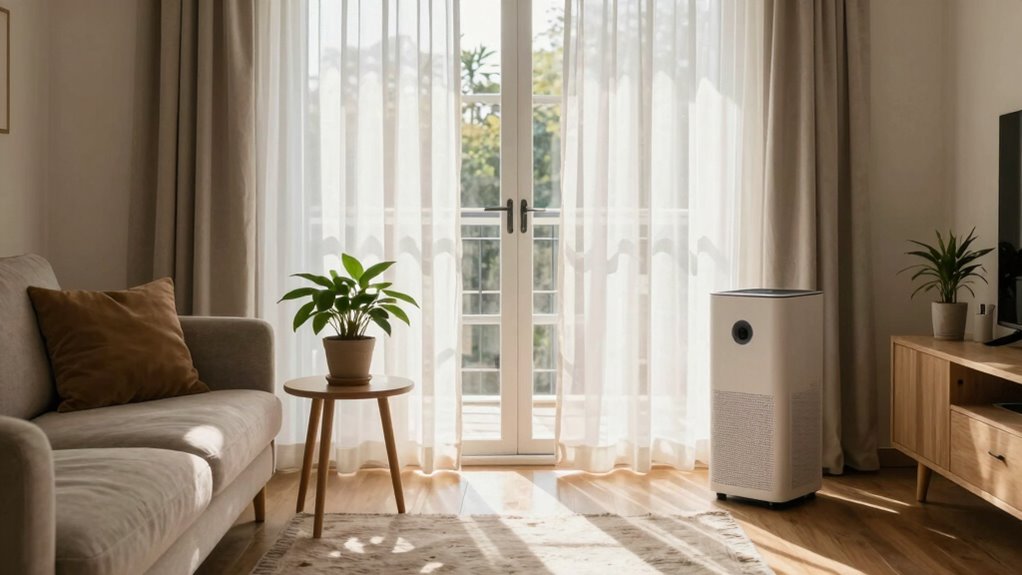
Creating a safe and cozy home environment can make a significant difference in an older adult’s well-being. Start by installing assistive devices like grab bars in the bathroom and non-slip mats to prevent falls. Guarantee pathways are clear, well-lit, and free of clutter. Keep emergency supplies accessible, including phone chargers, flashlights, and a first aid kit, to boost emergency preparedness. Consider adding motion sensor lights to guide nighttime navigation and reduce the risk of accidents. Secure loose rugs and cords, and adjust furniture to create open, easy-to-move spaces. Regularly check that smoke and carbon monoxide detectors work properly. For a more enriching environment, incorporate elements that celebrate kitchen gear care and milestones, which can provide engaging conversation starters and a sense of connection. These simple steps help create a safer, more comforting home where seniors can feel confident and secure every day.
Signs of Environmental Hazards in Elderly Homes and When to Get Help
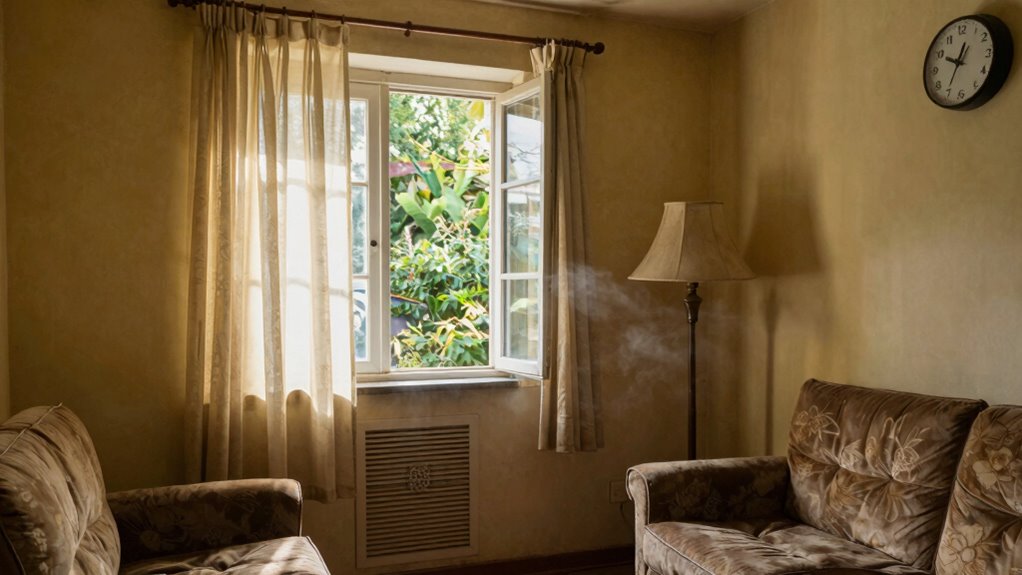
Environmental hazards in an elderly home can often go unnoticed until they cause a serious problem. Look out for signs of indoor mold, like a musty smell or visible black spots on walls or ceilings. Mold can cause respiratory issues and allergies, especially in older adults. Pest infestations, such as ants, cockroaches, or rodents, are also warning signs; they can spread disease and trigger allergies. If you notice persistent musty odors, visible mold, droppings, or signs of pests, it’s time to get help. Don’t wait—addressing these hazards promptly can prevent health complications. Regular inspections, good ventilation, and timely cleaning are key to maintaining a safe environment for your loved one. When in doubt, consult a professional for thorough assessment and remediation. Proper water damage and rug cleaning can also prevent mold growth and other related hazards, especially when combined with moisture control techniques to keep indoor environments dry and safe. Additionally, ensuring proper ventilation and airflow can significantly reduce the risk of mold and other indoor hazards, as proper air quality management is essential for safeguarding older adults’ health. Incorporating regular maintenance and inspections can further help in early detection and prevention of environmental issues.
Frequently Asked Questions
How Often Should Air Filters Be Replaced in Senior Living Spaces?
You should replace air filters in senior living spaces every 30 to 60 days to maintain good air quality. Regular filter maintenance is essential, especially for older adults, as it helps remove dust, allergens, and pollutants that can affect their health. Keep an eye on filter conditions; if they look dirty or clogged sooner, replace them more often. Proper filter upkeep ensures a healthier and more comfortable environment.
What Types of Lighting Are Best for Preventing Falls in Seniors?
You might think all lighting works equally, but proper lighting design is key for fall prevention. To keep seniors safe, use bright, glare-free LED lights with warm tones in hallways, staircases, and bathrooms. Adjustable lighting helps accommodate changing needs, reducing tripping hazards. Ensuring well-lit spaces minimizes falls, boosts confidence, and promotes independence. Good lighting isn’t just comfort—it’s an essential safety feature for older adults’ wellness.
How Can Noise Pollution Affect Seniors’ Mental Health Long-Term?
Noise pollution can considerably impact your mental health long-term by increasing stress levels and causing chronic stress. Over time, this persistent noise can lead to anxiety, depression, and difficulty concentrating. You might find yourself feeling overwhelmed or irritable more often. Reducing exposure to loud, constant noise helps protect your mental well-being, allowing you to relax and maintain a healthier, more balanced state of mind.
Are There Specific Plants That Improve Air Quality for Elderly Homes?
Sure, some indoor plants like snake plants, peace lilies, and pothos are perfect for air purification in elderly homes. They naturally filter toxins and boost oxygen levels, making your space healthier. Imagine turning your home into a botanical paradise—without needing a green thumb! These plants are low-maintenance, effective, and stylish. Use them to improve air quality effortlessly and bring a refreshing gust to your loved ones’ daily lives.
What Emergency Measures Should Be in Place for Environmental Hazards?
You should have emergency preparedness plans that include clear evacuation routes and accessible communication devices for hazards like fire, carbon monoxide leaks, or power outages. Regularly check and maintain smoke detectors and carbon monoxide alarms. Practice hazard mitigation by removing clutter and securing loose fixtures. Make certain that emergency supplies, like water, medications, and flashlights, are always stocked and easily reachable, so you’re ready to respond swiftly and keep older adults safe during environmental emergencies.
Conclusion
Creating a safe, comfortable environment for seniors isn’t just about chance; it’s about intentional choices. When you improve air quality, optimize natural light, and reduce noise, you’re not only supporting their health but also fostering a sense of peace that seems almost serendipitous. Sometimes, the smallest adjustments can lead to the most significant benefits, reminding us that a well-tended home naturally becomes a sanctuary—where wellness quietly flourishes amid everyday life.