Overdecorating your senior home can hide serious safety risks, like tripping hazards from cords, cluttered surfaces, or low-hanging decorations. Fragile ornaments and unstable items may fall or break, causing injuries. Bright lights and crowded walls can impair visibility and increase fall chances. To keep your loved ones safe, it’s essential to spot and eliminate hazards and choose simpler, more secure decor. If you want to learn how to decorate safely, keep going for helpful tips.
Key Takeaways
- Overdecorating can create cluttered walkways, increasing trip and fall hazards for seniors.
- Fragile or heavy decorations may break or topple, causing injury.
- Excessive lighting and cords can lead to glare and tripping risks.
- Low-hanging or unsecured wall hangings might fall and cause harm.
- Visual clutter from overdecorating impairs visibility, raising accident likelihood.

Home Safety for Seniors: A Plain-English Guide to Fall Prevention, Bathroom Safety, Better Lighting, Safer Stairs, Mobility Aids, and Aging in Place (Home Safety After 60 Book 1)
As an affiliate, we earn on qualifying purchases.
As an affiliate, we earn on qualifying purchases.
Why Overdecorating Can Be Dangerous for Seniors
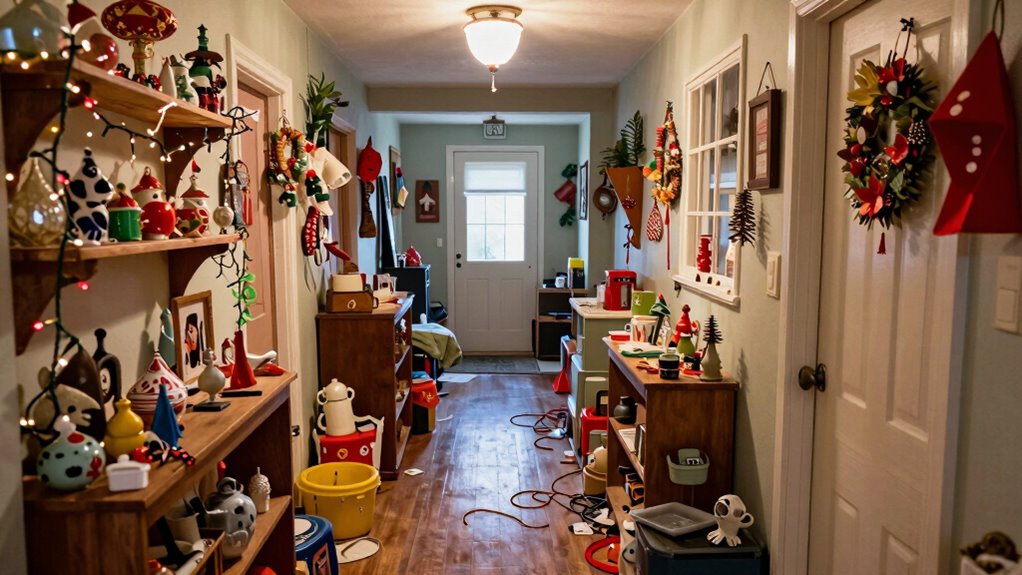
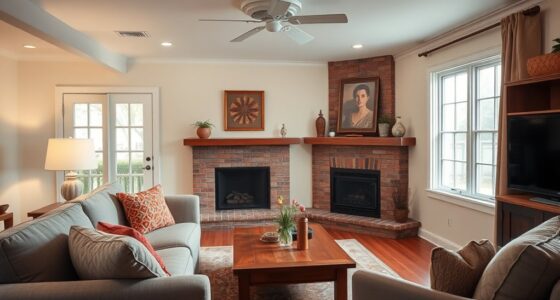
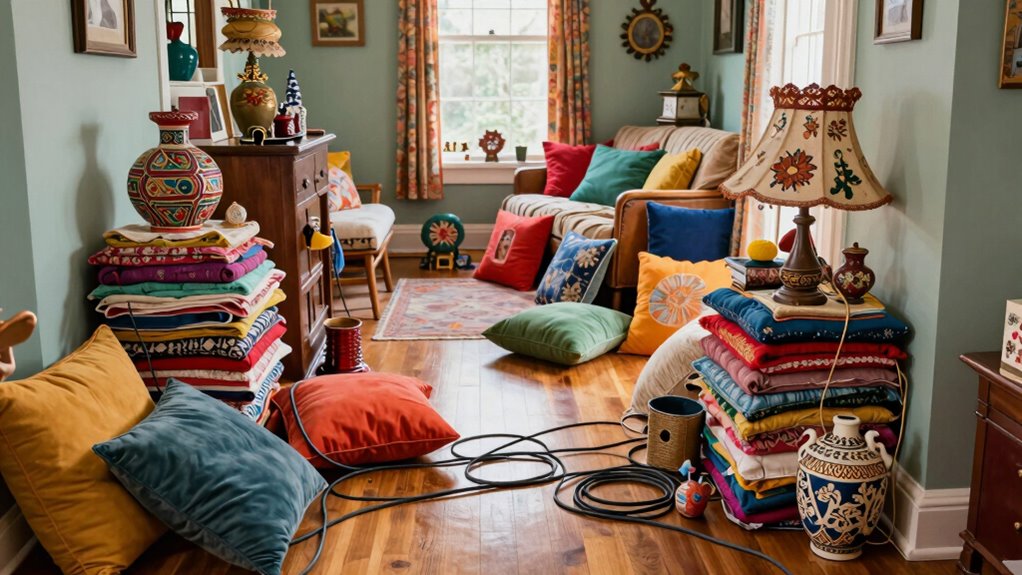
Overdecorating a senior’s home might seem like a way to create a warm and lively environment, but it can actually pose serious safety hazards. Excessive decorative lighting can lead to tripping hazards if cords are left stretched across walkways or if bulbs are too bright and cause glare. Wall hangings, while adding character, can become dangerous if they’re hung too low or unsecured, risking falls if they fall or are pulled down. Cluttered surfaces and crowded walls increase the risk of bumps and knocks, especially for seniors with limited mobility or vision issues. Overdecorating can also make it harder to navigate safely, increasing the chance of accidents. Keeping decorations simple and secure helps create a safer, more comfortable environment for seniors. Understanding the importance of safety in home design can help prevent common hazards associated with overdecorating. Additionally, incorporating decorative elements that are easy to adjust or remove can help maintain a safe space as needs change. Ensuring that items are properly secured and free of sharp edges can further reduce injury risks, especially considering the importance of safety features in home environments. Incorporating lighting considerations to reduce glare and improve visibility can also significantly enhance safety for seniors. Furthermore, selecting natural lighting options can improve overall illumination while minimizing harsh shadows.
Which Decorations Are Unsafe in a Senior Home?
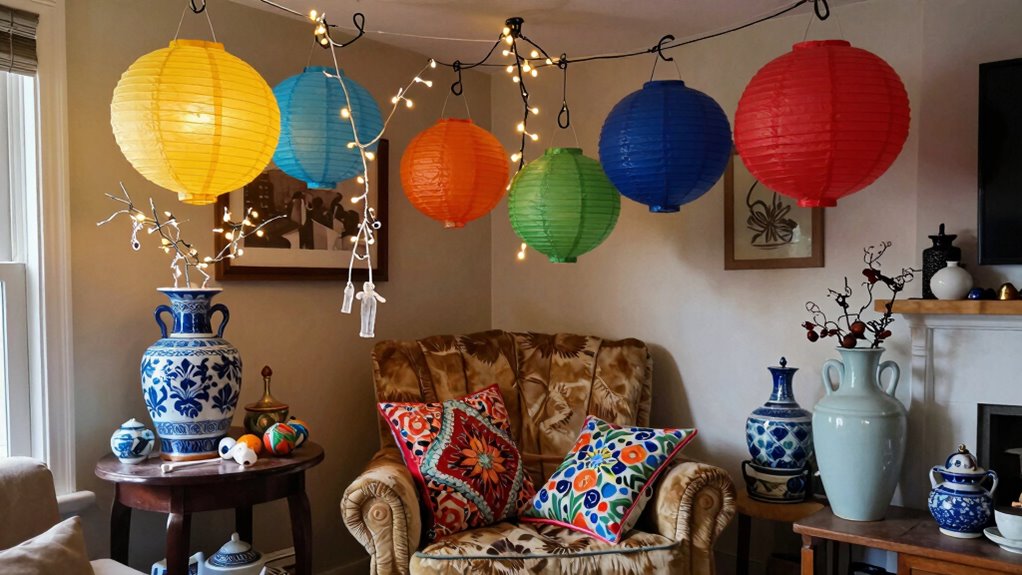
Certain decorations can pose significant safety risks in a senior’s home, especially those that are fragile, overly large, or poorly secured. Festive ornaments, like glass or delicate items, can easily break if knocked over, creating sharp shards that cause injuries. Wall hangings with sharp edges or loose hooks may fall and harm someone. Oversized decorations can obstruct walkways or entrances, increasing the risk of trips and falls. Be cautious with heavy or unstable items that could topple unexpectedly. Decorations that aren’t securely fastened can become hazards over time. It’s best to avoid fragile, large, or unsecured decor in a senior’s home. Instead, opt for simple, sturdy, and well-secured decorations to keep the environment safe and welcoming. Paying attention to decoration safety guidelines can further help prevent accidents, especially when considering home safety measures tailored for seniors. Additionally, understanding the symbolic significance of certain shapes and symbols can help in choosing decor that is both meaningful and safe. Properly securing decorations can also reduce the likelihood of accidents caused by shifting or falling items. Incorporating trusted safety practices from reputable sources can ensure a safer environment for seniors.
How to Spot Hazards and Clutter in Your Home
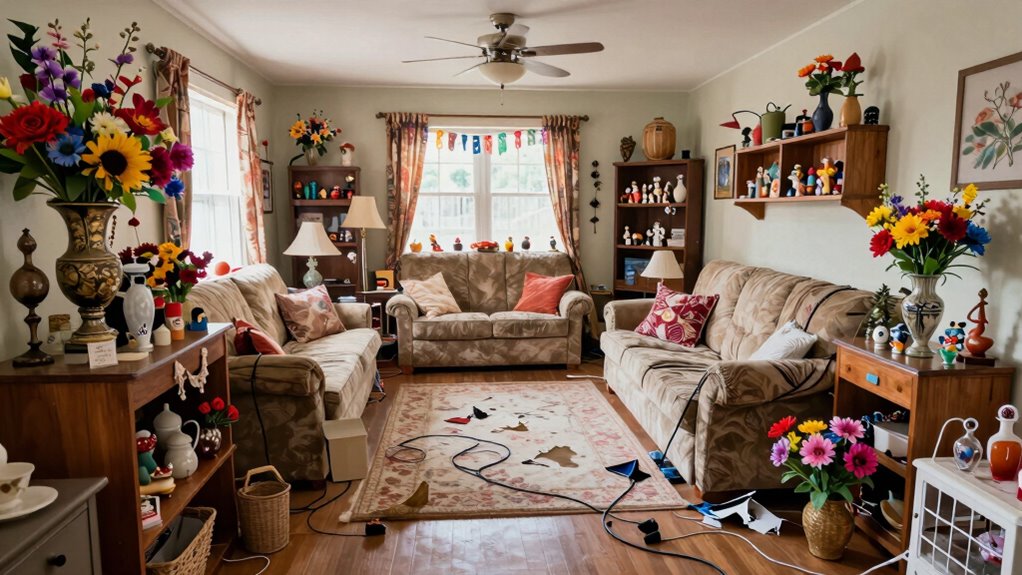
Recognizing hazards and clutter in your home is essential for creating a safe environment, especially for seniors. Start by inspecting surfaces for clutter, which can cause trips or falls. Look for personalized ornaments and fragile decorations that are placed in high-traffic areas; these are easy to knock over or break. Check for cords or wires that create tripping hazards, especially near walkways. Examine furniture and decor for stability—are shelves securely anchored? Remove or relocate items like fragile decorations that could shatter if knocked over, and clear pathways of unnecessary clutter. Regularly evaluating your space helps you spot potential dangers before they cause injury, making your home safer for your loved ones. Incorporating home safety gear, like sturdy furniture and non-slip mats, can further reduce risks. Additionally, understanding home safety standards can guide you in making more informed safety improvements. Being aware of indoor air quality issues, such as dust or microplastics, can also contribute to creating a healthier environment for seniors.
Tips for Decorating Your Senior Home Safely
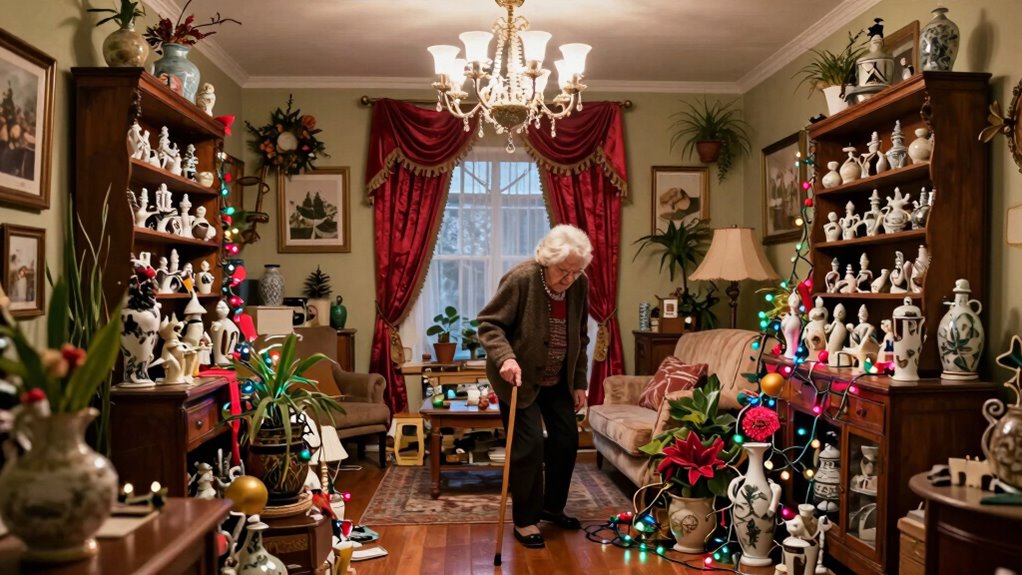
When decorating your senior home, safety should always come first. Focus on balancing creative expression with practicality to enhance aesthetic appeal without creating hazards. Use rugs with non-slip backings and secure cords along walls to prevent trips. Keep pathways clear and avoid cluttered surfaces. Incorporate soft lighting to improve visibility and reduce fall risks. To add personality, choose artwork or decorative items that are lightweight and easy to move. Here’s a quick guide:
| Safe Decorating Tips | Creative & Aesthetic Ideas |
|---|---|
| Use non-slip rugs | Add colorful artwork or photos |
| Secure cords & wires | Incorporate decorative lamps |
| Keep walkways clear | Use soft, calming colors |
| Use proper lighting | Display lightweight, meaningful decor |
These steps help you create a warm, inviting space that’s both safe and visually appealing. Paying attention to home safety principles ensures a secure environment for seniors while still allowing personal style to shine. Additionally, understanding solar/power safety can prevent electrical hazards in your home environment, especially when adding new electrical decor or fixtures. Being aware of fall prevention strategies can further reduce the risk of accidents in a senior living space. Regularly inspecting electrical wiring and ensuring proper maintenance can also enhance overall safety. Incorporating home design details such as door swings and stair proportions can further improve safety and accessibility.
When and How to Simplify Your Decor for Safety
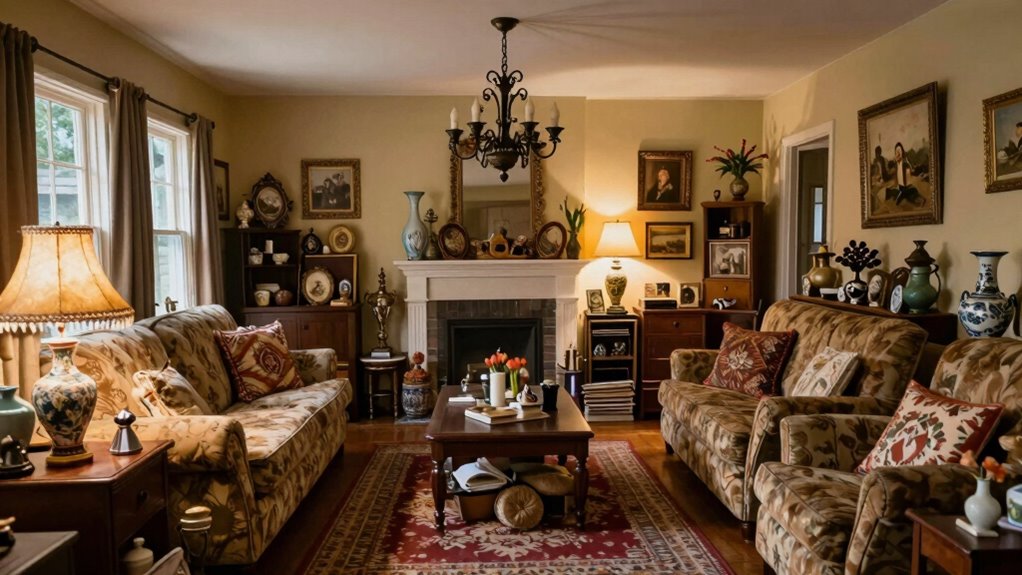
As you notice signs of clutter or increased difficulty maneuvering your space, it’s time to contemplate simplifying your decor for safety. Start by removing unnecessary decorative accents that contribute to visual clutter, which can make spaces feel overwhelming or confusing. Focus on keeping essential items within easy reach and eliminating objects that pose tripping hazards. Replace fragile or ornate decorations with sturdy, low-profile pieces that don’t obstruct pathways. Organize items neatly, reducing clutter on surfaces and floors. Simplifying your decor creates a calmer, safer environment by improving visibility and accessibility. Electric bikes and other outdoor equipment should also be stored safely and out of walkways to prevent accidents. Remember, less is often more when it comes to safety—streamlining your decor minimizes risks and makes daily navigation easier for seniors. Incorporating home safety assessments can help identify specific areas that require attention for improved senior safety. Additionally, maintaining a clutter-free environment supports device and network security, as fewer items around the home reduce potential hacking vulnerabilities.
Frequently Asked Questions
How Can Overdecorating Affect a Senior’s Mobility?
Overdecorating can hinder your senior loved one’s mobility by creating clutter that makes navigation difficult. Decorative clutter can obscure walkways and essential cues, while visual overload from too many decorations can cause confusion or disorientation. This increases the risk of trips or falls. To keep your loved one safe, limit decorations and maintain clear, open spaces that promote easy movement and reduce hazards.
Are Certain Colors or Patterns More Hazardous for Seniors?
Like a vintage jukebox, certain colors and patterns can be hazardous for seniors. You should prioritize high color contrast and clear pattern clarity to reduce confusion and falls. Bright, contrasting colors help seniors distinguish objects from the background, while busy, intricate patterns may cause visual overload. Avoid overly intricate or similar shades, as they can be confusing or disorienting, increasing the risk of accidents and injury.
What Are Common Overlooked Hazards Caused by Decorations?
You often overlook that decorative clutter can create tripping hazards or block pathways, increasing fall risks. Visual overstimulation from busy patterns or bright colors can confuse or disorient seniors, especially those with cognitive issues. Keep decorations simple and minimal to prevent clutter and overstimulation. Regularly check that décor isn’t obstructing exits or emergency equipment, ensuring a safe environment that promotes independence rather than hazards.
How Do Decorations Impact a Senior’s Emergency Evacuation?
Decorations can considerably impact a senior’s emergency evacuation, as 60% of falls happen in cluttered environments. Decorative distractions and visual clutter may obscure exits or pathways, causing confusion during urgent situations. This makes it harder for seniors to quickly identify escape routes, increasing risk during emergencies. To keep evacuation clear and safe, limit excessive decorations and maintain unobstructed, well-lit routes that prioritize safety over aesthetics.
Can Overdecorating Influence a Senior’s Mental Health?
Overdecorating can negatively influence a senior’s mental health by creating decorative clutter, which may lead to feelings of being overwhelmed. Too many decorations can cause sensory overload, increasing anxiety or confusion. When you fill their space excessively, it might become harder for them to focus or relax. Simplifying decor helps create a calming environment, supporting their emotional well-being and reducing stress.
Conclusion
Overdecorating your senior home can seem inviting, but it’s essential to prioritize safety. Did you know that falls are the leading cause of injury among seniors, often triggered by clutter or unsafe decorations? By simplifying your decor and removing hazards, you create a safer environment where your loved ones can thrive. Remember, a thoughtfully decorated home doesn’t have to be busy—just safe and comfortable, so your seniors can enjoy their space with peace of mind.