An emergency information station at home is a central spot where you organize critical safety details, including contact numbers, medical info, and safety instructions. To set it up, pick an accessible, visible location, and guarantee it’s organized with easy-to-read signage and waterproof storage. Regular updates and practicing drills help everyone stay prepared. If you keep these tips in mind, you’ll be ready to respond quickly during any crisis—just keep exploring for more helpful ideas.
Key Takeaways
- Choose a visible, accessible location near main areas, ensuring good lighting and unobstructed pathways.
- Organize essential documents and contact info in waterproof, clearly labeled storage for quick retrieval.
- Include family-specific needs like medical supplies and mobility aids in your station setup.
- Use clear signage with large fonts and color coding to facilitate rapid recognition during emergencies.
- Regularly review, update, and practice using the station and its contents through family drills.
waterproof emergency document storage box
As an affiliate, we earn on qualifying purchases.
As an affiliate, we earn on qualifying purchases.
Assessing Your Home’s Emergency Needs
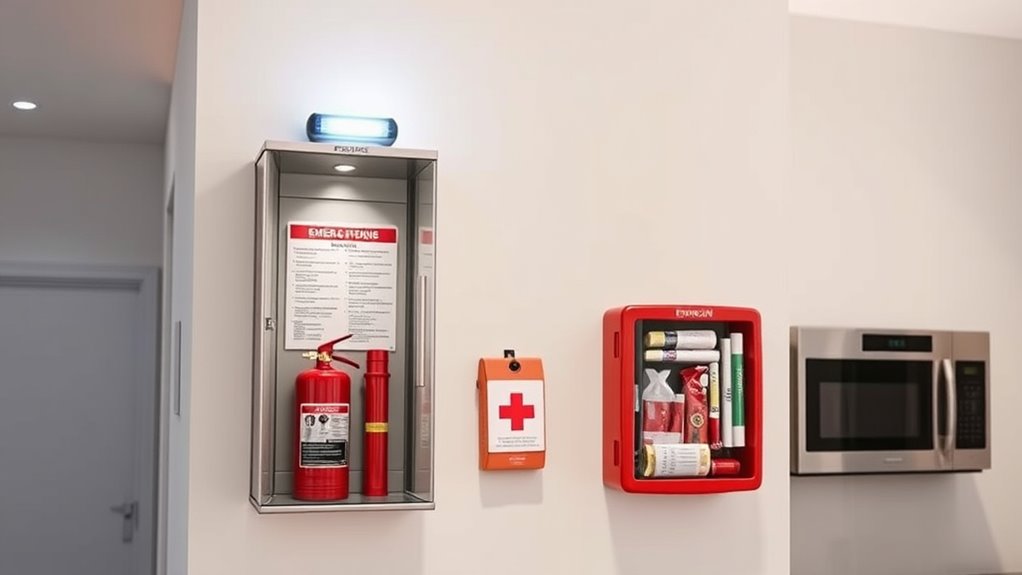
Before a disaster strikes, it’s vital to evaluate your home’s emergency needs so you can respond effectively. Start by examining fire safety measures—install smoke alarms, keep fire extinguishers accessible, and make sure everyone knows escape routes. Consider other hazards like floods or storms, and prepare accordingly. Think about your family’s specific needs, such as medical supplies or mobility aids. Review your disaster preparedness plans regularly to identify gaps and update them as needed. Knowing your home’s vulnerabilities helps you build a practical emergency kit and establish clear procedures. Incorporating seasonal maintenance checks can help prevent emergencies caused by overlooked issues. Taking these steps ensures you’re ready to act swiftly and confidently when emergencies happen, minimizing risks and protecting your loved ones. Proper assessment is the foundation of an effective home emergency plan.
Selecting the Ideal Location for Your Station
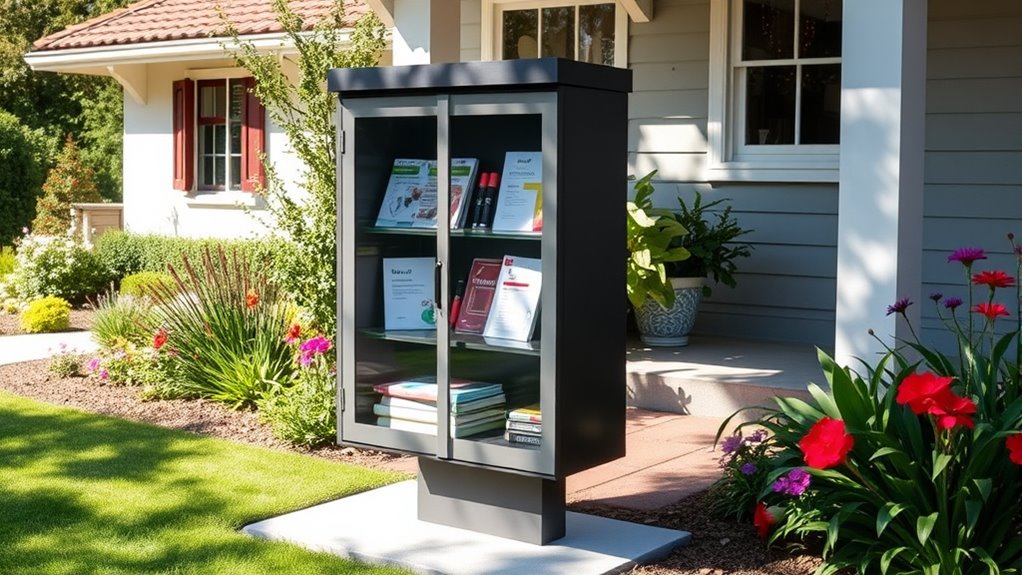
Choosing the right location for your emergency information station is essential to guarantee quick access during a crisis. You want a spot that’s easily visible and reachable, ideally near your main living areas or entrance. Consider your home decor and interior design to assure the station blends seamlessly without cluttering your space. A dedicated corner in your hallway, mudroom, or kitchen works well, provided it’s out of the way but still accessible. Avoid placing it in high-traffic or hidden areas like basements or closets, where you might waste precious seconds searching. Remember, the goal is to create a functional, organized setup that complements your interior design while prioritizing safety and ease of use. A well-chosen spot makes emergency preparedness more effective. Additionally, ensure the station is located in an area with good lighting to facilitate quick access during low-visibility situations.
Gathering Essential Contact and Medical Information
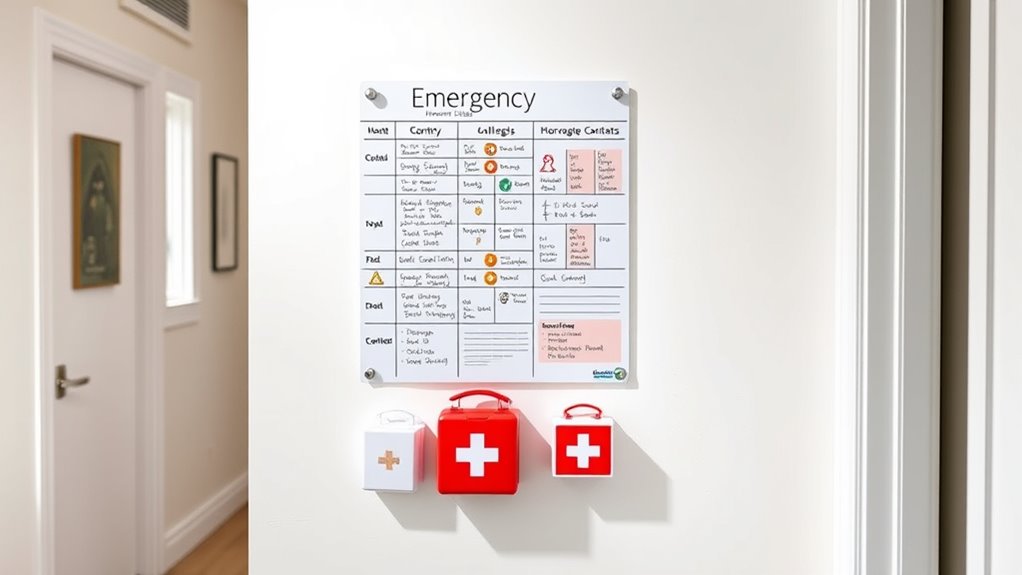
You need to organize contact information so it’s easy to access quickly during emergencies. Make sure medical history is documented clearly to assist responders in providing the right care. Properly gathering and arranging this information can save valuable time when every second counts. Including information on essential oils for health support can also be beneficial for quick reference in natural remedy situations.
Contact Information Organization
Gathering essential contact and medical information is a critical step in organizing emergency information stations. You need to create a clear system for organizing emergency contact details and medical information so that everyone can find what they need quickly. Start by listing each family member’s emergency contact, including phone numbers and relationships. Next, compile necessary medical information, such as allergies, medications, and medical conditions. Use a dedicated folder or binder with labeled sections to keep everything accessible. Consider using color-coded tabs or digital files for easy navigation. Make sure the information is up-to-date and stored in a safe, central location known to all household members. Establishing a comprehensive organization system ensures that, during an emergency, essential contact and medical details are readily available for swift action.
Medical History Documentation
Once you’ve organized contact and medical information, it’s important to document each family member’s medical history thoroughly. This includes listing any chronic conditions, past surgeries, and ongoing treatments. Accurate documentation helps with medication management, ensuring everyone gets the correct dosages and avoiding harmful interactions. Be sure to include allergy tracking details for food, medication, or environmental triggers, so you can quickly alert emergency responders if needed. Keep this information current and accessible in your emergency station. Encourage family members to update their medical histories regularly, especially after health changes. Having a comprehensive record ensures that in an emergency, you can provide responders with vital details swiftly, reducing delays and improving care. Proper documentation is a crucial part of preparedness. Additionally, understanding the horsepower of electric dirt bikes can help in assessing the safety and performance of electric-powered equipment used around the home.
Creating Clear and Easy-to-Read Signage
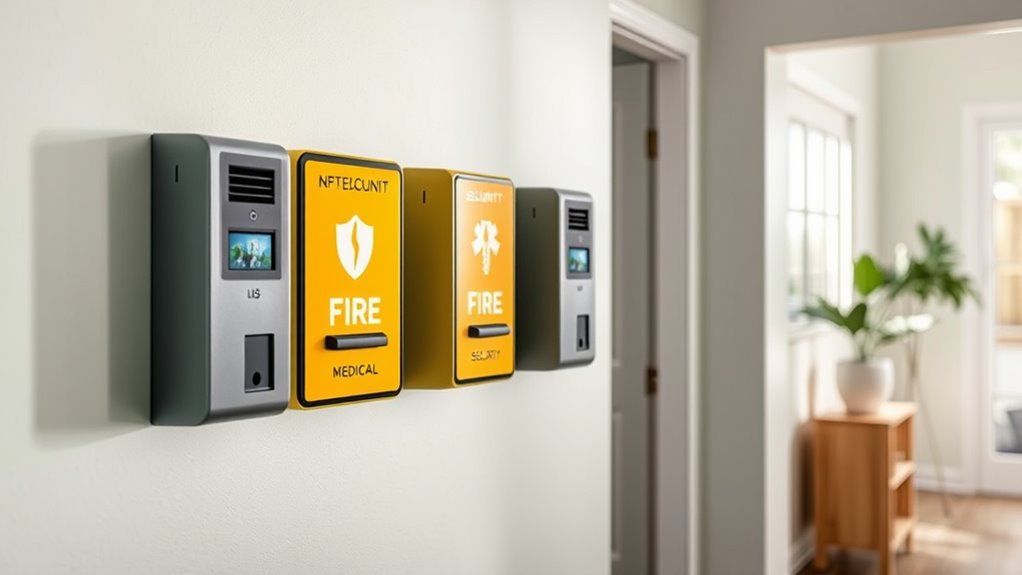
How can emergency information stations guarantee that everyone quickly understands critical messages? The key is creating clear, easy-to-read signage. Use color coding to differentiate types of information—red for emergencies, yellow for caution, green for safe zones. This visual cue helps people identify important messages at a glance. Additionally, prioritize font clarity by choosing large, simple fonts free of decorative elements. Avoid cluttered text or complex backgrounds that can hinder readability. Keep messages concise and direct, focusing on essential details. Proper signage design ensures quick comprehension, reducing confusion during stressful moments. When signs are visually straightforward and logically organized, everyone can respond promptly and effectively, enhancing safety for all in your home. Incorporating AI-driven design tools can further optimize signage for maximum clarity and impact.
Organizing Important Documents and Items
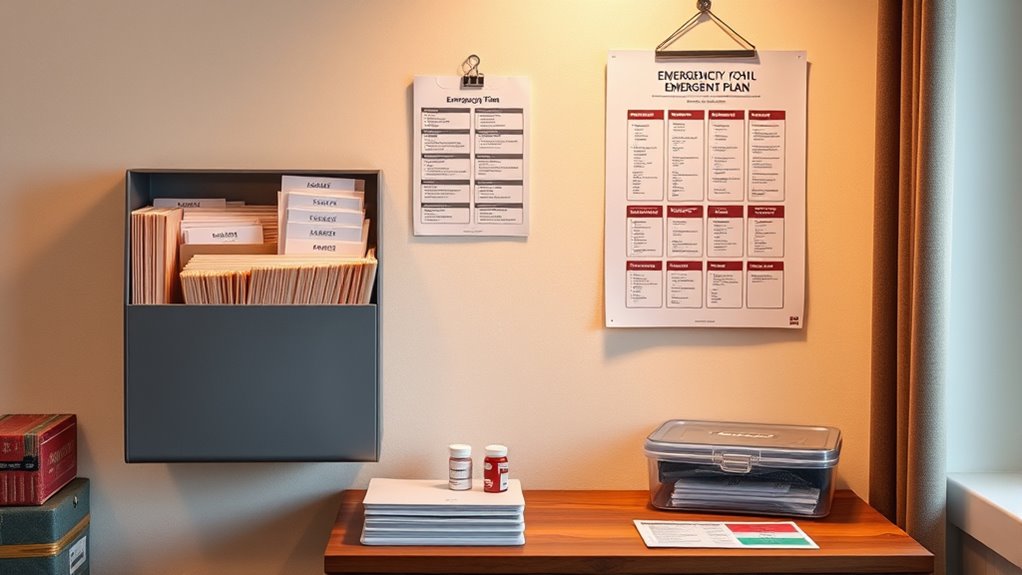
Start by sorting your essential documents into clear categories like identification, insurance, and medical records. Keep them in waterproof containers to protect against water damage. Remember to review and update these items regularly to make certain everything stays current and ready when needed. Additionally, consider the environmental impacts of your choices and explore sustainable alternatives for energy and resource management. Environmental impacts and the importance of responsible practices can help inform better decisions during emergencies.
Categorize Essential Documents
Have you ever wondered how to quickly find essential documents during an emergency? The key is to categorize your important papers so you can access them easily. Start by grouping items like birth certificates, insurance policies, medical records, and financial documents together. Keep digital security in mind—scan copies and store them securely online or on a password-protected device. Organize physical copies in a designated folder or binder labeled clearly. Place these documents in your emergency kits or a dedicated, easily accessible spot at home. Clear categorization helps you avoid wasting time searching when seconds matter. Regularly review and update your files to ensure everything stays current. Being organized now saves you stress and confusion during a crisis. Incorporating well-being tips can also help you stay calm and focused in stressful situations.
Use Waterproof Containers
Using waterproof containers is essential for protecting your important documents and items from water damage during emergencies. These containers keep your vital papers, photos, and small valuables safe and dry, even if water levels rise unexpectedly. Choose durable storage options made from sturdy materials like plastic or rubber to guarantee long-lasting protection. Label each waterproof container clearly so you can quickly identify contents in a crisis. Store your documents in a central, easily accessible location, such as a home safe or a dedicated emergency kit. Investing in high-quality, waterproof storage helps prevent loss or damage, giving you peace of mind. Additionally, selecting models with adjustable shelves can help organize various-sized items more efficiently. Remember, well-protected items can be crucial for insurance claims, identification, and emergency communication later on.
Update Regularly
Regularly updating your emergency documents and items guarantees they remain accurate and useful when you need them most. Effective inventory management helps you keep track of what’s current, including insurance policies, medical records, and emergency contacts. Review and update these details at least once a year, especially after major life changes or events. Confirm your safety signage is clear, visible, and reflects any new hazards or routes. Keep your important documents in waterproof containers and update the contents as needed. A well-maintained inventory helps you quickly locate essential items during an emergency. Additionally, understanding the importance of privacy and cookie management can assist in safeguarding your personal information during online emergency planning. By staying proactive with updates, you reduce confusion and save valuable time, making your emergency preparedness more reliable and effective when disaster strikes.
Ensuring Accessibility for All Family Members
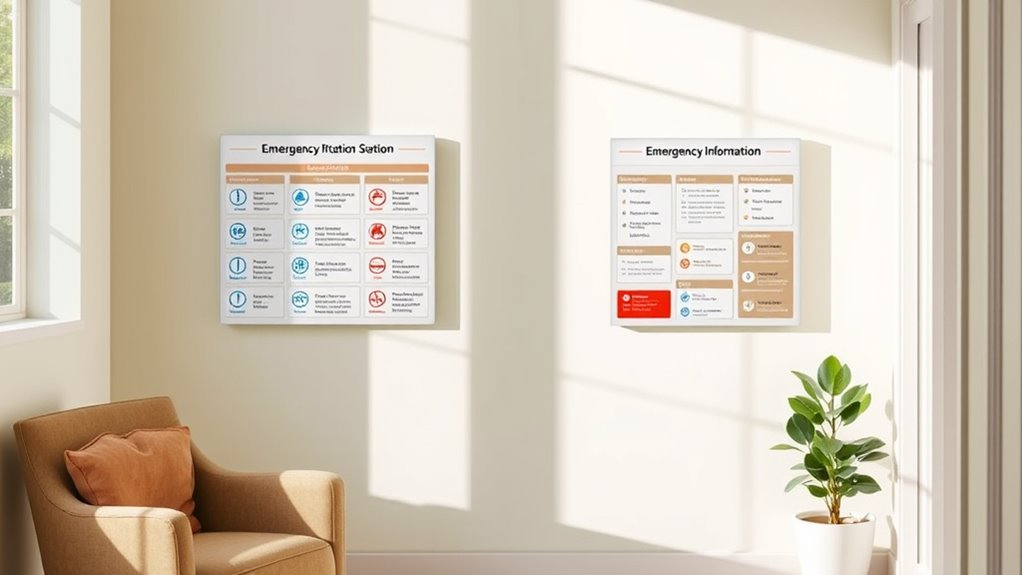
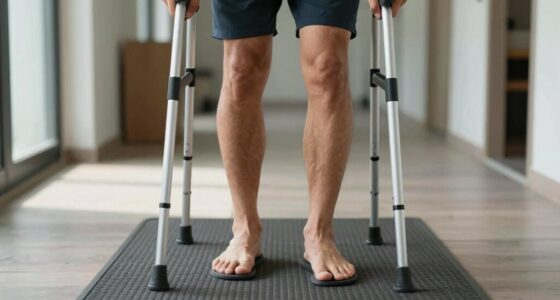
Ensuring accessibility for all family members is essential when designing emergency information stations, as it guarantees everyone can access critical details when seconds matter. You should consider assistive technology to support those with sensory or mobility challenges. Place the station at a height reachable by children and individuals in wheelchairs, guaranteeing wheelchair accessibility. Use clear, large print and tactile labels for easy reading. Incorporate visual cues and audio alerts for diverse needs. Regularly review the station’s setup to identify and address accessibility issues.
- Position information at various heights for different users
- Integrate assistive technology like audio descriptions or tactile maps
- Ensure pathways to the station are free of obstructions for wheelchair access
Regularly Updating and Maintaining the Station

To keep emergency information stations effective, you need to update and maintain them consistently. Regular reviews ensure all contact numbers, medical details, and escape plans are current. Check for any signs of damage or wear, especially around fire safety equipment and electrical hazards. Replace outdated or missing information promptly. Keep fire safety instructions clear and visible, and verify that electrical hazard warnings are accurate. Testing the station periodically helps identify gaps and ensures everyone knows where to find critical information quickly. Staying proactive prevents confusion during emergencies. Remember, a well-maintained station can be the difference between safe evacuation and chaos. Make it a routine to update the station at least every six months, or immediately after any significant change in your household.
Training Family Members on How to Use the Station
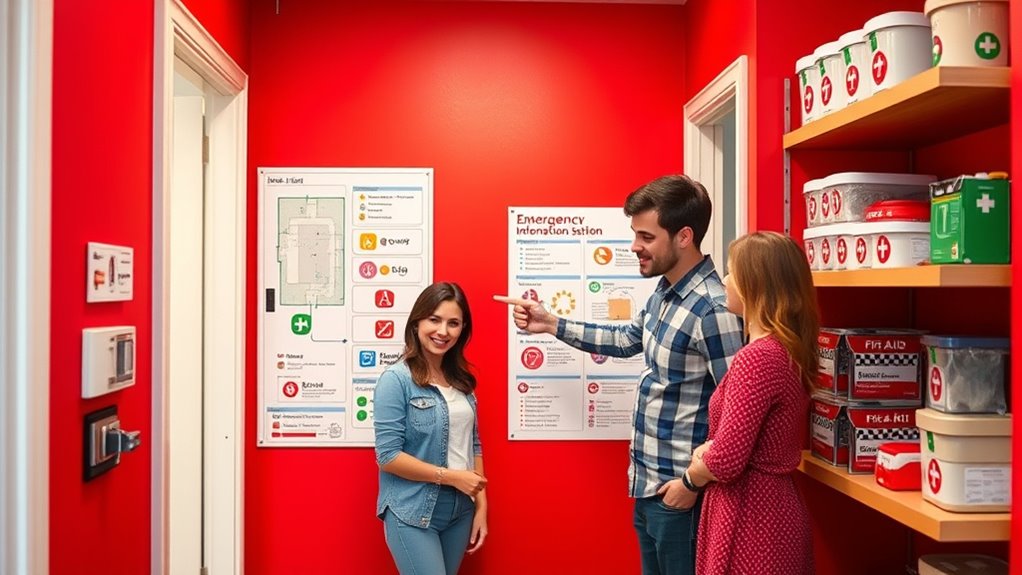
Training your family members on how to use the emergency information station is crucial for a quick and effective response during emergencies. Clear instructions ensure everyone knows their role and can access critical information swiftly. Assigning family roles and responsibilities helps streamline emergency communication, reducing confusion. Make sure each member understands how to navigate the station, locate vital contacts, and interpret instructions. You should also emphasize the importance of updating family role assignments regularly to reflect changes in circumstances. Conduct brief training sessions to demonstrate station features and answer questions, fostering confidence and preparedness. Remember, well-trained family members can act decisively, minimizing panic and ensuring safety during critical moments.
- Clarify family role assignments and responsibilities.
- Demonstrate how to access and interpret station information.
- Reinforce the importance of effective emergency communication.
Practicing Emergency Drills Incorporating the Station
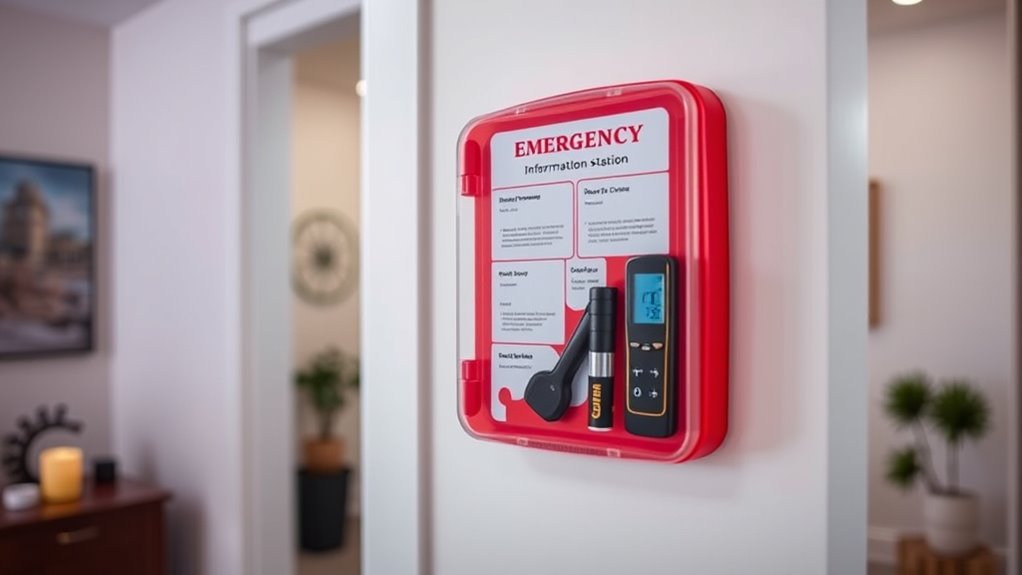
Practicing emergency drills that incorporate the station helps your family become familiar with its features and functions under real-world conditions. Regularly run through evacuation procedures, ensuring everyone knows how to access and use the station quickly. During these drills, check your emergency kit organization, making sure supplies are intact and accessible. Reinforce the importance of staying calm and following a predetermined plan.
| Step | Action | Outcome |
|---|---|---|
| 1 | Identify evacuation routes | Faster escape in emergencies |
| 2 | Practice station access and use | Familiarity and confidence |
| 3 | Review emergency kit organization | Quick retrieval of supplies |
Incorporate these steps into your drills to build preparedness and response efficiency.
Frequently Asked Questions
What Are Cost-Effective Options for Creating an Emergency Information Station?
You can create a budget-friendly DIY emergency station by gathering essential items like a printed list of emergency contacts, a flashlight, and a first aid kit. Use a waterproof container or binder to organize these supplies. Repurpose items you already have at home, such as folders or jars, to keep everything accessible. This approach keeps costs low while ensuring you’re prepared for emergencies with a simple, effective station.
How Can I Ensure Privacy When Storing Sensitive Information?
You can guarantee privacy by using data encryption for your sensitive information, which many experts agree effectively safeguards your data from unauthorized access. Believe it or not, encrypting files and storing them in secure, password-protected locations minimizes privacy concerns. Regularly update your passwords and limit access to trusted family members. These steps create a strong barrier, giving you peace of mind that your emergency info remains confidential during crises.
Are There Recommended Digital Tools or Apps for Managing Emergency Info?
You should explore digital apps designed for emergency management, like SafeTrek or Life360, to organize your emergency info securely. These apps often feature encryption and password protection, helping you keep sensitive details private. When choosing a digital tool, verify it’s reliable, easy to update, and compatible with your devices. Regularly review and update your information within the app to stay prepared for any emergency situation.
What Are Common Mistakes to Avoid When Setting up the Station?
You might think that common mistakes in setup pitfalls are minor, but they can compromise your emergency station’s effectiveness. Avoid cluttering the station with outdated info or neglecting secure, easy access to crucial details. Don’t overlook labeling or organizing documents clearly. Also, guarantee backup copies are available digitally, as assuming physical copies are enough is a false economy. Regularly review and update your station to prevent these setup pitfalls from undermining your preparedness.
How Do I Customize the Station for Different Family Members’ Needs?
You can customize your station by adding personalized labels for each family member, making it easy to find their specific information quickly. Consider accessibility; include large print, braille, or audio options for those with vision or hearing impairments. Adjust the station’s layout to suit individual needs, ensuring everyone can easily access and understand the information during emergencies. Regularly update and review these customizations to keep everything current and effective.
Conclusion
By setting up an emergency information station, you create a reliable lifeline in times of crisis. Think of it as a sturdy anchor, keeping essential details close when chaos strikes. Regular updates and practice guarantee everyone knows how to use it confidently. With this station in place, you’ll feel more prepared and in control—like a captain steering through stormy seas, ready to face whatever comes your way.