
Age-friendly design creates environments that support your independence, safety, and social connection as you age. It goes beyond simple accessibility, incorporating smart technology, safe community spaces, and adaptable features that make daily living easier and more comfortable. By reducing barriers and promoting active engagement, this approach helps you maintain a positive and confident aging experience. To discover how these thoughtful designs can benefit you, explore more about creating supportive homes and communities.

Turn quiet afternoons into listening time
- Thousands of audiobooks, podcasts and originals
- Listen on your phone, tablet or Echo — also offline
- Cancel anytime
Key Takeaways
- Age-friendly design creates environments that support independence, safety, social connection, and overall well-being for aging individuals.
- It incorporates smart home technology to assist daily tasks and hazard prevention, enhancing safety and autonomy.
- Promotes accessible, inclusive community spaces that encourage social interaction and active lifestyles.
- Ensures environments are adaptable with features like wide doorways, non-slip flooring, and support fixtures.
- Focuses on fostering dignity, participation, and a positive aging experience by removing barriers and promoting growth.

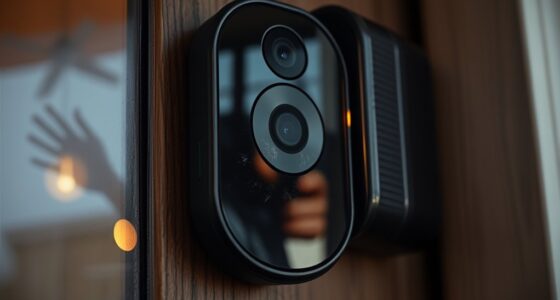
Have you ever considered how thoughtfully designed spaces can make aging easier and more enjoyable? Age-friendly design isn’t just about making homes accessible; it’s about creating environments that support independence, safety, and social connection as you grow older. One of the key elements in this approach is integrating smart home technology. Imagine living in a house equipped with voice-activated lighting, automatic door openers, and sensors that alert you to potential hazards. These smart home features help you manage daily tasks more easily, reducing the risk of falls and accidents. They also allow for greater independence, so you can stay in your own space longer and with confidence.
Thoughtfully designed spaces with smart technology enhance independence, safety, and comfort as you age.
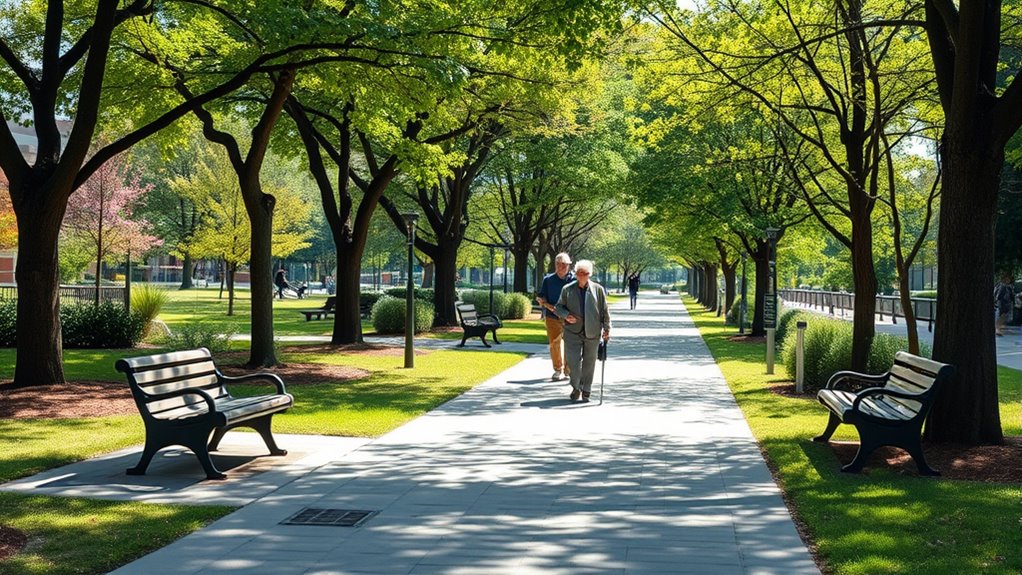
But age-friendly design goes beyond individual homes. It emphasizes community engagement, encouraging you to stay connected and active within your neighborhood or community. Thoughtfully designed communities incorporate accessible sidewalks, benches, and well-lit paths that invite you to take walks and socialize comfortably. They often feature communal areas, like parks or gathering spots, that foster social interaction and reduce feelings of isolation. When your environment is designed with your needs in mind, it becomes easier to participate in community activities, maintain friendships, and stay physically and mentally healthy.
In addition to smart homes and community engagement, age-friendly design promotes universal accessibility. Doors that are wide enough for wheelchairs, non-slip flooring, lever handles instead of knobs, and bathrooms with grab bars are just a few examples. These features make everyday activities safer and less stressful, whether you’re aging in place or helping a loved one. The goal is to create spaces that are adaptable to changing needs, allowing you to live comfortably without frequent renovations or adjustments.
Furthermore, age-friendly design encourages a sense of inclusion and independence. It recognizes that aging is a natural part of life and aims to remove barriers that might hinder participation. When your environment supports your mobility and social needs, you’re more likely to stay engaged and active. This positive approach can markedly enhance your quality of life, making aging a period of growth rather than decline.
Additionally, incorporating smart home technology into your living space can significantly improve safety and convenience by automating routine tasks and providing real-time alerts. Ultimately, age-friendly design is about fostering a supportive environment that respects your dignity and promotes well-being. By embracing smart home technology, community engagement, and universal accessibility, you create a space that not only adapts to your changing needs but also enriches your daily experience. It’s about transforming aging from a challenge into an opportunity for continued connection, independence, and joy.
smart home safety devices for seniors
As an affiliate, we earn on qualifying purchases.
As an affiliate, we earn on qualifying purchases.
Frequently Asked Questions
How Does Age-Friendly Design Benefit All Age Groups?
You benefit from age-friendly design because it creates intergenerational spaces and uses inclusive signage, making environments easier for everyone to navigate. These features support older adults’ needs while encouraging interactions across generations, fostering community and understanding. With thoughtful design, you enjoy safer, more accessible spaces that meet diverse needs, enhancing comfort and connectivity for all ages. This inclusive approach promotes a more welcoming, functional environment for everyone.
What Are the Key Principles of Age-Friendly Urban Planning?
You focus on creating walkable, accessible urban parks and transportation options that serve everyone. Key principles include ensuring transportation accessibility, so all can move freely around the city, and designing urban parks that are safe, welcoming, and usable by people of all ages. You also prioritize mixed-use development, pedestrian-friendly streets, and inclusive public spaces to foster community engagement and enhance quality of life for all residents.
How Can Technology Enhance Age-Friendly Environments?
Sure, technology is supposed to help, but you might think it’s just gadgets. In reality, smart homes and assistive devices transform your environment, making it easier to live independently. They enhance safety, comfort, and connectivity, proving that innovation isn’t just for the young. So, you can enjoy a more accessible, age-friendly space where technology actively supports your needs, not complicates them.
What Are Common Challenges in Implementing Age-Friendly Design?
You’ll often face accessibility barriers that make it hard for everyone to move freely, like uneven surfaces or inadequate signage. Funding challenges also hinder implementation, as resources may be limited for upgrades or new features. Overcoming these obstacles requires strategic planning and community support. By addressing accessibility barriers and securing proper funding, you can create environments that are welcoming and functional for all age groups.
How Do Cultural Differences Influence Age-Friendly Design Strategies?
You see, cultural differences greatly influence age-friendly design strategies. By embracing cultural adaptation, you guarantee that spaces resonate with diverse communities, respecting their traditions and values. Incorporating design diversity allows you to create inclusive environments that cater to varying preferences and needs. This approach helps you develop solutions that are more effective and welcoming, fostering a sense of belonging and comfort for older adults across different cultural backgrounds.
Conclusion
By embracing age-friendly design, you create spaces that welcome everyone, regardless of age or ability. These thoughtful features not only enhance independence and safety but also foster a sense of community. Imagine a world where aging gracefully is supported by the environments we build—aren’t we all deserving of that? Start advocating for age-friendly principles today, and help shape a future where every generation feels valued, comfortable, and empowered in their everyday lives.
Fall Picks
fall essentials
As an affiliate, we earn on qualifying purchases.