Smart health monitors range from dedicated blood pressure cuffs to watches and rings that track activity, sleep, and other signals. Withings BPM Connect is my best overall pick for home blood pressure monitoring, with Wi-Fi and Bluetooth syncing; OMRON Evolv is a strong alternative for buyers who want an integrated cuff, while the Zeacool Fitness Tracker suits people who want broader everyday tracking in a wearable. The main choice is between a device built to measure one health metric and a wearable that collects more types of data with different limits. Fit, app setup, measurement method, and the difference between wellness tracking and clinically validated readings all matter. Read on for how the 13 options compare and which one best matches your monitoring needs.

Turn quiet afternoons into listening time
- Thousands of audiobooks, podcasts and originals
- Listen on your phone, tablet or Echo — also offline
- Cancel anytime
Complete the kit


Key Takeaways
- Dedicated cuffs lead for blood pressure: Withings BPM Connect, OMRON Evolv, iHealth Track, and Dario Gen-2 are purpose-built options, while watch-based blood pressure features should not be treated as equivalent without appropriate validation.
- Withings BPM Connect stands out for connected home readings: Wi-Fi and Bluetooth syncing can reduce reliance on a nearby phone, while OMRON Evolv favors an integrated, portable cuff design.
- Wearables trade measurement focus for breadth: Zeacool and several MorePro trackers combine health-related features with sleep and activity tracking, but their feature lists do not by themselves establish clinical accuracy.
- Smart rings prioritize a less obtrusive form: The prxxhri and BIEMHA rings offer a compact alternative to a screen-equipped watch, though buyers need to get the size right and check which app functions they actually need.
- Connectivity and convenience separate many picks: Bluetooth calling, large displays, sports modes, and app syncing may suit daily use, but they do not replace a validated device when reliable blood pressure readings are the priority.
| Dario Gen-2 Blood Pressure Monitor for Home Use with App and Carry Case |  | Best for Shared Home Monitoring | Display: Back-lit LCD screen | Connectivity: Bluetooth | Memory: Up to 400 records | VIEW ON AMAZON | See Our Full Breakdown |
| Zeacool Fitness Tracker – 24/7 Heart Rate, Blood Oxygen & Blood Pressure Monitoring, Sleep Tracker, 5 ATM Waterproof, Step and Calorie Counter – Smartwatch for Women and Men |  | Best Wearable for Broad Wellness Tracking | Display: 1.10-inch AMOLED HD touchscreen | Water resistance: 5 ATM | Battery life: 10–14 days active use; up to 30 days standby | VIEW ON AMAZON | See Our Full Breakdown |
| iHealth Track Smart Upper Arm Blood Pressure Monitor with Wide-Range Cuff |  | Best Dedicated Cuff for App History | Type: Upper-arm blood pressure monitor | Connectivity: Bluetooth 4.0 or higher | App compatibility: iOS 12.0+ and Android 9.0+ | VIEW ON AMAZON | See Our Full Breakdown |
| Fitness Tracker with 1.10″ AMOLED Screen, Heart Rate, Blood Pressure, and Sleep Monitor |  | Best for HRV and Breathing Insights | Display: 1.10-inch AMOLED HD touch color screen | Water resistance: IP68 | Battery life: Up to 7 days use; 15 days standby | VIEW ON AMAZON | See Our Full Breakdown |
| MorePro Fitness Tracker with Heart Rate, Blood Pressure, Blood Oxygen, and Sleep Monitoring |  | Best for Activity Variety | Sport modes: 120+ | Water resistance: IP68 | Battery life: Up to 7 days normal use; up to 15 days standby | VIEW ON AMAZON | See Our Full Breakdown |
| Withings BPM Connect – Blood Pressure Cuff, FDA-Cleared, Wi-Fi & Bluetooth |  | Best Overall for Blood Pressure Monitoring | Monitor type: Upper-arm blood pressure cuff | Regulatory status: FDA-cleared | Measurements: Blood pressure and heart rate | VIEW ON AMAZON | See Our Full Breakdown |
| MorePro Health Fitness Tracker Smart Watch with 24/7 Heart Rate Monitor |  | Best for Broad Everyday Tracking | Compatibility: Android 7.0 or later and iOS 13.0 or later | Connectivity: Bluetooth | Water resistance: IP67 | VIEW ON AMAZON | See Our Full Breakdown |
| prxxhri Smart Ring Health and Fitness Tracker, Black, Size 12 |  | Best Compact Wearable | Color: Black | Size: 12 | Tracking: Sleep, activity, and heart rate | VIEW ON AMAZON | See Our Full Breakdown |
| OMRON Evolv Wireless Upper Arm Blood Pressure Monitor with ComFit Cuff |  | Best for Irregular Heartbeat Alerts | Monitor type: Wireless upper-arm blood pressure monitor | Cuff size: 9–17 inches | Power: 4 AAA batteries | VIEW ON AMAZON | See Our Full Breakdown |
| Fitness Smartwatch with Heart Rate, Blood Oxygen, Sleep Tracking, and 120+ Sports Modes |  | Best for Phone-Connected Workout Tracking | Display: 1.58-inch high-resolution touchscreen | Health tracking: Heart rate, blood pressure, blood oxygen, and sleep stages | Sports modes: More than 120 | VIEW ON AMAZON | See Our Full Breakdown |
| Smartwatch with Bluetooth Calling, 1.83-Inch HD Display, IP68 Water Resistance, and 140+ Sports Modes |  | Best for Sports Variety | Display: 1.83-inch IPS touchscreen, 240 × 284 resolution | Sports modes: 140+ | Health tracking: Heart rate, sleep, steps, calories, distance, and breath rate | VIEW ON AMAZON | See Our Full Breakdown |
| BIEMHA Smart Ring Health and Fitness Tracker, Rose Gold, Size 10 |  | Best Compact Monitor | Form and size: Smart ring, size 10 | Color: Rose Gold | Metrics: Heart rate, sleep duration, and activity | VIEW ON AMAZON | See Our Full Breakdown |
| FITVII Health & Fitness Tracker with Bluetooth Calling | 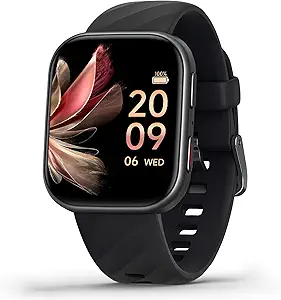 | Best for Broad Wellness Metrics | Health monitoring: Heart rate, blood pressure, sleep, and blood oxygen (SpO2) | Sport modes: 120+ | Connectivity: Bluetooth 5.0, Bluetooth calling, and music control | VIEW ON AMAZON | See Our Full Breakdown |
| smart health monitor | Water resistance | Connectivity | Compatibility | Battery life |
|---|---|---|---|---|
| Dario Gen-2 Blood Pressure Mon | — | Bluetooth | — | — |
| Zeacool Fitness Tracker | 5 ATM | — | iPhone and Android smartphones | 10–14 days active use; up to 30 days standby |
| iHealth Track Smart Upper Arm | — | Bluetooth 4.0 or higher | — | — |
| Fitness Tracker with 1.10" AMO | IP68 | Bluetooth and connected GPS | Android 5.0+ and iOS 9.0+ | Up to 7 days use; 15 days standby |
| MorePro Fitness Tracker with H | IP68 | — | Android 7.0+ and iOS 13.0+ | Up to 7 days normal use; up to 15 days standby |
| Withings BPM Connect | — | Wi-Fi and Bluetooth | — | — |
| MorePro Health Fitness Tracker | IP67 | Bluetooth | Android 7.0 or later and iOS 13.0 or later | Up to 7 days |
| prxxhri Smart Ring Health and | Stated up to 80 meters | — | iOS and Android, per product title | 2–3 days; over 5 days with smart charging case |
| OMRON Evolv Wireless Upper Arm | — | Bluetooth | — | — |
| Fitness Smartwatch with Heart | IP68 | — | — | — |
| Smartwatch with Bluetooth Call | IP68 | Bluetooth calling and smartphone notifications | iOS 9.0+ and Android 5.0+ | — |
| BIEMHA Smart Ring Health and F | 80 meters | — | iOS and Android | 2–3 days; over 5 days with smart charging case |
| FITVII Health & Fitness Tracke | IP67 | Bluetooth 5.0, Bluetooth calling, and music control | Android 7.0+ and iOS 13.0+ | Up to 7 days |
More Details on Our Top Picks
Dario Gen-2 Blood Pressure Monitor for Home Use with App and Carry Case
I’d choose the Dario Gen-2 when two people want a dedicated blood pressure device with room to keep a longer record at home. Its dual-user mode and 400-reading memory make it better suited to shared tracking than the iHealth Track, which stores 99 readings on the device before app syncing. Bluetooth adds a way to follow readings in the Dario app, while the back-lit display keeps results readable at the cuff. Irregular heartbeat detection is a useful alert, but it is not a cardiac diagnosis or a substitute for professional care. The tradeoff is a reliance on batteries, with no AC adapter included. Compared with wearable trackers such as the Zeacool, this is the more focused choice for blood pressure checks rather than a wider range of daily wellness metrics.
Pros:- Dual-user mode supports separate records for two people
- Stores up to 400 readings
- Bluetooth connectivity supports tracking in the Dario app
- Back-lit LCD and included carry case suit regular home use
Cons:- AC adapter is not included
- Requires batteries for operation
- Irregular heartbeat detection does not replace a professional cardiac examination
Best for: Two-person households that want a dedicated upper-arm blood pressure monitor with app-based tracking and substantial on-device memory
Not ideal for: Buyers who want an included wall adapter, or a wearable device that tracks several health and activity metrics throughout the day
- Display:Back-lit LCD screen
- Connectivity:Bluetooth
- Memory:Up to 400 records
- User mode:Dual user
- Detection:Irregular heartbeat detection
- Included:Carry case and batteries
- AC adapter:Not included
Our verdict“Choose the Dario Gen-2 if two people need a dedicated blood pressure monitor with generous memory and app tracking.”
Zeacool Fitness Tracker – 24/7 Heart Rate, Blood Oxygen & Blood Pressure Monitoring, Sleep Tracker, 5 ATM Waterproof, Step and Calorie Counter – Smartwatch for Women and Men
The Zeacool fitness tracker is the broadest wearable monitor in this group for people who want several wellness metrics on their wrist. It tracks heart rate, blood oxygen, blood pressure, temperature, and sleep, while 25 sport modes and a 5 ATM rating add everyday activity and swim use. Its vivid 1.10-inch AMOLED screen and claimed 10–14 days of active battery life make it more convenient for continuous wear than the seven-day MorePro tracker. That breadth comes with a clear limitation: these are wellness readings, not a replacement for a dedicated blood pressure cuff such as the Dario Gen-2 or iHealth Track. Full functionality also depends on setting up and using the companion app. I’d pick it for a single wrist-worn overview, but skip it if medically oriented blood pressure measurement is the main goal.
Pros:- Tracks several wellness measures, including heart rate, blood oxygen, blood pressure, temperature, and sleep
- AMOLED touch display presents data on the wrist
- Up to 10–14 days of active-use battery life
- 5 ATM water resistance and 25 sport modes support swimming and varied workouts
Cons:- Full functionality depends on the companion app
- Wearable blood pressure tracking does not provide the same focused monitoring role as an upper-arm cuff
Best for: Wearable-first users who want heart rate, sleep, blood oxygen, temperature, and activity tracking in one device
Not ideal for: People who need a dedicated blood pressure monitor or do not want to set up and rely on a smartphone companion app
- Display:1.10-inch AMOLED HD touchscreen
- Water resistance:5 ATM
- Battery life:10–14 days active use; up to 30 days standby
- Charging:Magnetic fast charging
- Compatibility:iPhone and Android smartphones
- Sensors:Heart rate, blood oxygen, blood pressure, temperature, and sleep
- Sport modes:25
Our verdict“Choose the Zeacool for a wearable overview of multiple wellness metrics, and choose a dedicated cuff if blood pressure is your priority.”
iHealth Track Smart Upper Arm Blood Pressure Monitor with Wide-Range Cuff
For buyers who want a dedicated monitoring device with a wide-fitting cuff and a phone-based history, the iHealth Track makes a strong case. Its upper-arm format and stated ESH 2010 performance standards set it apart from wrist-worn trackers such as the Zeacool, whose blood pressure feature is part of a broader wellness package. The included cuff fits arms from 8.7 to 16.5 inches, and Bluetooth app syncing allows unlimited data tracking in the app. On-device storage is more modest: it holds 99 readings, so anyone who wants a longer history will need to sync. The multi-color back-lit screen and automatic heart rhythm disturbance detection add useful at-a-glance information, though detection is not a diagnosis. Compared with the Dario Gen-2, the iHealth offers a stated cuff range and app history, but less built-in memory.
Pros:- Wide-range cuff fits upper arms from 8.7 to 16.5 inches
- Multi-color back-lit display is easy to read
- Bluetooth app supports unlimited data tracking
- Automatic heart rhythm disturbance detection
Cons:- On-device memory holds only 99 readings without app syncing
- Requires Bluetooth 4.0 or higher and specified iOS or Android versions
- Runs on four AAA batteries
Best for: People seeking a dedicated upper-arm blood pressure monitor with a wide-range cuff and app-based long-term tracking
Not ideal for: Buyers who need extensive readings stored on the device itself or whose phone does not meet the stated Bluetooth and operating-system requirements
- Type:Upper-arm blood pressure monitor
- Connectivity:Bluetooth 4.0 or higher
- App compatibility:iOS 12.0+ and Android 9.0+
- Cuff size:8.7–16.5 inches (22–42 cm) circumference
- Memory:99 readings on device; unlimited in app
- Power:Four AAA batteries
- Performance standard:ESH 2010
- Warranty:12 months
Our verdict“Choose the iHealth Track if you want a dedicated upper-arm cuff with a wide fit and a synced app history.”
Fitness Tracker with 1.10″ AMOLED Screen, Heart Rate, Blood Pressure, and Sleep Monitor
This tracker earns a distinct place for people who want HRV and breathing-rate tracking alongside heart rate, blood pressure, and sleep. Those extra metrics give it a different emphasis from the Zeacool, which lists temperature and blood oxygen, and the MorePro, which adds menstrual cycle tracking and a larger set of sport modes. The 1.10-inch AMOLED screen keeps the display compact while presenting health data clearly, and connected GPS can record routes when paired with a phone. Battery life is up to seven days, shorter than the Zeacool’s stated active-use span. Its IP68 rating suits everyday wear, but the health readings are for reference rather than medical-grade monitoring. I’d treat this as a general wellness companion, not as an alternative to the Dario or iHealth upper-arm devices for blood pressure checks.
Pros:- Includes HRV and breathing-rate tracking alongside heart rate, blood pressure, and sleep
- AMOLED touch display presents metrics on the wrist
- Connected GPS supports route tracking when paired with a smartphone
- IP68 water resistance suits daily wear
Cons:- Health readings are for reference and are not medical grade
- Battery life is up to seven days, shorter than the Zeacool’s stated active-use range
- Full functionality and GPS require a smartphone connection
Best for: Wellness-focused users who want HRV, breathing-rate, sleep, and heart-rate tracking in a compact smartwatch
Not ideal for: People seeking medical-grade blood pressure monitoring, longer battery life, or GPS use without a connected smartphone
- Display:1.10-inch AMOLED HD touch color screen
- Water resistance:IP68
- Battery life:Up to 7 days use; 15 days standby
- Charging time:2 hours
- Sports modes:25
- Compatibility:Android 5.0+ and iOS 9.0+
- Connectivity:Bluetooth and connected GPS
- Health features:Heart rate, blood pressure, sleep, HRV, and breathing rate
Our verdict“Choose this tracker for HRV and breathing-rate wellness data, but use a dedicated cuff when blood pressure monitoring is the priority.”
MorePro Fitness Tracker with Heart Rate, Blood Pressure, Blood Oxygen, and Sleep Monitoring
The MorePro fitness tracker is the activity-led pick for people who want a large choice of workout modes alongside everyday wellness tracking. Its 120-plus sport modes outnumber the 25 offered by the Zeacool and the other AMOLED tracker here, making it a better fit for users who want to browse more activity categories. It also covers heart rate, blood pressure, blood oxygen, sleep, and menstrual cycle tracking, plus phone notifications and practical controls. That wider feature set is paired with a stated battery life of up to seven days, rather than the Zeacool’s longer active-use claim. Like the other wrist trackers, its health monitoring is for wellness, not medical use; for dedicated blood pressure readings, the Dario Gen-2 or iHealth Track is the more appropriate tool. I’d skip it if app compatibility is a concern, since it does not work with PCs or tablets.
Pros:- Offers more than 120 sport modes
- Tracks heart rate, blood pressure, blood oxygen, sleep, and menstrual cycle
- Includes call and message notifications plus music and camera controls
- IP68 water resistance and up to seven days of normal-use battery life
Cons:- Health monitoring is stated to be for wellness, not medical use
- Not compatible with PCs or tablets
- Listed phone compatibility starts at Android 7.0+ and iOS 13.0+
Best for: Active users who want many sport modes alongside wrist-based wellness tracking and menstrual cycle features
Not ideal for: Buyers who need medical-use blood pressure monitoring or want to pair the tracker with a PC or tablet
- Sport modes:120+
- Water resistance:IP68
- Battery life:Up to 7 days normal use; up to 15 days standby
- Charging time:About 2 hours
- Watch faces:200+
- Compatibility:Android 7.0+ and iOS 13.0+
- Health tracking:Heart rate, blood pressure, blood oxygen, sleep, and menstrual cycle
- Smart features:Call, SMS, and app notifications; music and camera controls; weather, alarms, stopwatch, timer, and find my phone
Our verdict“Choose the MorePro for its extensive sport-mode selection and broad wrist tracking, while relying on a dedicated cuff for blood pressure monitoring.”
Withings BPM Connect – Blood Pressure Cuff, FDA-Cleared, Wi-Fi & Bluetooth
The Withings BPM Connect is the clearest fit here for buyers who need a dedicated home blood pressure monitor. Its FDA clearance and color-coded feedback make readings easier to interpret at the cuff, while Wi-Fi or Bluetooth sync keeps a record in the Health Mate app to share with a provider. Compared with the OMRON Evolv, it adds Wi-Fi and a rechargeable battery rated for up to six months, while the OMRON stores up to 100 readings on the device and detects irregular heartbeats. The tradeoff is that Withings does not list on-device history or irregular heartbeat detection in the supplied details, and full history requires a phone or tablet. The upper-arm cuff may also be a poor fit for some users. For a monitoring-device roundup, its focused purpose and automatic syncing make it a stronger choice than smartwatch-style blood pressure features.
Pros:- FDA-cleared for home blood pressure monitoring
- Color-coded feedback is visible on the device
- Wi-Fi and Bluetooth sync with the Health Mate app
- Rechargeable battery lasts up to six months
Cons:- A smartphone or tablet is needed to view the full data history
- Upper-arm cuff sizing may not fit every user
- Irregular heartbeat detection is not listed in the supplied product details
Best for: People who want a dedicated, app-connected upper-arm monitor for regular home blood pressure checks and sharing records with a healthcare provider
Not ideal for: Buyers who need readings stored and reviewed without a smartphone, irregular heartbeat alerts, or a cuff fit beyond the available upper-arm sizing
- Monitor type:Upper-arm blood pressure cuff
- Regulatory status:FDA-cleared
- Measurements:Blood pressure and heart rate
- Connectivity:Wi-Fi and Bluetooth
- App:Health Mate
- Battery:Rechargeable; up to six months between charges
- Warranty:2 years
Our verdict“Choose the Withings BPM Connect for dedicated, automatically synced home blood pressure tracking; pick the OMRON Evolv if irregular heartbeat detection and on-device storage matter more.”
MorePro Health Fitness Tracker Smart Watch with 24/7 Heart Rate Monitor
The MorePro Health Fitness Tracker combines everyday activity features with heart rate, blood pressure, blood oxygen, and sleep tracking, so it suits buyers who want several metrics on one wrist-worn device. Its 120-plus sport modes and call and message notifications give it a broader daily role than the Withings BPM Connect, which is purpose-built for blood pressure checks. That breadth has limits: the product details do not provide accuracy information for its blood pressure readings, so I would not choose it as a substitute for a dedicated cuff such as the OMRON Evolv. Up to seven days of battery life is practical for regular wear, but call and message features depend on a Bluetooth-connected phone. IP67 water resistance also rules out demanding water activities such as diving or surfing. It makes the most sense as a general fitness tracker with health metrics, not as a clinical monitoring device.
Pros:- Tracks heart rate, blood pressure, blood oxygen, sleep, and steps
- Offers more than 120 sports modes
- Battery life is rated up to seven days
- Supports call, message, and social app notifications
Cons:- Supplied details do not establish blood pressure accuracy
- Call and message features require a Bluetooth-connected phone
- IP67 water resistance is not suited to diving or surfing
Best for: Android or iPhone users who want wrist-based activity, sleep, and wellness tracking alongside sports modes and phone notifications
Not ideal for: People who need a dedicated, accuracy-documented blood pressure monitor or want to use their tracker for diving or surfing
- Compatibility:Android 7.0 or later and iOS 13.0 or later
- Connectivity:Bluetooth
- Water resistance:IP67
- Health tracking:Heart rate, blood pressure, blood oxygen, sleep, and steps
- Sport modes:More than 120
- Battery life:Up to 7 days
- Standby time:About 20 days
- Band:Silicone; 22 mm wide and 21.5 cm long
Our verdict“Choose the MorePro for broad wrist-based fitness and wellness tracking, but use a dedicated monitor such as the Withings BPM Connect for blood pressure checks.”
prxxhri Smart Ring Health and Fitness Tracker, Black, Size 12
The prxxhri Smart Ring is the low-profile option in this group for people who want sleep, activity, and periodic heart-rate tracking without wearing a watch. Its sensor measures heart rate every 30 minutes, a less frequent schedule than the MorePro Health Fitness Tracker’s stated 24/7 heart-rate monitoring. That makes the ring a better match for broad personal tracking than for watching changes continuously. Battery life is another tradeoff: the ring lasts two to three days on its own, though the charging case extends stated use to more than five days. The claimed water resistance to 80 meters and lack of an app subscription may appeal to buyers who want a simple wearable, but the listing gives little detail about data accuracy or app features. Size 12 also requires a careful finger fit, making it less flexible than an adjustable wrist band.
Pros:- Compact ring form tracks sleep, activity, and heart rate
- No app subscription is required
- Water resistance is stated to 80 meters
- Smart charging case extends stated use to over five days
Cons:- Heart rate is measured every 30 minutes rather than continuously
- Battery lasts only two to three days without the case
- Fixed size 12 requires measuring for fit before purchase
Best for: People who prefer a discreet wearable for sleep and activity tracking and are comfortable checking heart-rate trends periodically
Not ideal for: Buyers who need frequent heart-rate readings, detailed monitoring features, or an easy-to-adjust fit without measuring their finger
- Color:Black
- Size:12
- Tracking:Sleep, activity, and heart rate
- Heart-rate interval:Every 30 minutes
- Water resistance:Stated up to 80 meters
- Battery life:2–3 days; over 5 days with smart charging case
- Subscription:No app subscription required
- Compatibility:iOS and Android, per product title
Our verdict“Choose this ring for discreet, subscription-free sleep and activity tracking, while the MorePro watch is a better fit for frequent heart-rate checks and on-wrist notifications.”
OMRON Evolv Wireless Upper Arm Blood Pressure Monitor with ComFit Cuff
The OMRON Evolv is a strong pick for buyers who want a dedicated blood pressure device with a little more information available at the monitor. Its irregular heartbeat detection and storage for up to 100 readings set it apart from the Withings BPM Connect, whose supplied details emphasize color-coded feedback and longer rechargeable battery life. The Evolv’s one-piece design and easy-wrap cuff keep setup straightforward, while Bluetooth sends readings to OMRON Connect for longer-term tracking and links with Apple Health and Google Fit. It uses four AAA batteries instead of rechargeable power, and its cuff fits arms from 9 to 17 inches, so it may not suit every user. For buyers choosing a monitoring device rather than a general wellness watch, that focused setup and on-device reading history are more relevant than the MorePro tracker’s much wider exercise feature set.
Pros:- Uses Advanced Accuracy Technology and is described as clinically validated
- Detects irregular heartbeats
- Stores up to 100 readings on the device
- Bluetooth app sync supports OMRON Connect, Apple Health, and Google Fit
Cons:- Runs on four replaceable AAA batteries
- Cuff range is limited to arms measuring 9 to 17 inches
- Bluetooth is required for app-based long-term storage and trend tracking
Best for: People who want an upper-arm blood pressure monitor with irregular heartbeat detection, stored readings, and app-based trend tracking
Not ideal for: Users who want a rechargeable monitor or whose upper arm falls outside the stated 9-to-17-inch cuff range
- Monitor type:Wireless upper-arm blood pressure monitor
- Cuff size:9–17 inches
- Power:4 AAA batteries
- Connectivity:Bluetooth
- Device storage:Up to 100 readings
- Technology:Advanced Accuracy Technology
- Detection:Irregular heartbeat detection
- App compatibility:OMRON Connect, Apple Health, and Google Fit
Our verdict“Choose the OMRON Evolv if irregular heartbeat alerts and stored readings are priorities; the Withings BPM Connect suits buyers who prefer rechargeable power and Wi-Fi syncing.”
Fitness Smartwatch with Heart Rate, Blood Oxygen, Sleep Tracking, and 120+ Sports Modes
This fitness smartwatch combines common wellness metrics with a larger 1.58-inch display, more than 120 exercise modes, and route tracking through a connected phone. That makes it more workout-oriented than the prxxhri Smart Ring, which has a smaller form and measures heart rate every 30 minutes, while the watch can also show notifications and offer customizable faces. Its blood pressure tracking needs a careful qualification: the listing describes wrist monitoring but supplies no accuracy details. I would treat it as a general wellness feature, not a replacement for a dedicated upper-arm monitor such as the OMRON Evolv. GPS routes also depend on carrying a compatible phone, which reduces its appeal for phone-free workouts. The broad Android and iOS compatibility and IP68 rating add flexibility, but do not resolve those monitoring limits.
Pros:- Tracks heart rate, blood oxygen, blood pressure, sleep, steps, distance, and calories
- Supports more than 120 exercise modes
- Large 1.58-inch display with always-on clock and touch controls
- IP68 water resistance and broad stated phone compatibility
Cons:- Blood pressure tracking is wrist-based and has no supplied accuracy details
- GPS route tracking requires a connected phone
- Call and message notifications depend on pairing with a phone
Best for: Phone-carrying exercisers who want a large display, multiple workout modes, activity summaries, and wrist-based wellness tracking
Not ideal for: People seeking accuracy-documented blood pressure readings or GPS workout routes without bringing a phone
- Display:1.58-inch high-resolution touchscreen
- Health tracking:Heart rate, blood pressure, blood oxygen, and sleep stages
- Sports modes:More than 120
- Activity tracking:Steps, distance, and calories burned
- Water resistance:IP68
- Phone compatibility:Android 4.4 or later; iOS 8.4 or later
- GPS:Uses connected phone GPS for workout routes
- Watch faces:More than 250 options
Our verdict“Choose this watch for phone-connected workout and wellness tracking, but use a dedicated cuff such as the OMRON Evolv when blood pressure monitoring is the priority.”
Smartwatch with Bluetooth Calling, 1.83-Inch HD Display, IP68 Water Resistance, and 140+ Sports Modes
This smartwatch suits buyers who want a broad set of activity modes alongside everyday health monitoring. Its 1.83-inch screen gives notifications and tracked stats room to breathe, while Bluetooth calling adds a useful way to take calls from the wrist. Compared with the FITVII Health & Fitness Tracker, it offers more listed sports modes, but FITVII names blood oxygen and blood pressure tracking that this model does not. Heart rate, sleep, and activity data cover common wellness routines, though the supplied details do not describe measurement frequency or clinical validation. Five to seven days of typical battery life reduces charging interruptions, but actual runtime varies, and messages cannot be answered from the watch. I’d choose it for varied workouts and calls, not for medical monitoring.
Pros:- Supports more than 140 sports modes for users who switch between activities
- Tracks heart rate, sleep, and everyday activity
- Bluetooth calling and smartphone notifications add wrist-based convenience
- Typical use lasts 5–7 days per charge
Cons:- Messages cannot be answered from the watch
- Battery life varies with usage
- The listed health tracking does not include blood pressure or blood oxygen
Best for: Active users who want a large-screen watch for varied workouts, basic wellness tracking, and Bluetooth calls
Not ideal for: People who need blood oxygen or blood pressure tracking, or want to reply to messages from their watch
- Display:1.83-inch IPS touchscreen, 240 × 284 resolution
- Sports modes:140+
- Health tracking:Heart rate, sleep, steps, calories, distance, and breath rate
- Water resistance:IP68
- Battery:350 mAh; 5–7 days daily use, up to 30 days standby
- Connectivity:Bluetooth calling and smartphone notifications
- Compatibility:iOS 9.0+ and Android 5.0+
- Materials:ABS case and fluoroelastomer band
Our verdict“Choose this watch for broad workout-mode coverage and calling, while the FITVII is a better fit if blood pressure and SpO2 tracking matter more.”
BIEMHA Smart Ring Health and Fitness Tracker, Rose Gold, Size 10
The BIEMHA ring is the most discreet option here for people who want sleep and activity tracking without wearing a screen on their wrist. It records heart rate every 30 minutes, so its monitoring cadence is less frequent than the continuous heart-rate tracking described for the FITVII Health & Fitness Tracker. That makes it better suited to broad wellness patterns than close, moment-to-moment checks. Its 80-meter water resistance and lack of an app subscription add everyday flexibility, while the charging case can stretch use beyond five days. Without the case, expect only two to three days between charges. The fixed size 10 is another practical constraint: buyers should measure carefully, since a poor fit can make a ring awkward to wear and less useful as a monitor.
Pros:- Compact ring form avoids wearing a watch during sleep
- Tracks heart rate, sleep duration, and activity
- No app subscription is required
- Water resistance is rated to 80 meters, and the charging case extends use beyond five days
Cons:- Heart-rate readings are collected only every 30 minutes
- Battery lasts 2–3 days without the smart charging case
- Size 10 may not fit, so finger measurement and the size chart matter
Best for: People who prefer a low-profile ring for sleep and general activity tracking and want to avoid an app subscription
Not ideal for: Buyers who want frequent heart-rate readings, built-in GPS, or a device that does not require careful size matching
- Form and size:Smart ring, size 10
- Color:Rose Gold
- Metrics:Heart rate, sleep duration, and activity
- Heart-rate cadence:Readings every 30 minutes
- Water resistance:80 meters
- Battery life:2–3 days; over 5 days with smart charging case
- GPS:No
- Subscription:None required
- Compatibility:iOS and Android
Our verdict“Pick the BIEMHA for discreet, subscription-free wellness tracking, but choose the FITVII if you want more frequent wrist-based health monitoring.”
FITVII Health & Fitness Tracker with Bluetooth Calling
Among these three, the FITVII lists the widest range of health measures: heart rate, blood pressure, sleep, and blood oxygen. That makes it the stronger choice over the BIEMHA ring for buyers who want several wellness indicators gathered on one wrist device, though the ring is smaller and tracks heart rate on a stated 30-minute schedule. The FITVII also brings Bluetooth calling, music control, and more than 120 sport modes, so it can serve as an activity companion as well as a monitor. Its seven-day maximum battery claim is useful, but IP67 is not a license for diving or surfing. The listed health metrics are for lifestyle encouragement, not medical use, so anyone relying on dependable clinical readings should look to dedicated options such as the Withings BPM Connect for blood pressure measurement.
Pros:- Lists heart rate, blood pressure, sleep, and blood oxygen monitoring
- Bluetooth calling and music control add everyday wrist functions
- More than 120 sport modes support varied activity tracking
- Battery life is listed at up to seven days
Cons:- Health metrics are intended for lifestyle encouragement, not medical use
- IP67 water resistance does not suit diving or surfing
- Does not work with PCs or tablets
Best for: Android 7.0+ or iOS 13.0+ users who want wrist-based wellness metrics, workout modes, and Bluetooth calling in one tracker
Not ideal for: People who need medical-grade readings, want to use the tracker for diving or surfing, or need compatibility with a PC or tablet
- Health monitoring:Heart rate, blood pressure, sleep, and blood oxygen (SpO2)
- Sport modes:120+
- Connectivity:Bluetooth 5.0, Bluetooth calling, and music control
- Water resistance:IP67
- Battery life:Up to 7 days
- Compatibility:Android 7.0+ and iOS 13.0+
- Wrist size:5.71–8.86 inches
- Additional features:Sedentary and water reminders, menstrual tracking, weather, calculator, and camera control
Our verdict“Choose the FITVII for a broad set of lifestyle metrics and calling, but rely on a dedicated monitor such as the Withings BPM Connect for blood pressure readings.”
How We Picked
I ranked these smart health monitors by how clearly each product supports its stated monitoring purpose, how practical it appears for regular home or daily use, and how its design fits different buyers. For blood pressure devices, I gave more weight to a dedicated upper-arm cuff and stated clearance or validation details than to a wearable feature list. For rings and fitness trackers, I considered the breadth of tracking, wearability, display and connectivity features, and the limits buyers should verify before relying on health readings.
The order reflects monitoring usefulness first, then convenience, versatility, and likely fit for a specific buyer. Connected cuffs rank ahead for people seeking a focused blood pressure device; wearables rank higher when their broader activity and sleep functions match the buyer’s goals. Product names and feature descriptions alone cannot establish measurement accuracy, so I treat unverified wearable readings as wellness information and advise checking the maker’s documentation before using them for health decisions.
| smart health monitor | Connectivity |
|---|---|
| Dario Gen-2 Blood Pressure Mon | Bluetooth |
| Zeacool Fitness Tracker | — |
| iHealth Track Smart Upper Arm | Bluetooth 4.0 or higher |
| Fitness Tracker with 1.10" AMO | Bluetooth and connected GPS |
| MorePro Fitness Tracker with H | — |
| Withings BPM Connect | Wi-Fi and Bluetooth |
| MorePro Health Fitness Tracker | Bluetooth |
| prxxhri Smart Ring Health and | — |
| OMRON Evolv Wireless Upper Arm | Bluetooth |
| Fitness Smartwatch with Heart | — |
| Smartwatch with Bluetooth Call | Bluetooth calling and smartphone notifications |
| BIEMHA Smart Ring Health and F | — |
| FITVII Health & Fitness Tracke | Bluetooth 5.0, Bluetooth calling, and music control |
Factors to Consider When Choosing Smart Health Monitors
Choosing among these devices starts with the measurement you need and the role you expect the device to play. I would match the monitoring method, fit, and data workflow to that purpose before comparing extra features.
Start With the Health Metric You Need
Decide whether you need blood pressure readings, general activity trends, sleep information, or a combination. A dedicated upper-arm cuff is a more direct match for routine blood pressure checks than a watch or ring that lists blood pressure among many features. For any health metric that may affect care, check whether the specific device and measurement method have suitable validation or clearance in your region. A long feature list does not tell you whether the readings are accurate enough for that purpose. If you already have a clinician’s instructions, confirm that the device method fits them. Choose broad wearable tracking when your goal is habit awareness rather than clinical monitoring.
Check Fit Before You Commit
Fit affects whether a monitor is comfortable enough to use consistently and whether its readings can be taken as directed. With a cuff, compare the stated arm circumference range with your measurement; a cuff that does not fit correctly can make readings less useful. With a ring, follow the maker’s sizing process and check its exchange policy before selecting a size. Wrist wearables also need a secure but comfortable fit for sensors to sit properly. Buyers often focus on the device body and overlook the part that touches them every day. A little time spent measuring can prevent an otherwise capable monitor from becoming a drawer item.
Treat App and Sync Features as Part of the Device
App access determines how easily you can review trends, export records, or share measurements with someone else. Check phone compatibility, account requirements, and whether the monitor needs the phone nearby for each sync. Wi-Fi can make home cuff readings easier to share across devices, while Bluetooth may be sufficient if you keep your phone close. Find out whether core readings remain available if you stop using a subscription or change phones. Also consider who can access the account and how the maker handles stored health data. A simple sync process often matters more to regular use than extra smartwatch functions.
Separate Wellness Trends From Clinical Readings
Wearables can help you notice patterns in activity or sleep, but the presence of a health metric in an app does not make it a diagnostic measurement. Look for the exact model’s supporting documentation rather than relying on a general claim about a product family. For blood pressure, use a device and technique recommended for your situation, and follow its instructions for posture, rest, and repeat readings. Avoid changing medication or delaying care based on a consumer wearable estimate. If readings differ from a clinical device or symptoms concern you, discuss the discrepancy with a health professional. This distinction helps prevent convenient tracking from being mistaken for medical oversight.
Choose Extras You Will Actually Use
Displays, sports modes, waterproofing, calling, and sleep tracking can make a wearable more useful in daily routines. They also add complexity and may distract from the reason you wanted a monitor in the first place. Ask whether you will check data on the device itself or mainly in an app, and whether you need calls or just health summaries. For a ring, its unobtrusive shape may matter more than a screen; for a cuff, repeatable measurements may matter more than lifestyle features. Review charging needs and care instructions before buying, since frequent charging or special maintenance can interrupt tracking. Pay for extras when they solve a real routine problem, not simply because the specification list is longer.
Frequently Asked Questions
Can I use a fitness tracker or smartwatch instead of a blood pressure cuff?
Only if the specific device is validated for the blood pressure use you have in mind and its instructions match your needs. Many watches and trackers list blood pressure monitoring, but that label alone does not establish clinical accuracy. A dedicated upper-arm cuff is the more direct choice for routine home readings when a cuff is appropriate for you. Ask a health professional which device type to use if the readings will inform care. Do not use a wearable estimate to change treatment without guidance.
Which type of monitor makes the most sense if I mainly need home blood pressure readings?
Start with a dedicated upper-arm cuff whose cuff range fits your arm and whose validation or clearance details you can confirm. In this group, Withings BPM Connect, OMRON Evolv, iHealth Track, and Dario Gen-2 are the focused cuff options. Compare their cuff design, app connection, and how you plan to store or share readings. A wearable may add activity and sleep data, but that broader coverage does not make it a substitute for a suitable cuff. Follow the device instructions and any advice from your clinician.
Is Wi-Fi worth choosing over Bluetooth for a home monitor?
Wi-Fi can be useful if you want readings to sync without having your phone nearby, especially in a shared household or when records need to be available on more than one device. Bluetooth is often adequate when you take readings with your phone at hand and prefer a simpler setup. Check whether the app requires an account and whether you can export readings before choosing based on connectivity alone. A reliable measurement routine matters more than having both connection types. If you are unsure, choose the connection that fits where and how you will take readings.
Should I choose a smart ring or a fitness tracker for everyday monitoring?
A ring is a good fit if you prefer a compact device without a prominent screen, while a fitness tracker offers a display and easier access to activity features. Rings require careful sizing, and a poor fit can make wearing and sensor contact less comfortable. Trackers may be more convenient for checking notifications or workout details, though they can feel bulkier during sleep. For either form, verify which metrics are supported and how the maker describes their accuracy. Pick the shape you are most likely to wear consistently, and treat health estimates according to their evidence.
What should I check before buying a monitor for an older relative?
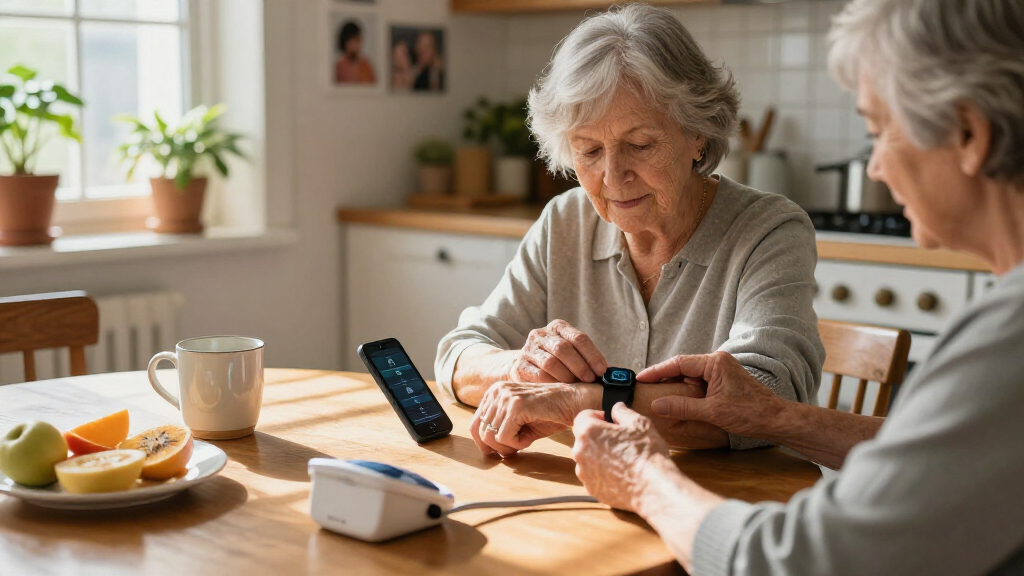
Prioritize a clear measurement process, a cuff or wearable that fits comfortably, and an app or display the person can use without regular troubleshooting. If blood pressure is the goal, look at the cuff size range and whether readings can be shared with a caregiver. Consider whether Wi-Fi syncing removes a step or creates a setup burden in that household. Ask the intended user to try the controls when possible, since a complicated interface can undermine consistent use. Confirm with their clinician that the device type suits the monitoring plan.
Conclusion
For focused home blood pressure tracking, I would start with Withings BPM Connect as the best overall connected monitor, while OMRON Evolv is the best premium-style alternative for buyers drawn to an integrated cuff design. iHealth Track is a practical value-oriented cuff option for someone who wants a straightforward upper-arm device, and the Dario Gen-2 may suit buyers who value a carry case and app-based use. For beginners who want broad everyday tracking rather than clinical blood pressure readings, the Zeacool Fitness Tracker is an accessible starting point among the wearables. Choose a smart ring such as prxxhri or BIEMHA when compact wear matters most, and pick a calling or sports-focused watch only if those functions match your routine; for medical monitoring, verify each device’s evidence and consult a health professional.
Cold & flu season Picks
humidifiers
As an affiliate, we earn on qualifying purchases.