
For 3D and simulation on a Mac, my best overall pick is the 16-inch MacBook Pro with M5 Max, 40-core GPU, and 128GB unified memory: it pairs a capable graphics configuration with room for larger scenes and workloads. The M5 Pro 16-inch with 48GB memory is a more balanced choice for artists whose work does not need Max-class graphics, while the Mac Studio with M5 Max suits buyers who want a desktop setup. The main tradeoffs are GPU capacity, memory headroom, portability, and the limits of software optimized for Apple silicon. Read on for how the 13 configurations differ and which one fits your work.

Give the gift of listening to someone you love
- Choose a 1-, 3-, 6- or 12-month membership
- They pick the audiobooks they love
- Easy to send by email
Complete the kit


Key Takeaways
- The 16-inch M5 Max with 128GB memory leads for demanding scenes and memory-heavy simulation, while the M5 Pro models make more sense when workloads are lighter.
- Two 128GB M5 Max configurations have similar core specs; their listed SSD capacities differ, so storage needs can be a deciding factor rather than GPU performance.
- The 14-inch M5 Max trades some portability comfort for a high-performance chip, but its 36GB memory is a tighter fit for large scenes than the 16-inch 128GB options.
- The 16-inch M5 Pro with 48GB memory is a practical middle ground for creators who need more working room than entry configurations but do not need the largest GPU tier.
- The M3 Pro and renewed M4 Max are specialist value alternatives: they may suit lighter or budget-conscious workflows, but buyers should weigh older hardware, memory limits, and renewed condition.





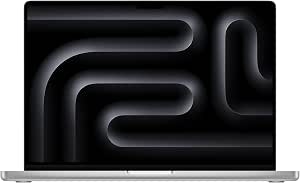
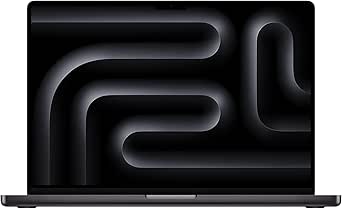


| mac pro for 3d and simulation | Display | Storage | GPU | Ports |
|---|---|---|---|---|
| Apple 2026 MacBook Pro Laptop | 14.2-inch Liquid Retina XDR | 1TB SSD | 16-core GPU | Thunderbolt 5, HDMI, SDXC, MagSafe 3 |
| Apple 2026 MacBook Pro 14-inch | 14.2-inch Liquid Retina XDR, up to 1600 nits peak brightness | 1TB SSD | 10-core GPU | 3 Thunderbolt 5, MagSafe 3, HDMI, SDXC, headphone jack |
| Apple 2026 MacBook Pro Laptop | 16.2-inch Liquid Retina XDR | 1TB SSD | 20-core GPU | 3 Thunderbolt 5, MagSafe 3, SDXC, HDMI, headphone jack |
| Apple MacBook Pro 16.2-inch wi | 16.2-inch Liquid Retina XDR, 3456 × 2234 pixels, 120Hz | 1TB SSD as stated in the product title; supplied description also flags conflicting storage information | 40-core | — |
| Apple Mac Studio Desktop Compu | — | — | — | 4 Thunderbolt 5, 2 USB-C, 2 USB-A, HDMI, SDXC, headphone jack |
| Apple MacBook Pro Laptop with | 16.2-inch Liquid Retina XDR | 2TB SSD | 40-core | Three Thunderbolt 5, MagSafe 3, SDXC, HDMI, headphone jack |
| Apple 16.2-Inch MacBook Pro wi | 16.2-inch Liquid Retina XDR | 1TB SSD | 20-core | Three Thunderbolt 5, MagSafe 3, SDXC card slot, HDMI, headphone jack |
| Apple MacBook Pro 16.2-inch wi | 16.2-inch Liquid Retina XDR | 4TB SSD | 40-core | — |
| Apple MacBook Pro 14.2-inch wi | 14.2-inch Liquid Retina XDR | 2TB SSD | 32-core | Three Thunderbolt 5, MagSafe 3, SDXC, HDMI, headphone jack |
| Apple 16-Inch MacBook Pro Lapt | 16-inch Retina display | 2TB SSD | 40-core | — |
| Apple MacBook Pro 16.2-inch La | 16.2-inch Liquid Retina XDR | 2TB SSD | 40-core | 3x Thunderbolt 5, MagSafe 3, HDMI, SDXC card slot, headphone jack |
| Apple 2024 MacBook Pro Laptop | 14-inch Liquid Retina XDR | 1TB SSD | — | Three Thunderbolt 5, MagSafe 3, SDXC, HDMI, headphone jack |
| Apple 2023 MacBook Pro 16-inch | 16.2-inch Liquid Retina XDR, 3456 x 2234 pixels | 512GB SSD | — | — |
More Details on Our Top Picks
Apple 2026 MacBook Pro Laptop with M5 Pro Chip, 14.2-inch Liquid Retina XDR Display, 24GB RAM, 1TB SSD, Wi-Fi 7, Silver
The 14-inch M5 Pro MacBook Pro is the portability-first choice here for 3D artists who need more GPU headroom than a standard M5 laptop while still working away from a desk. Its 16-core GPU can help with viewport work and supported GPU-accelerated tasks, while the XDR screen offers a compact, high-contrast surface for modeling and reviewing renders. Compared with the 16-inch M5 Pro MacBook Pro with 48GB memory, this version is easier to carry but has half the listed memory, a meaningful limit for large scenes, simulation caches, or several creative apps open at once. The 1TB SSD gives projects room to travel, though active simulation data can fill it quickly. I’d choose it for mobile work, not as a substitute for a high-memory desktop renderer.
Pros:- M5 Pro with a 16-core GPU gives it more graphics capacity than the standard M5 configuration in this roundup.
- 14.2-inch Liquid Retina XDR display combines a detailed mobile workspace with high contrast.
- 1TB SSD provides useful local capacity for project files and working assets.
- Thunderbolt 5, HDMI, and SDXC support flexible desk and media connections.
Cons:- 24GB unified memory can constrain large scenes, simulation datasets, and multitasking.
- A 14-inch screen offers less room for node graphs and timelines than the 16.2-inch models.
- The supplied battery information does not specify runtime under sustained 3D or simulation loads.
Best for: 3D generalists and technical artists who travel between studios and need an M5 Pro laptop for moderate scenes, previews, and supported GPU workloads.
Not ideal for: Simulation specialists handling large memory-bound models or heavy caches; the 24GB unified memory is a tighter ceiling than the 48GB in the 16-inch M5 Pro model.
- Processor:Apple M5 Pro, 15-core CPU
- GPU:16-core GPU
- Display:14.2-inch Liquid Retina XDR
- Unified memory:24GB
- Storage:1TB SSD
- Wireless:Wi-Fi 7, Bluetooth 6
- Ports:Thunderbolt 5, HDMI, SDXC, MagSafe 3
- Weight:3.52 pounds
Our verdict“Choose this compact M5 Pro when mobility matters more than the larger memory pool and workspace of the 16-inch M5 Pro.”
Apple 2026 MacBook Pro 14-inch Laptop with M5 Chip (10-Core CPU, 10-Core GPU), 32GB Unified Memory, 1TB SSD – Silver
This standard M5 MacBook Pro makes a case for buyers whose 3D work is limited more by memory capacity than by peak GPU throughput. Its 32GB unified memory exceeds the 24GB in the 14-inch M5 Pro model, which can help when keeping a scene, reference material, and other apps active together. But the tradeoff is clear: the 10-core GPU is a step below the M5 Pro options, so complex viewport scenes and GPU-heavy rendering are less compelling targets. The 14.2-inch XDR display and broad port selection keep it practical as a mobile workstation, while the 1TB SSD suits a working project library rather than an extensive simulation archive. Compared with the 16-inch M4 Max, it favors a less graphics-intensive workload over stronger GPU capacity and a larger canvas.
Pros:- 32GB unified memory gives more room for multitasking than the 24GB 14-inch M5 Pro configuration.
- 14.2-inch Liquid Retina XDR display is suitable for portable modeling and asset review.
- Three Thunderbolt 5 ports plus HDMI and SDXC simplify connecting displays and peripherals.
- Wi-Fi 7 supports fast wireless access to shared project resources.
Cons:- The 10-core GPU has less graphics capacity than the M5 Pro and M4 Max models listed here.
- A 14.2-inch panel provides less workspace than the 16.2-inch laptops.
- The 1TB SSD may be restrictive for large local asset libraries and simulation caches.
Best for: Students, technical artists, and 3D generalists running moderate scenes who value 32GB of unified memory and a portable 14-inch system.
Not ideal for: GPU renderers and simulation professionals whose workloads benefit from a higher-core GPU or routinely exceed the capacity of a mobile system.
- Processor:Apple M5, 10-core CPU
- GPU:10-core GPU
- Display:14.2-inch Liquid Retina XDR, up to 1600 nits peak brightness
- Unified memory:32GB
- Storage:1TB SSD
- Weight:3.41 pounds
- Wireless:Wi-Fi 7, Bluetooth 6
- Ports:3 Thunderbolt 5, MagSafe 3, HDMI, SDXC, headphone jack
Our verdict“Pick this M5 model for moderate 3D work that benefits from 32GB memory, but favor an M5 Pro or M4 Max for GPU-heavy rendering.”
Apple 2026 MacBook Pro Laptop with M5 Pro Chip, 16.2-inch Liquid Retina XDR Display, 48GB RAM, 1TB SSD, Wi-Fi 7, Silver
For a buyer who needs to model and simulate away from a workstation, this 16-inch M5 Pro MacBook Pro is the most balanced fit in the group. The 18-core CPU, 20-core GPU, and 48GB unified memory give it a broader working range than the 14-inch M5 model, especially when a scene, cache, and supporting tools must stay in memory together. Its 16.2-inch XDR display also leaves more room for viewports and timelines. Compared with the M4 Max MacBook Pro, it has a newer listed chip generation but fewer GPU cores, so buyers focused on maximum graphics throughput may prefer the M4 Max’s 40-core GPU. The 1TB SSD is the main capacity compromise: simulation data and large asset libraries may need external storage. At 4.71 pounds, this is a capable mobile machine, not a light travel companion.
Pros:- 48GB unified memory offers more room for demanding scenes and simulation workloads than the 14-inch options.
- 20-core GPU and 18-core CPU provide a strong balance for mixed creative and technical work.
- 16.2-inch Liquid Retina XDR display gives more usable space for viewports, timelines, and tools.
- Thunderbolt 5, HDMI, SDXC, and Wi-Fi 7 support a flexible workstation setup.
Cons:- At 4.71 pounds, it is heavier to carry than either 14-inch MacBook Pro.
- The 1TB SSD may not hold extensive simulation caches or large asset libraries.
- Its 20-core GPU has fewer cores than the 40-core GPU in the listed M4 Max MacBook Pro.
Best for: Professional 3D artists and simulation users who need substantial memory, a large built-in display, and strong performance in a laptop.
Not ideal for: Frequent travelers prioritizing low carry weight, or GPU renderers who would benefit more from the 40-core GPU in the M4 Max model.
- Processor:Apple M5 Pro, 18-core CPU
- GPU:20-core GPU
- Display:16.2-inch Liquid Retina XDR
- Unified memory:48GB
- Storage:1TB SSD
- Wireless:Wi-Fi 7, Bluetooth 6
- Ports:3 Thunderbolt 5, MagSafe 3, SDXC, HDMI, headphone jack
- Battery life:Described as all-day; runtime under sustained 3D workloads is not specified
Our verdict“Choose this 16-inch M5 Pro for a capable mobile 3D workstation with 48GB memory, unless maximum GPU throughput matters more than its balanced configuration.”
Apple MacBook Pro 16.2-inch with M4 Max, 16-Core CPU, 40-Core GPU, 48GB RAM, 1TB SSD (Late 2024, Space Black)
The standout here is the 40-core GPU: this 16-inch M4 Max MacBook Pro targets artists whose laptop work leans heavily on GPU-accelerated rendering or dense interactive scenes. It has the same listed 48GB unified memory and 1TB SSD as the 16-inch M5 Pro, but its GPU core count is twice as high, making it the more graphics-focused configuration on paper. That does not make it an automatic winner for every 3D workflow; software support and workload behavior matter, and the M5 Pro is the newer chip generation. The 16.2-inch 120Hz XDR display and support for up to four external displays suit a fixed studio setup as well as mobile work. Its 2.15kg weight and Wi-Fi 6E, rather than Wi-Fi 7, are compromises beside newer models.
Pros:- 40-core GPU is the strongest listed graphics configuration among these laptop picks.
- 48GB unified memory supports demanding scenes and multitasking.
- 16.2-inch 3456 × 2234 XDR display has a 120Hz refresh rate and up to 1600 nits peak brightness.
- Three Thunderbolt 5 ports, HDMI, and support for up to four external displays suit a multi-screen studio.
Cons:- At 2.15kg, it is less convenient to carry than the 14-inch MacBook Pro models.
- Wi-Fi 6E and Bluetooth 5.3 are older wireless specifications than the Wi-Fi 7 and Bluetooth 6 options listed on newer models.
- The supplied product information contains conflicting storage-capacity details, so the exact configuration needs verification.
Best for: 3D artists who need a laptop and prioritize GPU-heavy rendering or viewport work over having the newest listed chip generation.
Not ideal for: Buyers who want a lighter travel laptop, Wi-Fi 7, or the newer M5 Pro platform; also check the exact configuration before purchase because the supplied storage information is inconsistent.
- Chip:Apple M4 Max
- CPU:16-core
- GPU:40-core
- Unified memory:48GB
- Storage:1TB SSD as stated in the product title; supplied description also flags conflicting storage information
- Display:16.2-inch Liquid Retina XDR, 3456 × 2234 pixels, 120Hz
- Wireless:Wi-Fi 6E, Bluetooth 5.3
- Weight:2.15kg
Our verdict“Choose this M4 Max when GPU-heavy laptop work is the priority, but verify the storage configuration and accept its extra weight and older wireless standards.”
Apple Mac Studio Desktop Computer with M5 Max
Unlike the MacBook Pros, the Mac Studio with M5 Max is designed to stay at a desk, where its compact enclosure, quiet thermal system, and desktop connections make it a better foundation for longer creative sessions. Its up to 128GB unified memory and up to 614GB/s memory bandwidth point toward larger scenes and simulation workloads, while support for up to five external displays helps build a broad visualization setup. That flexibility has a key caveat: the supplied data lists maximum memory, not the configuration of this specific unit, and does not state its storage capacity. Compared with the 16-inch M4 Max MacBook Pro, it trades built-in screen and battery mobility for a desktop form and higher stated memory ceiling. I’d shortlist it for a permanent studio, but confirm the actual memory and SSD configuration first.
Pros:- M5 Max platform is aimed at demanding creative and AI workflows.
- Up to 128GB unified memory and 614GB/s memory bandwidth support larger working sets in suitable configurations.
- Supports up to five external displays for broad visualization and production setups.
- Compact dimensions, quiet thermal system, and a wide selection of ports suit a permanent studio desk.
Cons:- The listed 128GB is a maximum, not a confirmed memory configuration for this specific product.
- No storage capacity is specified, making it difficult to judge its readiness for large local project libraries.
- It has no built-in display or battery, unlike the MacBook Pro alternatives.
Best for: Studio-based 3D teams and simulation artists who want a compact desktop, plan to connect their own displays, and can select or verify a high-memory configuration.
Not ideal for: Artists who need a built-in display, battery-powered work, or a clearly specified memory and storage configuration without checking the listing.
- Chip:Apple M5 Max
- Maximum unified memory:Up to 128GB; specific configuration not stated
- Memory bandwidth:Up to 614GB/s
- External displays:Up to five
- Ports:4 Thunderbolt 5, 2 USB-C, 2 USB-A, HDMI, SDXC, headphone jack
- Wireless:Wi-Fi 7, Bluetooth 6
- Dimensions:7.76 × 7.76 × 3.74 inches
- Weight:5.94 pounds
Our verdict“Choose the Mac Studio as a studio-centered base for demanding 3D work only after confirming the unit’s actual memory and storage configuration.”
Apple MacBook Pro Laptop with M5 Max, 16.2-inch Display, 64GB RAM, 2TB SSD, Silver
I’d choose this configuration for 3D artists who need a powerful mobile workstation but don’t need the maximum memory capacity in this group. Its 18-core CPU and 40-core GPU give it the same listed core counts as the 128GB M5 Max models, while 64GB of unified memory and a 2TB SSD provide a more measured fit for large scenes, simulation projects, and working files. Compared with the 48GB M5 Pro MacBook Pro, it offers a substantially stronger GPU configuration and more memory headroom. The tradeoff is that the 128GB M5 Max options are better suited to exceptionally large scenes or memory-heavy workflows, and this 16.2-inch model is less convenient to carry than the 14.2-inch M5 Max. The XDR display and broad port selection also suit desk-based work away from a fixed desktop.
Pros:- 18-core CPU and 40-core GPU suit demanding 3D and simulation workloads
- 64GB unified memory offers substantial room for multitasking and larger projects
- 2TB SSD provides space for project files and working assets
- 16.2-inch Liquid Retina XDR display and varied ports support a capable mobile workstation setup
Cons:- Less memory headroom than the 128GB M5 Max configurations for very large scenes
- The 16.2-inch chassis is less portable than the 14.2-inch M5 Max model
- The supplied product data does not specify a battery-life duration
Best for: 3D professionals who move between work locations and run demanding scenes or simulations, but whose projects do not routinely require 128GB of memory.
Not ideal for: Artists working with exceptionally large scenes, caches, or datasets that routinely exceed 64GB, or travelers prioritizing a smaller, lighter laptop.
- Processor:Apple M5 Max, 18-core CPU
- GPU:40-core
- Display:16.2-inch Liquid Retina XDR
- Memory:64GB unified memory
- Storage:2TB SSD
- Ports:Three Thunderbolt 5, MagSafe 3, SDXC, HDMI, headphone jack
- Wireless:Wi-Fi 7, Bluetooth 6
Our verdict“I’d pick this for mobile 3D work that needs M5 Max graphics and generous memory without stepping up to a 128GB configuration.”
Apple 16.2-Inch MacBook Pro with M5 Pro, 18-Core CPU, 20-Core GPU, 48GB Memory, and 1TB SSD (Space Black)
This 16.2-inch MacBook Pro is the sensible choice when 3D work shares time with modeling, coding, and other CPU-heavy tasks, but does not demand the strongest GPU in the group. Its 18-core M5 Pro CPU and 48GB memory provide a capable base for complex applications and multitasking, while the 20-core GPU sits below the 32- and 40-core M5 Max options. That difference makes this a less convincing fit for GPU-intensive rendering or simulation than the 16-inch M5 Max models, but it may suit creators who need a large XDR screen without prioritizing maximum graphics throughput. The 1TB SSD is also more limited than the 2TB and 4TB configurations here, so external project storage may become part of the setup.
Pros:- 18-core M5 Pro CPU supports demanding creative and development work
- 48GB unified memory accommodates substantial multitasking
- 16.2-inch Liquid Retina XDR display gives ample room for modeling interfaces
- Thunderbolt 5, HDMI, and SDXC provide flexible peripheral connections
Cons:- 20-core GPU trails the M5 Max configurations for GPU-intensive rendering and simulation
- 1TB SSD offers less project-storage capacity than several other picks
- At 4.71 pounds, it is a substantial laptop to carry
Best for: 3D modelers, technical artists, and developers who value a large display and strong CPU performance but run moderate rather than GPU-dominant workloads.
Not ideal for: GPU-rendering specialists or simulation users who need the greatest graphics capacity and more local storage for large assets.
- Chip:Apple M5 Pro
- CPU:18-core
- GPU:20-core
- Display:16.2-inch Liquid Retina XDR
- Memory:48GB unified memory
- Storage:1TB SSD
- Weight:4.71 pounds
- Ports:Three Thunderbolt 5, MagSafe 3, SDXC card slot, HDMI, headphone jack
Our verdict“I’d choose this when CPU-heavy creative work and a large display matter more than the higher GPU capacity of an M5 Max.”
Apple MacBook Pro 16.2-inch with M5 Max, 18-core CPU, 40-core GPU, 128GB Memory, 4TB SSD, Space Black
For scenes and simulations that put memory capacity ahead of portability, this is the most fully equipped option in the batch. The 128GB unified memory gives large projects more room to operate than the 64GB M5 Max model, while the 4TB SSD can hold more local assets and working files than the 2TB configurations. Its 18-core CPU and 40-core GPU match the listed core counts of the other 16-inch M5 Max picks, so the case for this version is capacity—not a higher stated core count. Compared with the 128GB, 2TB model, it doubles the listed storage but comes with a stated weight of 8.2 pounds, making frequent travel a notable compromise. I’d favor it for a mobile workstation that often stays planted at a desk.
Pros:- 128GB unified memory gives large scenes and data-heavy workflows more working room
- 4TB SSD stores more project assets locally than the 2TB options
- 18-core CPU and 40-core GPU target demanding professional workloads
- Three Thunderbolt 5 ports, HDMI, and SDXC support varied workstation accessories
Cons:- Listed weight of 8.2 pounds makes it a poor fit for frequent commuting
- Its CPU and GPU core counts match the other 16-inch M5 Max options rather than exceeding them
- The 16.2-inch size is less convenient for compact travel setups
Best for: Technical artists, visualization specialists, and simulation professionals whose large scenes or datasets benefit from 128GB memory and 4TB of local storage.
Not ideal for: Frequent travelers or buyers whose scenes fit comfortably within 64GB and who would rather carry a lighter system.
- Processor:Apple M5 Max, 18-core CPU
- GPU:40-core
- Display:16.2-inch Liquid Retina XDR
- Memory:128GB unified memory
- Storage:4TB SSD
- Weight:8.2 pounds
- Camera:12MP Center Stage
- Wireless:Wi-Fi 7, Bluetooth 6
Our verdict“I’d choose this for large, memory-hungry 3D and simulation projects that benefit from 128GB RAM and 4TB storage more than portability.”
Apple MacBook Pro 14.2-inch with M5 Max, 18-core CPU, 32-core GPU, 36GB Memory, and 2TB SSD
This is the portability-first M5 Max choice: it puts an 18-core CPU and 32-core GPU in a 14.2-inch chassis, with 2TB of storage for project files. Compared with the 16.2-inch M5 Max models, it has a smaller screen and a lower listed GPU core count, so I’d expect it to be less suited to extended, GPU-heavy work or large scenes that need more memory. Its 3.59-pound weight and compact dimensions make it easier to carry between a studio, classroom, or client site than the 16-inch alternatives. The 36GB unified memory is the clearest limit for simulation workloads that keep extensive data in memory; the 48GB M5 Pro model offers more memory, though its GPU has fewer listed cores. This pick favors mobility over maximum workstation capacity.
Pros:- M5 Max chip and 32-core GPU bring substantial graphics capability to a smaller laptop
- 3.59-pound weight is lower than the listed 16-inch alternatives
- 2TB SSD provides useful space for active project files
- Thunderbolt 5, HDMI, and SDXC support external displays and accessories
Cons:- 36GB unified memory is below the 48GB and 128GB configurations for memory-heavy scenes
- 32-core GPU has fewer listed cores than the 40-core 16-inch M5 Max options
- 14.2-inch display provides less workspace for detailed modeling and simulation tools
Best for: 3D artists and technical professionals who regularly travel with their laptop and need M5 Max hardware for moderate-to-demanding mobile work.
Not ideal for: Users who render continuously on the laptop, work with very large simulation datasets, or need a roomy screen and maximum memory capacity.
- Chip:Apple M5 Max
- CPU:18-core
- GPU:32-core
- Display:14.2-inch Liquid Retina XDR
- Memory:36GB unified memory
- Storage:2TB SSD
- Weight:3.59 pounds
- Ports:Three Thunderbolt 5, MagSafe 3, SDXC, HDMI, headphone jack
Our verdict“I’d select this when carrying an M5 Max matters more than having the largest display, GPU configuration, or memory capacity.”
Apple 16-Inch MacBook Pro Laptop Early 2026 with M5 Max Chip, 18-Core CPU, 40-Core GPU, 128GB RAM, 2TB SSD, Space Black
This configuration pairs the 18-core CPU and 40-core GPU M5 Max with 128GB of unified memory, making it a strong fit for complex 3D scenes, intensive multitasking, and simulation workloads that need substantial memory. Compared with the 64GB M5 Max model, it offers twice the listed memory, while keeping storage at 2TB rather than the 4TB capacity of the other 128GB pick. That distinction makes this the more focused choice for memory-heavy work when external storage or a separate asset library can handle additional files. The listing specifies a 16-inch Retina display, but not the Liquid Retina XDR designation given for several other models, so I wouldn’t choose it on display specifications alone. Its large chassis also favors workstation capability over easy portability.
Pros:- 128GB unified memory supports demanding, memory-intensive project workflows
- 18-core CPU and 40-core GPU are suited to professional creative workloads
- 2TB SSD provides substantial internal space for active files
- Includes a 140W USB-C power adapter
Cons:- 2TB SSD is half the listed capacity of the 4TB M5 Max alternative
- The supplied display details do not identify it as Liquid Retina XDR
- Large 16-inch form factor is less convenient for frequent travel
Best for: Professional 3D artists and simulation users who need 128GB of unified memory and M5 Max graphics, and can manage project storage beyond the built-in 2TB.
Not ideal for: Mobile creators who prioritize a light laptop, or users who need 4TB onboard storage and a display specification explicitly listed as Liquid Retina XDR.
- Processor:Apple M5 Max, 18-core CPU
- GPU:40-core
- Memory:128GB unified memory
- Storage:2TB SSD
- Display:16-inch Retina display
- Color:Space Black
- Power adapter:140W USB-C
Our verdict“I’d choose this for memory-intensive 3D and simulation work when 128GB RAM matters more than the 4TB storage of the competing M5 Max configuration.”
Apple MacBook Pro 16.2-inch Laptop with M5 Max, 18-core CPU, 40-core GPU, 128GB Unified Memory, 2TB SSD – Space Black
For large scenes, memory-heavy simulations, and GPU-accelerated work away from a desk, this configuration has the strongest headroom of these three. Its 40-core GPU and 128GB unified memory can accommodate demanding projects that would put the 18GB M3 Pro model under much greater pressure, while the 2TB SSD gives more room for local assets and caches than that model’s 512GB drive. Compared with the renewed 14-inch M4 Max, this MacBook Pro pairs a newer chip with substantially more listed memory, making it the more capable choice for especially large workloads.
The tradeoff is size and specialization: the 16.2-inch chassis is less convenient to carry than the 14-inch M4 Max, and a mobile workstation may be unnecessary if rendering happens at a fixed desk. This is a strong Mac option for supported 3D and simulation software, though buyers should check their specific apps’ macOS and GPU support before committing.
Pros:- 40-core GPU is the strongest listed graphics configuration in this three-product batch.
- 128GB unified memory provides room for large scenes and memory-intensive workloads.
- 2TB SSD offers more local project and cache space than the M3 Pro model’s 512GB.
- Thunderbolt 5, HDMI, and SDXC support a flexible studio and display setup.
Cons:- The 16.2-inch size is less portable than the 14-inch M4 Max option.
- High-end specifications may be excessive for lighter modeling or modest projects.
- Mac compatibility varies by 3D and simulation application, so software support needs checking.
Best for: 3D artists and simulation professionals who need substantial unified memory and GPU capacity while working across locations.
Not ideal for: People who mostly render at a desk, need a smaller travel laptop, or depend on software that requires a different GPU platform.
- Chip:Apple M5 Max
- CPU:18-core
- GPU:40-core
- Unified memory:128GB
- Storage:2TB SSD
- Display:16.2-inch Liquid Retina XDR
- Ports:3x Thunderbolt 5, MagSafe 3, HDMI, SDXC card slot, headphone jack
- External displays:Up to 4
Our verdict“Choose this M5 Max configuration for demanding, memory-heavy 3D and simulation work that needs workstation-class capacity in a portable Mac.”
Apple 2024 MacBook Pro Laptop with M4 Max, 14-inch Liquid Retina XDR Display, 36GB RAM, 1TB SSD, Space Black (Renewed)
This renewed 14-inch MacBook Pro brings an M4 Max chip to a smaller body, making it a more travel-friendly route to Max-class performance than the 16-inch M5 Max. For artists who split time between a studio and client locations, the compact display and included HDMI, SDXC, and Thunderbolt 5 ports can make setup easier without relying entirely on adapters. Its 36GB unified memory and 1TB SSD suit moderate-sized scenes and project files, but leave less room for heavy simulations than the 128GB M5 Max configuration.
The key compromise is not just capacity: it is a renewed unit, so warranty coverage and condition may differ from a new machine. The 16-inch M3 Pro offers a larger workspace, but its 18GB memory and smaller GPU configuration make it less suited to heavier graphics workloads. Choose this model for compactness and a capable chip; skip it if you need maximum memory or want a new-product warranty profile.
Pros:- M4 Max chip targets demanding creative and compute workloads.
- 14-inch form is more compact than either 16-inch option here.
- 36GB unified memory exceeds the M3 Pro model’s 18GB.
- HDMI, SDXC, and three Thunderbolt 5 ports support flexible connections.
Cons:- 36GB memory offers much less headroom than the M5 Max model’s 128GB.
- Renewed status may bring limited warranty coverage or variable condition.
- The 1TB SSD provides less project space than the 2TB M5 Max configuration.
Best for: Mobile 3D professionals with moderate scene sizes who value a 14-inch system and want Max-class processing in a compact laptop.
Not ideal for: Buyers running memory-hungry simulations, requiring extensive local project storage, or unwilling to accept the condition and warranty uncertainty of a renewed product.
- Processor:Apple M4 Max
- Display:14-inch Liquid Retina XDR
- Unified memory:36GB
- Storage:1TB SSD
- Ports:Three Thunderbolt 5, MagSafe 3, SDXC, HDMI, headphone jack
- Battery life:All-day (manufacturer description)
- Condition:Renewed
Our verdict“Pick this renewed 14-inch M4 Max for a compact, capable mobile workstation when your scenes fit within 36GB of memory and renewed-product terms suit you.”
Apple 2023 MacBook Pro 16-inch with M3 Pro, 18GB Memory, 512GB SSD, Space Black
The 16-inch M3 Pro is the more restrained choice here: it supplies a large Liquid Retina XDR workspace for modeling and timeline work, while its 12-core CPU and 18-core GPU are better matched to learning, lighter scenes, and moderate creative tasks than sustained, demanding simulation. Compared with the 14-inch renewed M4 Max, it offers a larger display and a stated battery life of up to 22 hours, but its 18GB unified memory and 512GB SSD sharply limit room for complex scenes and local assets. The 128GB M5 Max is in a different capacity class for heavier projects.
This model makes sense when portability is secondary and the workload is modest; it is not a budget substitute for a high-memory render workstation. The listed weight is 8.3 pounds, which also makes regular travel less appealing. Before buying, check the weight and storage details against the exact configuration, and confirm that your 3D applications support Apple silicon on macOS.
Pros:- 16.2-inch Liquid Retina XDR display gives modeling and interface panels more room.
- 12-core CPU and 18-core GPU support general creative and lighter 3D workflows.
- Listed battery life is up to 22 hours, depending on use and configuration.
- Six-speaker audio and a 1080p camera suit calls and media alongside work.
Cons:- 18GB unified memory is limited for large scenes and demanding simulation workloads.
- 512GB SSD leaves less room for project assets than either Max model.
- Listed weight of 8.3 pounds makes this a poor fit for frequent travel.
Best for: Students, new 3D artists, and Mac users working on smaller models who want a large display for learning and everyday creative work.
Not ideal for: Professionals running large scenes or memory-intensive simulations, or anyone who needs substantial local storage without external drives.
- Processor:Apple M3 Pro, 12-core CPU
- Graphics:18-core integrated GPU
- Unified memory:18GB
- Storage:512GB SSD
- Display:16.2-inch Liquid Retina XDR, 3456 x 2234 pixels
- Operating system:macOS Sonoma
- Battery life:Up to 22 hours
- Weight:8.3 pounds (listed)
Our verdict“Choose the M3 Pro for learning and lighter 3D work on a large-screen Mac, but move to a Max model for large scenes or memory-intensive simulation.”

How We Picked
I ranked these systems by how well their listed configurations match real 3D and simulation demands: GPU core count, unified memory capacity, CPU configuration, and SSD space. More memory can keep larger scenes and datasets accessible, while a stronger GPU configuration can help with supported rendering and viewport workloads. I also weighed display size and portability, since a laptop used on location has different strengths from a stationary workstation. Software compatibility matters too: performance depends on the renderer, simulation package, and whether its workload runs well on Apple silicon.
The order favors systems that combine strong graphics with enough memory for demanding projects, then distinguishes balanced, portable, and entry-level choices. The 16-inch M5 Max with 128GB ranks highest for its broad headroom; the M5 Pro models rank lower but suit less demanding work and can avoid paying for hardware a workflow may not use. Older M4 and M3 options appear further down because their listed configurations offer less current-generation headroom or carry added condition and capacity tradeoffs. The Mac Studio is included as a desktop alternative, though its listed configuration provides fewer details for direct comparison.
| mac pro for 3d and simulation | Processor | Wireless |
|---|---|---|
| Apple 2026 MacBook Pro Laptop | Apple M5 Pro, 15-core CPU | Wi-Fi 7, Bluetooth 6 |
| Apple 2026 MacBook Pro 14-inch | Apple M5, 10-core CPU | Wi-Fi 7, Bluetooth 6 |
| Apple 2026 MacBook Pro Laptop | Apple M5 Pro, 18-core CPU | Wi-Fi 7, Bluetooth 6 |
| Apple MacBook Pro 16.2-inch wi | — | Wi-Fi 6E, Bluetooth 5.3 |
| Apple Mac Studio Desktop Compu | — | Wi-Fi 7, Bluetooth 6 |
| Apple MacBook Pro Laptop with | Apple M5 Max, 18-core CPU | Wi-Fi 7, Bluetooth 6 |
| Apple 16.2-Inch MacBook Pro wi | — | — |
| Apple MacBook Pro 16.2-inch wi | Apple M5 Max, 18-core CPU | Wi-Fi 7, Bluetooth 6 |
| Apple MacBook Pro 14.2-inch wi | — | — |
| Apple 16-Inch MacBook Pro Lapt | Apple M5 Max, 18-core CPU | — |
| Apple MacBook Pro 16.2-inch La | — | — |
| Apple 2024 MacBook Pro Laptop | Apple M4 Max | — |
| Apple 2023 MacBook Pro 16-inch | Apple M3 Pro, 12-core CPU | — |
Factors to Consider When Choosing Mac Pro For 3d And Simulation
Choosing a Mac for 3D or simulation takes more than comparing chip names. Match the computer to your software, project scale, and working style before deciding whether extra memory or a larger GPU configuration will affect your day-to-day work.
Match the GPU to Your Actual Renderer
GPU-heavy rendering can benefit from a larger GPU configuration, but the benefit depends on whether your renderer supports Apple silicon and uses the GPU for the work you do. Some simulation tasks lean more heavily on CPU performance or memory bandwidth than on GPU core count. Check the software vendor’s supported hardware and benchmark guidance for your specific version before choosing Max over Pro. A higher-tier chip will not fix an unsupported plug-in or a renderer that relies on a different acceleration path. Buyers who switch between applications should compare performance across the whole workflow, not only a single render test.
Size Memory for Scenes, Datasets, and Apps Together
Unified memory is shared across the system, so the amount listed is not reserved entirely for a 3D application. The operating system, renderer, viewport, simulation data, and other open tools all draw from the same pool. Estimate memory from your largest typical project rather than your average file, and leave room for multitasking or future scene growth. A common mistake is choosing a powerful GPU configuration while leaving too little memory for complex geometry or high-resolution textures. If projects regularly exceed available memory, a configuration with more RAM can matter more than moving up a chip tier.
Decide Whether Portability Is Worth the Compromise
A laptop makes sense when work happens across studios, classrooms, or client locations, but portability should be weighed against screen space and long-session comfort. The 14-inch models are easier to carry; a 16-inch display offers more room for timelines, node editors, and reference panels without an external monitor. A desktop-oriented setup can provide a better fit for a permanent workspace, especially if you already own displays and input devices. Do not buy a laptop solely to gain a built-in screen if it will remain docked every day. For mobile work, also plan for external storage and a monitor at your main desk.
Plan Storage Around Active Projects and Backups
3D assets, caches, simulation outputs, and render files can fill internal storage faster than application installs suggest. Keep active project files and frequently used assets in mind, then decide what belongs on external SSDs or network storage. A larger internal drive is convenient for travel and reduces dependence on accessories, but it does not replace a separate backup. Avoid treating an external drive as the only copy of a project; keep a second copy in another location or a managed backup system. Buyers comparing configurations should weigh drive capacity against memory and GPU needs rather than choosing the largest SSD by default.
Check Software Support Before Paying for More Hardware
Apple silicon performance varies by application, plug-in, renderer, and simulation solver. Confirm that your required tools run natively or have a supported compatibility path, and check whether any feature depends on CUDA or another technology unavailable on these Macs. A fast machine can still be a poor fit if a key tool is missing or runs through a less efficient workaround. Verify support for the exact release you plan to use, not just the application family name. If a workflow depends on specialized simulation software, compatibility should come before choosing between Pro and Max.
Spend on the Bottleneck, Not the Biggest Spec
Paying for a higher tier makes sense when it removes a measured constraint, such as GPU render time, memory pressure, or limited internal storage. If your work is mostly modeling, moderate scenes, or learning, an M5 Pro configuration may leave more room in your setup budget for a display, backup drive, or input devices. Conversely, a professional running large scenes may lose more time to memory limits than to a modest difference in CPU cores. Identify the slowest or most restrictive part of your current workflow before selecting a configuration. This approach helps avoid buying Max-class hardware for work that cannot use its extra capacity.
Frequently Asked Questions
Is the 128GB M5 Max MacBook Pro worth choosing over the 48GB M5 Pro for 3D work?
It depends on project scale and how your software uses the GPU and memory. The 128GB M5 Max is a stronger fit when you handle large scenes, heavy textures, or memory-intensive simulations and can use its higher graphics tier. The 48GB M5 Pro is a more measured choice for moderate projects, modeling, and workflows that do not saturate its available memory. Check memory use on your largest real project before paying for the larger configuration. If your software cannot make use of the Max GPU, the extra chip tier may bring less value than more memory or storage.
Should I choose a 14-inch M5 Max or a 16-inch M5 Max for mobile rendering?
Choose based on how often you work away from a desk and how much memory your projects need. The listed 14-inch M5 Max has 36GB memory, while the 16-inch M5 Max configurations offer 64GB or 128GB, making the larger models better suited to memory-heavy work. The smaller system is easier to carry, but its display provides less working area for complex interfaces. If you often render on battery or work for long sessions, also check independent performance and battery testing for your intended applications. For demanding scenes, the 16-inch models provide more listed memory headroom.
Can the Mac Studio with M5 Max replace a MacBook Pro for simulation work?
It can be a better fit if you work mainly at one desk and do not need a built-in display or mobile use. A desktop setup lets you pair the computer with the monitors, storage, and peripherals suited to your workflow. The product listing here does not specify the Mac Studio’s memory, GPU-core count, or storage, so compare its exact configuration with the laptop options before deciding. Confirm that your simulation software supports the selected system and review its sustained workload performance. If you regularly work on site, a MacBook Pro remains the more flexible choice.
Is a renewed M4 Max a sensible choice for professional 3D work?
A renewed M4 Max may suit a buyer who wants a capable older-generation system and has verified that its 36GB memory and 1TB SSD fit their projects. Its listed configuration is less spacious than the 128GB M5 Max options for memory-heavy scenes, and renewed condition adds a need to check warranty, return terms, battery condition, and included accessories. Do not assume that an older Max chip will outperform a newer Pro chip in every application; software support and workload type affect results. Compare the exact configuration and support coverage before buying. For mission-critical work, the condition protections may matter as much as the chip.
Is the 2023 M3 Pro MacBook Pro enough for learning 3D and simulation?
It can be a reasonable starting point for learning, smaller scenes, and introductory projects if your applications support Apple silicon. Its listed 18GB memory and 512GB SSD leave less room for large assets and growing project libraries than the newer configurations in this roundup. That makes careful file management and external storage more likely as your work expands. Before choosing it, check the minimum and recommended requirements for your course or software. If you already know you will work with large simulations, starting with more memory can reduce the chance of outgrowing the machine quickly.
Conclusion
For the broadest headroom, I recommend the 16-inch M5 Max with 128GB memory as the best overall choice for demanding 3D and simulation work. The best value for balanced workloads is the 16-inch M5 Pro with 48GB memory, while the M5 Pro 14-inch with 32GB is my pick for beginners who want a current, portable system for learning and moderate projects. For a premium configuration with extra workspace and a large SSD, consider the 16-inch M5 Max with 128GB and 4TB storage; compare its storage needs with the 2TB alternative before choosing. The Mac Studio with M5 Max best fits a fixed desktop setup, and the 14-inch M5 Max suits buyers who prioritize a smaller laptop but should accept its lower listed memory. Choose the M4 or M3 options only when their specific configuration, condition, and software fit outweigh the appeal of newer hardware.