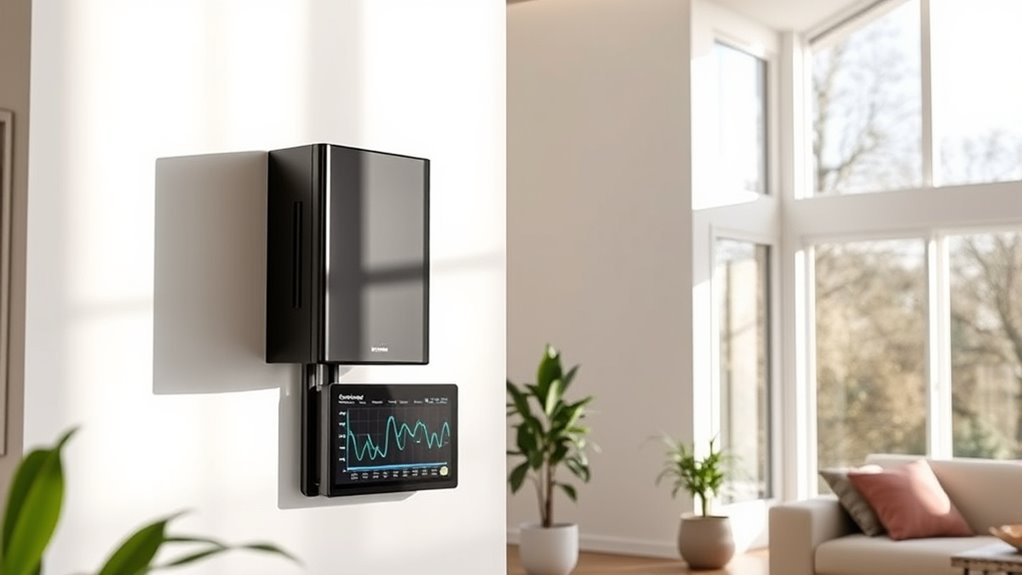

When considering home battery backup systems, the main decision revolves around balancing capacity, cost, and ease of use. The EF ECOFLOW 12kWh Power Station stands out as the best overall for its expansive capacity and modular design. For those prioritizing affordability, the Jackery Explorer 2000 v2 offers solid performance at a more accessible price point. Meanwhile, the EF ECOFLOW Portable Power Station Delta 3 Classic provides a compact yet capable backup for smaller homes or partial power needs. These choices reflect common tradeoffs: higher capacity often comes with increased cost, while smaller units sacrifice some runtime. Continue reading for a full breakdown of these options and how to find the right fit for your home.

Turn quiet afternoons into listening time
- Thousands of audiobooks, podcasts and originals
- Listen on your phone, tablet or Echo — also offline
- Cancel anytime
Complete the kit

Key Takeaways
- The best home battery backup systems balance capacity, portability, and cost, with no one-size-fits-all solution.
- Expandable and modular designs offer future-proofing but tend to come at a higher initial investment.
- LFP (LiFePO4) batteries are increasingly common, offering longer lifespan and safer operation—worth the premium for long-term reliability.
- Ease of use and installation complexity vary widely; beginners should favor plug-and-play systems with clear instructions.
- High-capacity systems often require more space and infrastructure but provide longer backup times during extended outages.




| home battery backup system | Capacity | Battery Type |
|---|---|---|
| EF ECOFLOW 12kWh Power Station | 12kWh | — |
| Anker SOLIX F3800 Portable Pow | 3.84kWh, expandable to 26.9kWh | LiFePO4 |
| Anker SOLIX F3800 Plus Portabl | 3840Wh | — |
| CyberPower CP1500PFCLCD PFC Si | 1500VA/1000W | — |
| Jackery HomePower 3600 Plus Po | 3584Wh | LFP |
| EF ECOFLOW Portable Power Stat | — | LiFePO4 |
| ECO-Worthy Cubix100 48V 600Ah | 600Ah | — |
| Jackery Explorer 2000 v2 Porta | 2042Wh | — |
| ECO-WORTHY Home Power Backup S | — | LiFePO₄ |
| EF ECOFLOW Portable Power Stat | — | LiFePO4 |
| Anker SOLIX S2000 Portable Pow | — | LFP (Lithium Iron Phosphate) |
| EF ECOFLOW Portable Power Stat | — | — |
More Details on Our Top Picks
EF ECOFLOW 12kWh Power Station: DELTA Pro Ultra with Extra Battery, 120/240V 7200W AC Output, Expandable to 90kWh, Solar Generator for Home, Emergency, Camping, RV
The EF ECOFLOW DELTA Pro Ultra stands out for its incredible capacity, making it ideal for those seeking a comprehensive home backup solution. Its 12kWh core, expandable to 90kWh, surpasses most portable options like the Anker SOLIX F3800 in sheer storage, though this comes with added weight and a higher price. The multiple recharging options, including solar, support off-grid use, but its size and weight could be a challenge for frequent transport. Compared to smaller units, this model offers peace of mind for large power needs, but it’s less suited for mobility or tight spaces. If your priority is a robust, expandable system that can handle prolonged outages, this pick delivers.
Pros:- Enormous expandable capacity up to 90kWh
- Supports multiple charging methods including solar
- High AC output suitable for large appliances
- Ideal for long-term backup and off-grid living
Cons:- Heavy and bulky, difficult to move frequently
- Higher initial cost compared to smaller units
Best for: Homeowners or emergency preparedness enthusiasts who want a scalable, high-capacity backup system.
Not ideal for: Individuals needing a lightweight, portable unit for occasional outdoor or RV use due to its bulk and cost.
- Capacity:12kWh
- AC Output:7200W
- Expandable Capacity:up to 90kWh
- Voltage:120/240V
- Weight:Heavy, exact weight varies
- Charging Options:Solar, AC, car
Our verdict“This system is best for those needing a high-capacity, scalable backup solution with home or emergency use in mind.”
Anker SOLIX F3800 Portable Power Station, 3840Wh, LiFePO4 Batteries, 6000W AC Output, Solar Generator for Home Backup, RVs, Emergencies, Camping
The Anker SOLIX F3800 offers a strong balance between capacity and portability, with 3.84kWh built from durable LiFePO4 batteries that promise a decade-long lifespan. Its dual-voltage 6000W AC output can power multiple appliances simultaneously, making it more versatile than smaller, single-outlet models like the CyberPower CP1500PFCLCD. The remote monitoring via Wi-Fi or Bluetooth adds a layer of convenience, especially for tech-savvy users. However, its price tag and need for additional batteries for maximum capacity make it less accessible for casual users. If you want a reliable, expandable system with smart control, this makes a compelling choice, but expect to invest more upfront.
Pros:- Long-lasting LiFePO4 batteries with 10-year lifespan
- Expandable to 26.9kWh with additional packs
- Dual-voltage AC support for diverse appliances
- Remote monitoring via app
Cons:- High initial cost and need for multiple batteries
- Setup complexity and weight considerations
Best for: Tech-savvy homeowners or outdoor enthusiasts who want long-lasting power with remote management.
Not ideal for: Budget-conscious buyers or those seeking a lightweight, ultra-portable solution for short-term use.
- Capacity:3.84kWh, expandable to 26.9kWh
- AC Output:6000W
- Battery Type:LiFePO4
- Lifespan:10 years
- Connectivity:Wi-Fi, Bluetooth
- Warranty:5 years
Our verdict“Ideal for users seeking a durable, smart, and expandable backup system with long-term reliability.”
Anker SOLIX F3800 Plus Portable Power Station with Home Power Panel, 3840Wh, 6000W AC Output
The Anker SOLIX F3800 Plus stands out for its integration with a dedicated home power panel, streamlining setup for emergency and backup use. Its 6000W AC output supports multiple appliances, with the added benefit of solar and generator recharging options. Compared to standalone portable units like the Jackery HomePower 3600 Plus, the F3800 Plus offers a more seamless connection to home systems, but this requires additional components and a more involved installation process. The weight and setup complexity may deter casual users, yet for those seeking a comprehensive backup solution that integrates with their home wiring, this system provides strong performance and expandability.
Pros:- High 6000W AC output supports multiple appliances
- Supports solar and generator recharging
- Expandable capacity and integrated home panel
- Smart remote control
Cons:- Requires additional setup and components
- Heavier and less portable than standalone units
Best for: Homeowners wanting a professionally integrated backup system with flexible recharging options.
Not ideal for: Individuals seeking a simple portable generator for outdoor activities, due to its installation needs.
- Capacity:3840Wh
- AC Output:6000W
- Input:Solar, gas generator
- Expandable Capacity:up to 21kWh
- Connectivity:Wi-Fi, app
- Weight:Heavy
Our verdict“Best suited for homeowners wanting an integrated, expandable backup system with flexible recharging options.”
CyberPower CP1500PFCLCD PFC Sinewave UPS Battery Backup and Surge Protector, 1500VA/1000W, 12 Outlets, AVR, Mini Tower, UL Certified
The CyberPower CP1500PFCLCD provides reliable sine wave power for sensitive electronics, making it a strong choice for protecting computers, servers, and network gear during outages. Its 1500VA/1000W capacity is limited compared to larger systems but ideal for ensuring critical device uptime. The color LCD offers clear status updates, and automatic voltage regulation helps extend battery life during fluctuating power conditions. While it’s designed for short-term backup rather than whole-home power, its affordability and UL certification make it attractive for small-scale needs. However, its limited outlets and capacity mean it cannot support larger appliances or longer outages without additional units.
Pros:- Reliable sine wave output for sensitive devices
- Color LCD display for monitoring
- Automatic voltage regulation extends battery life
- UL certified for safety
Cons:- Limited capacity and outlets for large appliances
- Not suitable for whole-house backup
Best for: Small business or home office users needing reliable power for electronics and network equipment.
Not ideal for: Individuals seeking a full-home backup system, due to its limited capacity and outlets.
- Capacity:1500VA/1000W
- Outlets:12 NEMA 5-15R
- USB Ports:2 (Type-A and Type-C)
- Warranty:3 years
- Connected Equipment Guarantee:$500,000
- Type:Sine wave UPS
Our verdict“Ideal for protecting critical electronics in small setups but not for whole-home backup needs.”
Jackery HomePower 3600 Plus Portable Power Station, 3600W AC Output, 3584Wh LFP Solar Generator, Expandable up to 21kWh, Home Backup, RV
The Jackery HomePower 3600 Plus combines portability with substantial capacity, providing 3584Wh from LFP batteries that promise a 6,000-cycle lifespan. Its 3600W AC output supports most home appliances, and the ability to expand to 21kWh with multiple units offers flexibility for larger needs. Compared to bulkier systems like the EF ECOFLOW 12kWh Power Station, this model is more manageable for outdoor use and easy to transport. The lightweight design and multiple charging options, including solar and gas, make it attractive for RVers and homeowners who want reliable backup without heavy lifting. However, the need for multiple units for larger capacity and higher cost per kWh may be limiting factors.
Pros:- Lightweight and portable design
- High-capacity expandable up to 21kWh
- Long-lasting LFP batteries with 6,000 cycles
- Multiple charging options including solar and gas
Cons:- Requires multiple units for large capacity
- Potentially expensive at higher capacities
Best for: Outdoor enthusiasts, RV owners, or homeowners seeking a portable yet expandable backup power source.
Not ideal for: Users requiring a fixed, high-capacity system for permanent home installation, due to the need for multiple units and cost.
- Power Output:3600W
- Capacity:3584Wh
- Expandable Capacity:up to 21kWh
- Battery Type:LFP
- Cycle Life:6,000 cycles
- Weight:Lightweight
Our verdict“Best suited for portable, expandable power needs where mobility and flexibility are priorities.”
EF ECOFLOW Portable Power Station Delta 3 Classic, 1024Wh LiFePO4 Battery, 1800W AC/100W USB-C, Fast Charge, Solar Generator for Home, Camping & RVs
The EcoFlow DELTA 3 Classic stands out for its impressive 1024Wh LiFePO4 battery, offering reliable power for a variety of household appliances during outages or outdoor adventures. Its 1800W continuous output and 3600W surge capacity provide versatility that surpasses smaller portable units like the Jackery Explorer 2000 v2, which, while lighter, offers less overall capacity. The fast recharge time—0-80% in 45 minutes—and solar recharging capability make it highly practical for frequent use. The UPS feature adds protection for sensitive electronics, and smart app control enhances user convenience. However, it’s relatively heavy and not designed for frequent portable use, and solar compatibility requires an additional panel. This pick is ideal for homeowners needing dependable backup power without permanent installation.
Pros:- High-capacity 1024Wh battery suitable for household electronics
- Fast recharge time with AC and solar options
- UPS protection for sensitive devices
- Smart app control for easy monitoring
Cons:- Relatively heavy for frequent portability
- Requires an optional solar panel for solar recharging
Best for: Homeowners seeking a portable backup system with high capacity and smart features
Not ideal for: Frequent campers or RV users who prioritize ultra-lightweight gear for portability
- Battery Capacity:1024Wh
- Battery Type:LiFePO4
- AC Output:1800W
- Surge Power:3600W
- USB-C Output:100W
- Fast Charging:0-80% in 45 minutes
- Recharge Time with Solar:2.5 hours with 500W panel
- Battery Lifespan:10+ years
Our verdict“This is the best choice for homeowners who want a portable, reliable backup with advanced features.”
ECO-Worthy Cubix100 48V 600Ah Server Rack Battery LiFePO4 6-Pack Solar Battery Kit for Home Backup
The ECO-Worthy Cubix100 delivers an enormous 30.72kWh capacity, making it suitable for whole-home off-grid power or extensive backup needs. Its modular design, supporting up to 32 units, provides unmatched scalability compared to the more compact Jackery Explorer 2000 v2, which is portable but limited in capacity. The system’s Bluetooth and WiFi monitoring enable remote management, while UL9540 and CEC certifications ensure safety and efficiency. That said, installation is complex and typically requires professional help, and the bulkiness—being designed for server rack integration—limits flexibility for smaller setups. This system is best for large households or facilities prioritizing long-term, expandable power independence.
Pros:- Massive 30.72kWh capacity with expandability
- Certified for safety and efficiency
- Remote monitoring via Bluetooth and WiFi
- Complete plug-and-play installation kit
Cons:- Requires professional installation
- Bulky setup not suited for small spaces
Best for: Large households or small businesses needing a scalable, high-capacity backup solution
Not ideal for: Individuals seeking a portable or lightweight backup for occasional use
- Voltage:48V
- Capacity:600Ah
- Energy:30.72kWh
- Cell Type:LiFePO₄
- Certifications:UL9540, UL1973, CEC
- Communication:CAN/RS485, Bluetooth, WiFi
- Expansion:Up to 32 units
- Warranty:10 years
Our verdict“This is the ideal high-capacity, scalable system for those with large power demands and room for installation.”
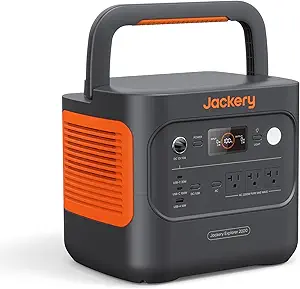
Jackery Explorer 2000 v2 Portable Power Station, 2042Wh LiFePO4 Battery, 2200W Solar Generator, USB-C PD 100W Fast Charging
The Jackery Explorer 2000 v2 offers a substantial 2042Wh capacity in a surprisingly lightweight 39.5-pound frame, making it an attractive option for outdoor enthusiasts and emergency preparedness. Its 2200W continuous output supports a wide range of devices and small appliances, outperforming smaller units like the Anker SOLIX S2000, which, while similar in capacity, doesn’t match Jackery’s balance of portability and power. The fast AC charging—66 minutes to full—plus solar compatibility (6 hours with 400W panels) enhances its practicality. However, its premium price tag and limited delivery options for certain regions might deter budget-conscious buyers. Solar charging also requires specific panels, adding to setup complexity. This model is best for those needing portable power with high capacity for outdoor adventures or emergency scenarios.
Pros:- High capacity of 2042Wh with 2200W output
- Lightweight at under 40 pounds
- Fast AC and solar charging options
- Long battery lifespan of up to 10 years
Cons:- Higher price point
- Limited shipping options for PO Box addresses
Best for: Outdoor enthusiasts and emergency prepper who need portable, reliable power
Not ideal for: Homeowners seeking a permanent, large-scale backup system
- Capacity:2042Wh
- Output Power:2200W
- AC Ports:3
- USB-C PD:100W
- Weight:39.5 lbs
- Charging Time (AC Fast):66 minutes
- Full Charge (Super Charging):102 minutes
- Solar Charging:6 hours with 400W panels
Our verdict“This is the best portable power station for active users who need high capacity without sacrificing mobility.”
ECO-WORTHY Home Power Backup Station, 10240Wh Wall-Mount LiFePO4 Battery with Conduit Box, Bluetooth & WiFi + 10000W Solar Inverter Charger
The ECO-WORTHY Home Power Backup Station offers a massive 10240Wh capacity paired with a 10,000W inverter, making it capable of supporting large household appliances during outages or off-grid situations. Its wall-mount design and extensive expansion options—up to 6 inverters and 32 batteries—make it suitable for whole-home backup, unlike portable units like the EF ECOFLOW Delta Pro, which is more flexible but less capable of supporting entire households. The system’s smart monitoring, Bluetooth, and WiFi features enable remote oversight, but the setup is complex and costly, often requiring professional installation. The extensive capacity and scalability come with a higher price, but for large-scale backup needs, this system excels. This is best for large households or small businesses requiring dependable, scalable power.
Pros:- Enormous 10240Wh capacity for whole-house backup
- High 10,000W inverter supports heavy appliances
- Expandable system with multiple units
- Smart monitoring via Bluetooth and WiFi
Cons:- Complex installation process
- High initial investment
Best for: Large households or small commercial sites needing reliable, expandable backup power
Not ideal for: Individuals needing a portable or affordable emergency power source
- Battery Capacity:10240Wh
- Battery Type:LiFePO₄
- Inverter Power:10000W
- Supported Voltages:120V/240V
- Cycle Life:Over 6,000 cycles
- Expansion:Up to 6 inverters, 32 batteries
Our verdict“This system is perfectly suited for those with significant power needs and space for installation, prioritizing capacity and scalability.”
EF ECOFLOW Portable Power Station 3600Wh DELTA Pro, 120V AC Outlets, Fast Charge, Solar Generator for Home, Camping, RV, Emergencies
The EF ECOFLOW DELTA Pro offers an impressive 3600Wh of capacity, making it one of the largest portable power stations suitable for home backup, camping, or emergency use. Its 4500W maximum output, combined with multiple outlets and expandability options—up to 25kWh with additional batteries or generators—set it apart from smaller units like the Jackery Explorer 2000 v2. The fast recharge time of approximately 2.7 hours via wall outlets and versatile input methods—including solar and EV stations—add to its appeal. Remote control and monitoring through the EcoFlow app make management straightforward. Nonetheless, this power station is heavy and costly, especially when fully expanded, and its size may be limiting for portable applications. This system is best for homeowners or serious outdoor users who need large-scale, reliable power with room for expansion.
Pros:- Large 3600Wh capacity for extensive backup needs
- Fast recharge with multiple input options
- Expandability with additional batteries or generators
- Multiple outlets and remote monitoring via app
Cons:- Expensive relative to smaller portable units
- Heavy and bulky for frequent portability
Best for: Homeowners and outdoor enthusiasts needing a high-capacity, expandable power solution
Not ideal for: Individuals seeking a lightweight, portable emergency backup for simple tasks
- Battery Capacity:3600Wh
- Battery Type:LiFePO4
- AC Outlets:5
- Maximum Output:4500W with X-Boost
- Recharge Time:2.7 hours
- Input Methods:Solar, wall, EV, car
- Expandability:Up to 25kWh
- App Control:Yes
Our verdict“This is the best high-capacity portable backup for those who value expandability and large energy reserves.”
Anker SOLIX S2000 Portable Power Station, 1500W Solar Generator for Home Use, 2010Wh LFP Battery
The Anker SOLIX S2000 stands out for its impressive 2010Wh LFP battery, offering a long lifespan of around 10,000 cycles that surpasses most portable options like the EcoFlow DELTA 2. Its portability — at just over 35 pounds — makes it ideal for those who need backup power on the go or during outages without sacrificing longevity. While it supports multiple recharging methods, including solar, it doesn’t feature a dedicated 12V DC port, limiting some off-grid applications. Compared with larger stationary units such as the EcoFlow DELTA 2, this model is less powerful but far more mobile and easier to handle. It’s best suited for users who value portability and longevity over raw power capacity, such as campers or small household backup. The main tradeoff is its 1500W continuous output, which won’t run high-wattage appliances for extended periods. Still, its broad recharging options and durable battery make it a versatile backup for essential devices.
Pros:- Long-lasting 10,000-cycle LFP battery with a 15-year lifespan
- Compact, lightweight design for easy transport
- Supports multiple recharging methods, including solar
Cons:- Limited to 1500W continuous output, restricting high-wattage device operation
- No dedicated 12V DC port for some DC-powered devices
- Requires additional solar panels for solar charging, increasing setup complexity
Best for: Individuals needing portable, long-lasting backup power for essential appliances during outages or outdoor activities.
Not ideal for: Homes with high-wattage appliances or those seeking a stationary, high-capacity system; its limited 1500W output and portability aren’t suited for large-scale home backup.
- Power Output:1500W continuous, 3000W peak
- Battery Capacity:2010Wh
- Battery Type:LFP (Lithium Iron Phosphate)
- Cycle Life:10,000 cycles
- Dimensions:8.2 x 11.1 x 12.7 inches
- Weight:35.7 lbs
Our verdict“This pick is ideal for users who prioritize portability, long-term battery health, and flexible recharging over high power output.”
EF ECOFLOW Portable Power Station DELTA 2, 1024Wh LiFePO4 Battery, 1800W AC/100W USB-C, Solar Generator for Home Backup, Camping & RVs
The EcoFlow DELTA 2 offers a compelling balance of power and portability, with a 1024Wh LiFePO4 battery and an impressive 1800W AC output, making it suitable for most household appliances, unlike smaller portable units like the Jackery Explorer 2000. Its rapid charging — from 0% to 80% in just 50 minutes — is a clear advantage, especially when quick turnaround times are needed during outages or trips. The ability to expand capacity up to 3kWh makes it more adaptable for longer-term backup needs. However, its relatively high weight—over 20 pounds—may challenge those seeking truly lightweight options. The solar input capacity of 500W is somewhat limited for fast off-grid recharging, particularly when compared to larger stationary systems. This system makes the most sense for users who want a portable, fast-charging backup that can grow with their needs, but less so for those prioritizing maximum solar input or ultra-lightweight portability.
Pros:- Fast charging from 0-80% in just 50 minutes
- Expandable capacity up to 3kWh with additional batteries
- High power output suitable for most appliances
Cons:- Relatively high weight for portable use
- Limited solar input capacity for rapid recharging
- Price may be higher than some competitors for similar capacity
Best for: Homeowners or campers who need quick-charging, expandable backup power with high power output in a portable package.
Not ideal for: Users seeking ultra-lightweight systems or high solar input capacity for rapid off-grid recharging; its weight and solar limitations may be drawbacks.
- Battery Capacity:1024Wh
- Battery Chemistry:LiFePO4 (LFP)
- AC Output:1800W
- USB-C Output:100W
- Solar Input:Up to 500W
- Expandable Capacity:1-3kWh
Our verdict“This model suits those seeking a fast-charging, expandable power station that balances portability with high wattage capabilities.”

How We Picked
I evaluated these products based on several key criteria: total capacity (measured in kWh), power output (Wattage), expandability, build quality, ease of setup, and value for the price. Durability and safety features, such as battery chemistry and thermal management, also played vital roles. I prioritized models with proven reliability and user-friendly interfaces, ensuring they meet typical household backup needs without requiring professional installation. The ranking reflects a combination of performance, versatility, and cost-effectiveness, aiming to guide different types of buyers from budget-conscious to premium users.| home battery backup system | Battery Type |
|---|---|
| EF ECOFLOW 12kWh Power Station | — |
| Anker SOLIX F3800 Portable Pow | LiFePO4 |
| Anker SOLIX F3800 Plus Portabl | — |
| CyberPower CP1500PFCLCD PFC Si | — |
| Jackery HomePower 3600 Plus Po | LFP |
| EF ECOFLOW Portable Power Stat | LiFePO4 |
| ECO-Worthy Cubix100 48V 600Ah | — |
| Jackery Explorer 2000 v2 Porta | — |
| ECO-WORTHY Home Power Backup S | LiFePO₄ |
| EF ECOFLOW Portable Power Stat | LiFePO4 |
| Anker SOLIX S2000 Portable Pow | LFP (Lithium Iron Phosphate) |
| EF ECOFLOW Portable Power Stat | — |
Factors to Consider When Choosing Home Battery Backup Systems
Selecting the right home battery backup system involves weighing several important factors. Capacity determines how long your home can run during an outage, while power output affects which appliances can be supported simultaneously. Expandability can future-proof your investment, especially if your power needs change. Ease of installation and maintenance are crucial for non-experts, and safety features should not be overlooked. Understanding these aspects helps you avoid common pitfalls such as underestimating capacity or overpaying for unnecessary features.Capacity and Runtime
Capacity, typically measured in kilowatt-hours (kWh), directly impacts how long your system can power essential appliances during an outage. Consider your daily power usage and select a system that offers at least 50-75% of that capacity for reliable backup. Smaller units may suffice for critical devices like fridges and Wi-Fi routers, but larger homes may require expanded storage. Keep in mind that higher capacity systems tend to be more expensive and may require additional space or infrastructure.
Power Output and Compatibility
The wattage rating indicates how many appliances can run simultaneously. If you want to support high-wattage devices like air conditioners or electric ovens, look for systems with at least 3000W to 5000W continuous power. Lower wattage units may only power essential devices, making them suitable for partial backup needs. Compatibility with your existing electrical system and the ability to handle surges are also critical considerations to avoid overloads or damage.
Expandability and Modularity
Many systems now offer modular designs that allow adding extra batteries over time, which can be a cost-effective way to scale up capacity. This is especially beneficial if you anticipate future power needs or want to spread out the investment. However, expandable systems tend to be more complex to install and may have higher upfront costs. Balance the desire for future-proofing with your current budget and technical comfort level.
Ease of Installation and Maintenance
For most homeowners, a system that is simple to install and maintain is preferable. Plug-and-play models with minimal wiring or professional installation options reduce setup time and hassle. Consider maintenance requirements like battery lifespan, warranty, and ease of access for repairs. Some systems with integrated monitoring via smartphone apps can simplify upkeep and provide real-time performance data, which is valuable for long-term reliability.
Safety and Battery Chemistry
Safety features such as thermal management, overcharge protection, and fire resistance are essential, especially for systems installed in or near living spaces. Lithium Iron Phosphate (LiFePO4) batteries are increasingly popular due to their longer lifespan, better thermal stability, and safer chemistry compared to traditional lithium-ion options. Investing in a system with proven safety credentials can save trouble and expense in the long run, particularly for continuous or extended use.
Frequently Asked Questions
How much capacity do I need for my home backup system?
Determining the right capacity depends on your household’s daily energy consumption and which appliances you want to keep running during an outage. Typically, a 10-15 kWh system can support essential appliances like refrigerators, lights, and Wi-Fi for one or two days. For longer outages or larger homes, larger or expandable systems are advisable. It’s helpful to review your utility bills to estimate your average daily usage and then select a system that provides sufficient backup time based on those numbers.
Can I install a home battery backup system myself?
While some portable or plug-and-play units are designed for DIY installation, most integrated home systems require professional wiring and connection to your electrical panel. Incorrect installation can pose safety risks or void warranties. If you lack electrical experience, hiring a licensed electrician ensures the system is installed correctly, safely, and complies with local codes. For simpler systems, many manufacturers provide detailed guides and customer support to assist with setup.
How long do home batteries typically last?
The lifespan of a home battery usually ranges from 5 to 15 years, depending on the chemistry and usage patterns. LiFePO4 batteries tend to last longer and endure more charge cycles than traditional lithium-ion options, making them a preferred choice for long-term reliability. Regular maintenance and avoiding deep discharges can extend battery life. Warranties often cover 5-10 years, so it’s wise to choose systems with solid support and replacement options.
Are expandable systems worth the extra cost?
Expandable systems can be a smart investment if you expect your power needs to grow or want to spread out costs over time. They offer flexibility to increase capacity without replacing the entire system later. However, they often come with higher initial complexity and installation costs. If your current needs are modest, a non-expandable, budget-friendly system may suffice. For long-term planning, investing in a slightly larger or expandable system provides peace of mind and scalability.
What safety features should I look for in a home battery system?
Prioritize systems with comprehensive safety features like thermal management, overcharge protection, and fire-resistant batteries. LiFePO4 chemistry is inherently safer due to its thermal stability, which reduces fire risk. Additionally, look for systems with built-in monitoring and alerts for performance issues, as well as certifications from recognized safety standards bodies. Proper ventilation and accessible maintenance points also contribute to overall safety, especially for larger or permanently installed units.
Conclusion
For most homeowners, the EF ECOFLOW 12kWh Power Station offers an excellent blend of capacity, expandability, and reliability, making it the best overall choice. Budget-conscious buyers should consider the Jackery Explorer 2000 v2, which provides dependable backup without breaking the bank. If you seek a premium, long-lasting solution, the ECO-Worthy Cubix100 or high-capacity units with LiFePO4 batteries are worth the investment. Beginners or those installing in easily accessible areas will benefit from systems with straightforward setup, while larger households or those with critical appliances may need systems with higher wattage and capacity. Matching your specific needs and budget to these profiles will help you select the ideal home backup system.
Fall Picks
fall essentials
As an affiliate, we earn on qualifying purchases.