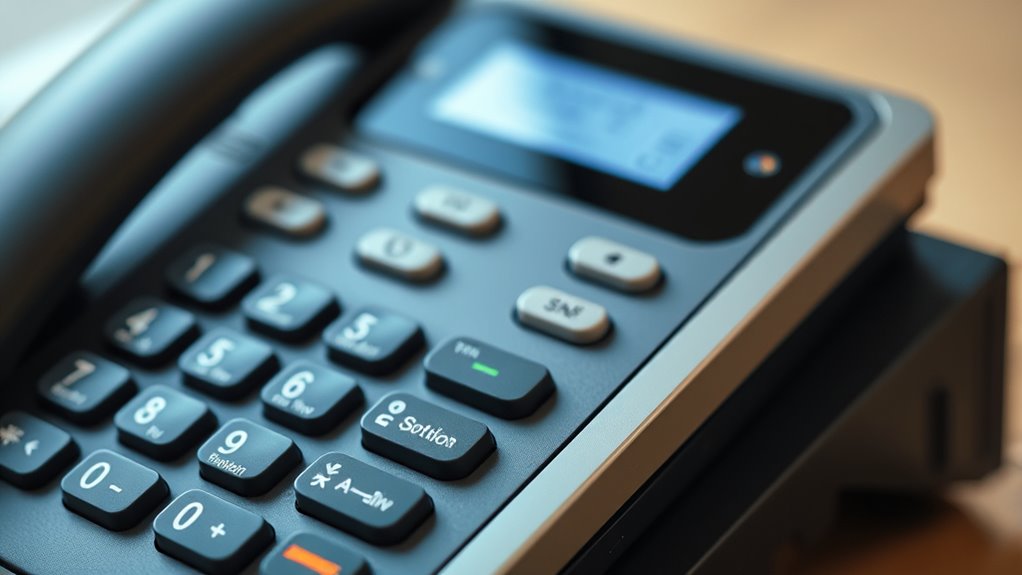

When choosing amplified phones for seniors, the goal is to find devices that make conversations clearer and easier to hear without overwhelming features or complex setups. The VTech SN5147 stands out as the best overall pick for its balanced combination of loudness, usability, and reliable call blocking. For those prioritizing sound clarity, the Clarity XLC3.4+ offers superior audio amplification, while the Hamilton CapTel 2400iSPNBT delivers captioned calls for hearing-impaired users. Many options trade off simplicity for advanced features, or vice versa, so understanding your needs is key. Keep reading to see how these phones compare and which one might be the best fit for you or your loved ones.
Complete the kit


Key Takeaways
- Top picks balance amplification power with ease of use, avoiding overly complicated controls.
- Phones with large buttons and big displays are consistently favored for accessibility.
- Combining amplification with additional features like call blocking or captioning broadens usability.
- Higher price points typically offer more reliable sound quality and durability, but some budget models perform surprisingly well.
- Choosing between corded and cordless depends on the user’s mobility and desk setup preferences.


More Details on Our Top Picks
VTech SN5147 Amplified Senior Phone with Answering Machine, Big Buttons, Extra-Loud Ringer, Call Blocker
This hybrid model stands out for combining corded reliability with cordless convenience, making it a flexible choice for seniors who want a backup during power outages. Its extra-loud ringer (90dB) and Audio Assist (50dB) deliver clear sound for hearing-impaired users, surpassing many cordless options like the Panasonic KX-TGM420W, which may lack backup power. The large, high-contrast buttons and display enhance usability, but its bulkier design might be cumbersome for some. Call blocking and remote answering add practical value, though the system supports only four handsets, limiting scalability. Compared to purely cordless models, the SN5147 offers a stable, dependable experience with some tradeoffs in size and aesthetics.
Pros:- Extremely loud ringer (90dB) and audio assist for hearing-impaired users
- Large, high-contrast buttons and display for easy dialing and reading
- Hybrid corded and cordless design ensures backup power during outages
- Includes call blocking and remote answering features
Cons:- Limited to 4 handsets expansion, restricting scalability
- Bulky design may be less appealing or practical for smaller spaces
Best for: Seniors seeking a dependable, hybrid phone with hearing assistance and call blocking features
Not ideal for: Users preferring sleek, modern designs or wireless-only setups with extensive expansion needs
- Type:Amplified Corded/Cordless Senior Phone
- Ringer Volume:90dB
- Audio Assist:50dB
- Answering Machine:22 minutes
- Expandable Handsets:Up to 4
- Display:Large backlit
Our verdict“This pick is ideal for seniors who want a reliable, easy-to-use phone with hearing support and call management in a hybrid setup.”
Panasonic KX-TGM420W + KX-TGMA44W Amplified Cordless Phone with Digital Answering Machine and Voice Volume Booster
This cordless system shines for its powerful volume boost (up to 40dB) and noise reduction, making it suitable for homes with background noise or for users with significant hearing loss. Its expandable design (up to six handsets) offers whole-home coverage, contrasting with the single-line limitations of some other models like the Serene Innovations phone. The bright backlit LCD and talking features add clarity, but its bulkier base unit may take up more space and requires a power backup for consistent operation during outages. While it may be more complex to set up than basic phones, its rich feature set benefits users who need maximum amplification and clarity.
Pros:- Loud volume boost up to 40dB and noise reduction for clearer calls
- Expandable to six handsets for whole-home coverage
- Includes features like talking caller ID and call blocking
- Bright backlit LCD simplifies navigation in low light
Cons:- Bulkier base unit may not fit comfortably in small spaces
- Requires power backup, adding to setup complexity
Best for: Hearing-impaired seniors in noisy environments who want expandability and advanced features
Not ideal for: Those seeking a simple, minimal device or with limited space for the base unit
- Volume Boost:up to 40 dB
- Number of Handsets:2
- Expandable:Yes, up to 6 handsets
- Backlit LCD:Yes
- Additional Features:Digital answering, noise reduction, talking caller ID
Our verdict“This system is best suited for seniors who need powerful amplification, expandability, and clarity in challenging environments.”
Panasonic Cordless Phone with Amplified Sound and Large Display
This cordless model offers powerful amplification (up to 40dB) and a 100dB ringer, making it suitable for those with hearing impairments. Its large, backlit LCD and buttons facilitate use in dim conditions, but its landline-only operation limits flexibility compared to the cordless Panasonic KX-TGM420W. The inclusion of Slow Talk and talking caller ID features helps users with vision challenges, though some may find the feature set slightly complex. Its expansion capability to six handsets makes it versatile for larger homes, yet the reliance on landline service could be limiting as more users shift to cell-based communication.
Pros:- Amplified sound up to 40dB and 100dB ringer for hearing assistance
- Large, backlit display and buttons for easy reading and dialing
- Features like Slow Talk and talking caller ID aid users with vision impairments
- Expandable to six handsets provides whole-home coverage
Cons:- Limited to landline use only, lacking mobile compatibility
- Feature set may be complex for those unfamiliar with advanced options
Best for: Seniors needing a cordless, amplified phone with visual aids and easy-to-read displays
Not ideal for: Individuals looking for a multi-line or entirely wireless experience
- Volume Boost:40dB
- Ringer Volume:100dB
- Display Size:1.8 inches
- Number of Handsets:Expandable to 6
- Additional Features:Slow Talk, Talking Caller ID, Noise Reduction
Our verdict“This phone is ideal for seniors who want a cordless, amplified experience with visual and audio aids for everyday use.”
Swissvoice 3355 DECT 6.0 Big Button Phone for Elderly with Answering Machine and Extra Handset
This model emphasizes straightforward operation with large photo memory buttons, making it especially suitable for seniors with visual impairments or memory challenges. Its loud ringer (up to 90dB) and hearing aid compatibility enhance accessibility, but its basic design may lack the modern features some users expect, such as caller ID. The included digital answering system with 30-minute capacity is functional but modest compared to more advanced systems like the Panasonic KX-TGM420W. The support for up to three extra handsets makes it flexible, though setup and customization may be limited.
Pros:- Large photo memory buttons for easy recognition
- Extra loud ringer (up to 90dB) and hearing aid compatibility
- Includes two handsets with support for additional units
- Designed specifically for seniors and visually/hearing impaired
Cons:- Limited recording capacity of 30 minutes
- Basic design with fewer modern features
Best for: Seniors who prioritize simplicity, visual cues, and hearing aid compatibility over advanced features
Not ideal for: Tech-savvy users seeking modern features like caller ID or extensive recording capacity
- Number of Batteries:2 AAA batteries
- Power Source:Corded Electric
- Dialer Type:Big Button
- Answering System Type:Digital
- Compatible Devices:Hearing Aid
- Recording Capacity:30 minutes
Our verdict“This phone suits seniors seeking straightforward operation with visual and hearing aids, sacrificing advanced features for simplicity.”
Serene Innovations Amplified Big Button Landline Phone for Seniors with Dementia
This simplified landline phone emphasizes ease of use with large, photo-dial buttons and a loud 85dB ringer, specifically targeting seniors with dementia or memory impairments. Its minimal operation and straightforward layout reduce confusion, but it lacks modern features like caller ID or extensive recording options, which could be drawbacks for users seeking more connectivity options. Its compatibility with standard lines and 3-way conference calling make it practical for basic communication, though the design’s simplicity may feel outdated for some.
Pros:- Large buttons with photo speed dial for easy visual recognition
- Loud ringer (85dB) suitable for hearing difficulties
- Simple, intuitive operation without complex menus
- Compatible with standard phone lines and conference calls
Cons:- No caller ID feature, limiting information display
- Limited to landline use, no wireless or smart features
Best for: Seniors with dementia or severe memory impairments who need simple, reliable communication tools
Not ideal for: Users who want caller ID, smartphone integration, or advanced features
- Power Source:Phone Landline
- Dialer Type:Single Keypad
- Answering System Type:Microcassette
- Conference Call Capability:3-way
- Multiline Operation:Single-Line
- Ringer Volume:85dB
Our verdict“This model is best for seniors with dementia needing straightforward, accessible communication without distractions or complexity.”
Panasonic KX-TGM420W + 2 KX-TGMA44W Amplified Cordless Phone with Digital Answering Machine, Expandable Up to 6 Handsets, Voice Volume Booster 40 dB
This Panasonic system stands out for its impressive 40 dB volume boost and noise reduction, making conversations clearer for users with mild to moderate hearing loss. Compared to the Clarity XLC3.4+, it offers broader expandability and additional features like Slow Talk and talking caller ID, but it does come with a larger footprint and a higher price. Its extensive feature set, including a digital answering machine and up to six handsets, makes it ideal for multi-room coverage. However, the bulkier design may be less suited for users seeking a compact solution, and setup might be more complex for those unfamiliar with multi-device systems.
Pros:- Excellent volume boost and noise reduction for clearer calls
- Large, backlit controls and display for easy visibility
- Expandable to multiple handsets for whole-home coverage
Cons:- Bulkier design may take up more space
- Setup process can be complex for some users
Best for: Families or individuals needing an expandable, feature-rich system with strong noise reduction and volume amplification.
Not ideal for: Users with limited space or those preferring a simple, single-unit phone without extensive setup requirements.
- Expandable to:6 handsets
- Volume boost:up to 40 dB
- Ringer volume:up to 100 dB
- Talk time:13 hours
- Standby time:9 days
- Voice message recording:17 minutes
Our verdict“This pick is perfect for users who want a versatile and expandable system with strong sound clarity and advanced features.”
Clarity XLC3.4+ Amplified Cordless Landline Phone for Seniors, Elderly, Hard of Hearing
The Clarity XLC3.4+ excels in delivering up to 50 dB amplification, making it a strong choice for users who need loud, clear sound, especially compared to the Panasonic KX-TGM420W which offers slightly less amplification. Its loud ringer and visual indicators, like a bright notification light, enhance accessibility, while the talking keypad and caller ID support users with low vision. However, its reliance on landline infrastructure and additional handset costs may limit appeal for those wanting mobile options or a more integrated experience. Its simplicity makes it straightforward, but it’s less suited for users seeking smartphone compatibility or modern features.
Pros:- High amplification for clear sound
- Loud ringer and visual alert ensure calls are noticed
- Talking caller ID and keypad enhance usability for low vision users
Cons:- Limited to landline use, no mobile compatibility
- Extra cost for additional handsets
- Requires power outlet for operation
Best for: Seniors with significant hearing impairment who primarily use landlines and value high-volume sound and visual cues.
Not ideal for: Individuals seeking a wireless system or integrated mobile connectivity, as it’s limited to landline use.
- Amplification:50dB
- Outgoing speech amplification:15dB
- Ringer volume:95dB
- Additional handsets:up to 3
- Battery backup:Yes
- Tone control:4 settings
Our verdict“This phone is ideal for users needing maximum amplification and visual alerts on a landline-only setup.”
Panasonic Cordless Phone with Large Display and Big Buttons, 2 Handsets
This Panasonic model offers a straightforward solution with a large 2.1-inch display and big buttons, making it accessible for seniors who prefer familiar, easy-to-use devices. Its built-in flashlight and call blocking features address safety and nuisance call concerns, respectively. When compared to the more advanced features of the Hamilton CapTel 2400iSPNBT, this phone emphasizes ease of use over captioning or hearing aid compatibility, making it suitable for users who prioritize simplicity. Its limited handset count and lack of Bluetooth or smartphone integration mean it’s less adaptable for tech-savvy users or those seeking mobile connectivity.
Pros:- Large display and big buttons for easy operation
- Built-in flashlight useful in dark or emergencies
- Effective call blocking reduces unwanted calls
Cons:- Limited to two handsets
- No Bluetooth or smartphone integration
Best for: Seniors who want a basic, reliable landline phone with large controls and emergency features.
Not ideal for: Tech-savvy users or those needing captioning, mobile features, or extensive call management options.
- Display:2.1 inches
- Number of handsets:2
- Call block capacity:up to 1,000
- Features:Built-in flashlight, Favorites key
- Volume boost:up to +12 dB
- Call blocking:Yes
Our verdict“This phone suits seniors seeking a simple, dependable device with emergency features and easy operation.”
Amplified Landline Phone for Seniors & Hearing Impaired – Large Buttons, Speakerphone, Photo Speed Dial, Black
This wired amplified phone emphasizes ease of use with large buttons, photo speed dial, and a loud ringer, making it suitable for users who prefer traditional landline phones without mobility or wireless features. Its 80dB maximum gain ensures clarity, but it falls short for users with profound hearing loss, especially compared to wireless options like the Hamilton CapTel 2400iSPNBT that support digital captions and VoIP. The need for physical wiring and limited customization options might be a drawback for those who want more modern connectivity or mobility.
Pros:- Loud volume and hearing aid compatibility
- Large buttons and photo speed dial for easy use
- Flashy LED indicator for call alerts
Cons:- Limited to wired connection, no cordless mobility
- Not suitable for profound hearing loss
- Programming photo memory can be cumbersome
Best for: Seniors comfortable with wired phones who need large buttons, visual cues, and high-volume audio.
Not ideal for: Those seeking cordless mobility or digital captioning features, as it’s wired-only and lacks advanced communication options.
- Maximum receiver gain:80dB
- Ringer volume:110dB
- Number of speed dial buttons:3
- Photo buttons:3
- Material:ABS
- Color:Black
Our verdict“This phone works well for users preferring a simple, wired device with high volume and visual aids but less so for those wanting wireless features.”
Hamilton CapTel 2400iSPNBT Captioned Telephone with Large Touch Screen and Hearing Aid Compatibility
The Hamilton CapTel 2400iSPNBT makes conversations more accessible through real-time captions and an easy-to-read large touchscreen, outperforming simpler amplified phones like the Clarity XLC3.4+ in terms of communication clarity for users with hearing impairments. Its 40dB amplification, combined with captioning, provides a comprehensive solution for those who need both sound enhancement and visual text. However, its reliance on high-speed internet and power, along with bulkier size, may be less appealing to users seeking a straightforward landline device. It’s especially suitable for those who want the most detailed captioning and hearing aid compatibility, but less so for users without broadband access or those preferring small, lightweight devices.
Pros:- Large touchscreen with real-time captions
- Amplified sound up to 40dB and hearing aid compatible
- Supports multiple communication services including VoIP
Cons:- Requires high-speed internet and electrical power
- Bulkier and heavier than standard phones
- Limited to US residents with hearing loss
Best for: Hearing-impaired users needing captioned conversations with large touchscreen access and VoIP compatibility.
Not ideal for: Users without reliable high-speed internet or those preferring cordless mobility and minimal setup.
- Power source:Corded electric
- Dialer type:Single keypad
- Amplified sound:up to 40dB
- Hearing aid compatibility:Yes
- Answering system:Digital
- Size:3.64 x 12.56 x 9.54 inches
Our verdict“This captioned phone is ideal for users who need comprehensive hearing support and visual aids, especially with broadband access.”
Large Button Phone for Seniors with Amplified Ringer and Hearing Assistance
This landline phone excels in offering a straightforward, easy-to-use experience, making it ideal for seniors who prioritize simplicity over advanced features. Its large, high-contrast buttons and a loud 110 dB ringer ensure calls are easy to dial and hear, especially for users with visual or hearing impairments. Unlike the VTech SN1127, which provides additional features like an answering machine, this model focuses solely on dependable calling, which can be a plus for those who prefer minimalism. The lack of a speakerphone or voicemail means fewer distractions but also less versatility for multitasking or remote message retrieval. Its corded design guarantees consistent operation during power outages, a critical feature many users value. However, without speakerphone or advanced functionalities, it may fall short for those seeking more expansive communication options.
Pros:- Large, high-contrast buttons for easy dialing
- Loud ringer and visual alerts for hearing-impaired users
- No batteries needed, works during power outages
Cons:- Does not support speakerphone, voicemail, or advanced features
- Limited to basic calling, lacking modern connectivity options
Best for: Seniors with severe hearing or vision impairments needing a reliable, simple phone for everyday calls
Not ideal for: Users who want cordless mobility or integrated voicemail features for convenience
- Button Size:1.06″ x 1.18″
- Ringer Volume:110 dB+
- Handset Volume:80 dB+
- Power Source:RJ11 landline, no batteries required
- Cord Length:9 feet
Our verdict“This phone suits seniors seeking a dependable, straightforward device for essential calling without extras.”
VTech SN1127 Amplified Corded Senior Phone with Answering Machine, 8 Photo Speed Dial, 90dB Loud Ringer, Big Buttons
This model offers a well-rounded set of features, making it a strong choice for seniors who want more than just basic calling. Its large buttons, big display, and photo speed dial facilitate easier dialing for users with low vision or memory issues. The built-in answering machine adds convenience, especially during times when users can’t answer calls immediately. Compared to the Large Button Phone, which lacks an answering machine, the SN1127 provides more functionality for daily use. However, its corded design limits mobility, and some users who prefer cordless systems may find it restrictive. While the 90 dB ringer and visual alerts are effective, the absence of Bluetooth or expandable handsets means it’s less adaptable for whole-house coverage or integration with cell phones.
Pros:- Loud 90dB ringer and visual alerts for hearing impairments
- Large buttons and display for easy reading and dialing
- Built-in answering machine adds convenience
Cons:- Corded design limits mobility within the home
- Lacks Bluetooth or expandability for whole-house coverage
Best for: Seniors who want a feature-rich, easy-to-use phone with voicemail and photo speed dial capabilities
Not ideal for: Users seeking cordless mobility or wireless connectivity to cell phones
- Answering Machine:Yes
- Photo Speed Dial:8 keys with photo attachment
- Loud Ringer:90dB
- Audio Booster:40dB
- Button Size:Large
- Display:Large
Our verdict“Ideal for seniors who need a straightforward, feature-packed phone with visual and audio aids, but prefer a wired setup.”
Clarity XLC8 Amplified Cordless Bluetooth Landline Phone for Seniors, Elderly, Hard of Hearing, Hearing Impaired
The Clarity XLC8 stands out for users who want cordless freedom combined with high amplification and Bluetooth connectivity. Its 50dB amplification and 95dB ringer are designed for those with significant hearing challenges, and the Bluetooth pairing with cell phones offers seamless integration for calls on mobile devices. The talking caller ID and keypad support users with visual impairments, making it more user-friendly than the basic corded models. Compared with the VTech SN5127, which has a similar feature set but less amplification, the XLC8 provides a higher level of hearing assistance. However, it requires a power outlet and may be bulkier, which could be a concern for users with limited space or mobility. Its limited hearing aid compatibility means some users may not find it suitable if they rely on specific hearing aids.
Pros:- High 50dB amplification and loud 95dB ringer for severe hearing loss
- Bluetooth pairing with cell phones for convenience
- Talking caller ID and talking keypad assist low vision users
Cons:- Requires power outlet, adding to setup complexity
- Bulkier design may be difficult to handle for some users
Best for: Seniors who prioritize cordless operation, Bluetooth connectivity, and high amplification in a hearing-impaired friendly system
Not ideal for: Those seeking a simple, corded phone or who prefer a plug-and-play device with minimal setup
- Amplification:50dB
- Outgoing speech amplification:15dB
- Ringer volume:95dB
- Expansion capability:Up to 4 handsets
- Connectivity:Landline, VoIP, Bluetooth
Our verdict“Best suited for hearing-impaired seniors who want the freedom of cordless phones with advanced amplification and connectivity options.”
VTech Amplified Cordless Senior Phone with Answering Machine, Call Blocking, 90dB Ringer, Audio Assist, Big Buttons
The VTech SN5127 offers a versatile package for seniors seeking both amplification and control features. Its 90dB ringer and visual alerts make sure calls are noticed, while the big buttons and bright display simplify dialing. The inclusion of call blocking and a digital answering machine boost convenience and security, especially for those who want to avoid unwanted calls. Compared to the corded SN1127, this cordless version provides mobility and flexibility, making it suitable for users who like to move around their home. However, its single-line operation limits multi-line setups, which could be a drawback for some users or small offices. Battery life, while decent, may not support heavy daily use, and its feature set remains basic compared to modern smartphones with voice assistants.
Pros:- Loud 90dB ringer with visual alerts for hearing impairments
- Large buttons and bright display for easy use
- Call blocking and built-in answering machine for security
Cons:- Limited to single-line operation, restricting multi-line use
- Battery life may be insufficient for heavy daily use
Best for: Seniors who want a cordless, easy-to-use phone with call management and amplification features
Not ideal for: Users needing multi-line support or advanced smart features beyond basic call handling
- Number of Batteries:1
- Batteries Required:Yes
- Power Source:Battery Powered
- Answering System Type:Digital
- Caller ID:Yes
Our verdict“Ideal for seniors seeking a cordless phone with strong amplification, call protection, and mobility, but with basic smart features.”
How We Picked
In evaluating these amplified phones for seniors, I focused on several key factors: maximum volume amplification, clarity of sound, ease of use with large buttons and displays, build quality, and additional accessibility features like call blocking or captioning. Usability was prioritized for users with limited dexterity or visual impairments, alongside durability and value. Devices were ranked based on how well they balanced these aspects, with special attention to models that offered straightforward operation without sacrificing essential features. This approach aimed to highlight options that serve different needs—from simple, reliable landlines to more advanced systems with extra capabilities—helping buyers find the best fit for their specific circumstances.Factors to Consider When Choosing Amplified Phones For Seniors
Selecting the right amplified phone involves considering several factors beyond just loud volume. It’s important to evaluate how intuitive the device is, whether it features large, tactile buttons, and if the display is easy to read. Additional features such as call blocking, captioning, or hearing aid compatibility can significantly enhance usability for seniors with specific needs. Price and build quality also matter, especially for long-term reliability. This guide covers key points to keep in mind so you can choose a device that truly improves communication quality and user experience.Audio Amplification and Clarity
Look for phones with adjustable volume controls and high amplification levels—ideally 40 dB or more. But volume alone isn’t enough; clarity of sound is equally important to prevent distorted speech. Some models feature sound enhancement technologies that improve speech intelligibility, which is especially helpful for users with hearing loss. Prioritize devices that allow quick adjustments, so users can easily optimize sound levels during calls.
Ease of Use and Accessibility Features
Large, tactile buttons and high-contrast displays are essential for users with visual impairments or dexterity issues. A simple interface with minimal buttons reduces confusion and makes dialing faster. Features like photo speed dial, one-touch call, and voice prompts can also aid those unfamiliar with technology. Avoid overly complicated setups; the best phones keep operation straightforward while still offering helpful accessibility features.
Additional Accessibility and Safety Features
Features such as call blocking help prevent unwanted calls, and captioning or hearing aid compatibility assist users with hearing impairments. Some models include extra handsets for mobility around the home, while others offer visual indicators for incoming calls. Consider what safety features might be necessary based on health or cognitive considerations, and choose a device that can grow with your needs.
Build Quality and Durability
Since these phones are frequently used, durability matters. Look for sturdy construction with reinforced buttons and screens that resist scratching or cracking. Some models are designed specifically for long-term use in busy households, with anti-slip materials or water resistance. Investing in a well-built device minimizes replacement costs and ensures consistent performance over time.
Price and Overall Value
Prices range from budget-friendly options to premium models with advanced features. While higher-priced models often deliver better sound quality and extra features, some affordable options provide excellent value for basic amplification needs. Carefully weigh the features you need against your budget, and look for models with good warranties or customer support, which can be indicative of overall value and reliability.
Frequently Asked Questions
How loud should an amplified phone be for seniors?
Most amplified phones designed for seniors offer volume boosts up to 40-50 dB, which is generally sufficient for most users with hearing difficulties. The ideal level depends on individual hearing loss severity; some users may require even higher amplification or additional sound enhancement features. It’s helpful to choose a model with adjustable volume controls, so users can tailor the sound to their comfort and hearing needs, avoiding the frustration of either too quiet or overly distorted audio.
Are cordless amplified phones better than corded models?
Both types have their advantages. Cordless models provide greater mobility around the home, which can be especially beneficial for users with limited mobility or those who prefer to move during calls. Corded phones tend to be more straightforward, with fewer parts to malfunction, and often cost less. The choice depends on the user’s physical needs and preferences; for example, seniors who value freedom of movement may prefer cordless, while others may prioritize simplicity and durability.
Can amplified phones be used with hearing aids?
Many amplified phones are compatible with hearing aids, especially those with telecoil (T-coil) settings that work with hearing aids equipped with T-coil technology. This feature allows users to connect directly to their hearing aids for clearer sound without background noise. It’s important to verify compatibility before purchasing, and some models specify hearing aid compatibility in their specifications. Using a hearing aid with a compatible phone can significantly improve call clarity and reduce listening fatigue.
What features should I prioritize if my loved one has cognitive impairments?
For users with cognitive impairments, simplicity is key. Choose a phone with large, clearly labeled buttons, minimal features, and an intuitive layout. Features like photo speed dial or one-touch call buttons can help reduce confusion. Avoid devices with complex menus or multiple steps to initiate a call. Safety features like emergency buttons or automatic call blocking can also provide peace of mind, making the device easier and safer to use daily.
Is it worth investing in a premium amplified phone?
Premium models often provide higher sound amplification, better sound quality, and additional features like captioning or multiple handsets, which can be worth the investment if your loved one relies heavily on clear audio or has multiple accessibility needs. They tend to be more durable and offer better long-term reliability. However, if basic amplification and ease of use suffice, a mid-range or budget option might deliver the best value without unnecessary extras, helping you avoid overspending.