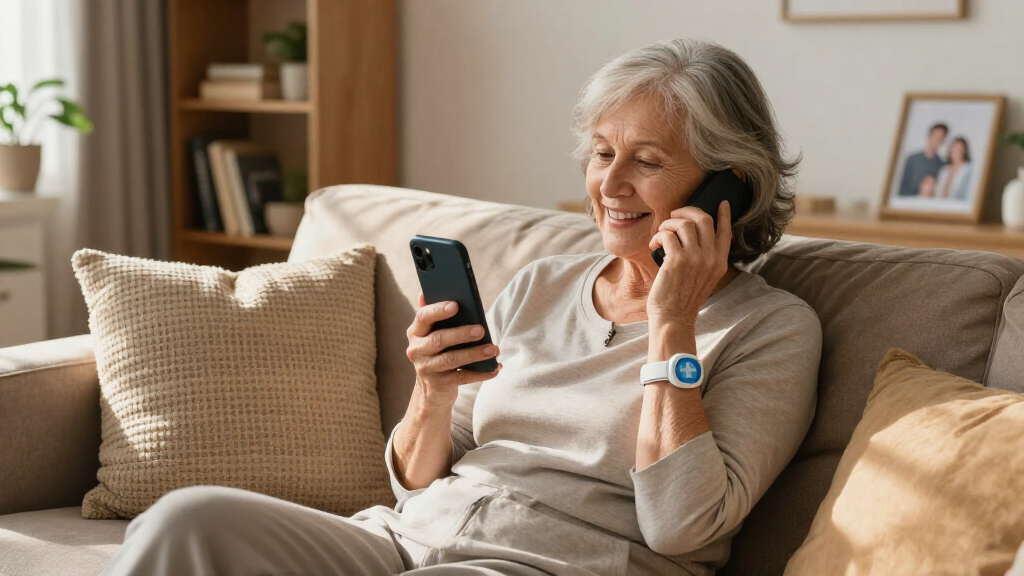

Emergency medical alert systems differ most in who receives the alert, where the device works, and whether ongoing service fees fund a staffed response center. My best overall pick is Bay Alarm Medical SOS Mobile GPS because its mobile, location-aware format suits the broadest mix of home and away-from-home use. Medical Guardian MGMini is my premium compact choice, while the no-monthly-fee necklace-and-wrist system is the value option for households willing to manage emergency calls themselves. The central tradeoffs are professional monitoring versus family-routed alerts, mobile coverage versus home-only simplicity, and automatic fall detection versus lower cost. Continue reading for my full breakdown of which setup best matches each buyer.

Turn quiet afternoons into listening time
- Thousands of audiobooks, podcasts and originals
- Listen on your phone, tablet or Echo — also offline
- Cancel anytime
Complete the kit


Key Takeaways
- Bay Alarm Medical SOS Mobile GPS ranks first because its mobile format and location features address more situations than the home-based landline and caregiver-pager options.
- No-monthly-fee systems offer the lowest ongoing cost, but they usually shift more responsibility to relatives, friends, or local emergency services instead of a staffed monitoring team.
- SecuLife offers the clearest form-factor choice: the SOS Wristband suits buyers who dislike pendants, while its Medical Alert Pendant is better for people who want a conventional wearable.
- The two ADT models serve different wearing preferences; the neck pendant separates the help button from the mobile equipment, while the all-in-one version favors a single-device setup.
- The two Medical Guardian MGMini entries appear to describe the same core model, so I would compare package contents, seller terms, and price rather than treat them as separate choices.
| Freedom Alert Landline Personal Emergency Device |  | Best No-Fee Landline System | Connectivity: Landline | Communication: Two-way voice | Power: Rechargeable | VIEW LATEST PRICE | See Our Full Breakdown |
| SecuLife SOS Wristband |  | Best for Caregiver Location Tracking | Brand: SecuLife | Form Factor: Wristband | Emergency Activation: One button | VIEW LATEST PRICE | See Our Full Breakdown |
| SecuLife Medical Alert Pendant |  | Best for Longer Battery Life | Brand: SecuLife | Form Factor: Pendant | Battery Life: Up to 6 days | VIEW LATEST PRICE | See Our Full Breakdown |
| Medical Alert System with Waterproof Necklace and Wrist Button |  | Best for Large Homes | Monthly Fees: None | Waterproof: Yes | Included Panic Buttons: 2 | VIEW LATEST PRICE | See Our Full Breakdown |
| ADT On-The-Go Mobile Medical Alert System |  | Best Professional Mobile Monitoring | Activation Method: Single button press | Monitoring: ADT professional monitoring | Mobile Network: AT&T nationwide | VIEW LATEST PRICE | See Our Full Breakdown |
| WiFi Caregiver Pager Life Alert System for Seniors with Waterproof Call Button, Watch Button, and Receiver |  | Best Long-Range Caregiver Pager | Connectivity: 2.4GHz Wi-Fi | Maximum stated range: 656 feet (200 meters) | Water resistance: Waterproof call button | VIEW LATEST PRICE | See Our Full Breakdown |
| Bay Alarm Medical SOS Mobile GPS Medical Alert System for Seniors |  | Best for Nationwide Mobility | Network: 4G LTE | Location technology: GPS tracking | Weight: Under 2 oz | VIEW LATEST PRICE | See Our Full Breakdown |
| Life Alert System for Seniors No Monthly Fee App-Controlled with Waterproof Wristband and Call Button |  | Best Loud In-Home Alert | Control method: Smartphone app | Wi-Fi requirement: 2.4GHz Wi-Fi | Maximum stated range: 300 feet | VIEW LATEST PRICE | See Our Full Breakdown |
| Medical Guardian MGMini Medical Alert Device for Seniors |  | Best Discreet Necklace | Device type: Medical alert necklace | Connectivity: Cellular | Location service: GPS location updates | VIEW LATEST PRICE | See Our Full Breakdown |
| ADT On-The-Go Emergency Medical Alert for Seniors, All-in-One |  | Best All-in-One Monitored Device | Device type: All-in-one mobile medical alert | Emergency control: One-button SOS | Monitoring: 24/7 professional emergency assistance | VIEW LATEST PRICE | See Our Full Breakdown |
| Medical Guardian MGMini Medical Alert Device for Seniors |  | Best Discreet Medical Alert Necklace | Device Type: Medical alert necklace | Battery Life: 3 days | Recharge Time: 4 hours | VIEW LATEST PRICE | See Our Full Breakdown |
| Safety+ 4G Medical Alert System with Fall Detection and GPS |  | Best for Longer Battery Life | Coverage: Nationwide 4G | Battery Life: Up to 6 days | Included Accessories: Charging dock, lanyard, and belt clip | VIEW LATEST PRICE | See Our Full Breakdown |
| emergency medical alert system | Fall Detection |
|---|---|
| Freedom Alert Landline Persona | — |
| SecuLife SOS Wristband | Yes |
| SecuLife Medical Alert Pendant | Automatic |
| Medical Alert System with Wate | — |
| ADT On-The-Go Mobile Medical A | — |
| WiFi Caregiver Pager Life Aler | — |
| Bay Alarm Medical SOS Mobile G | — |
| Life Alert System for Seniors | — |
| Medical Guardian MGMini Medica | Optional add-on at $10 per month |
| ADT On-The-Go Emergency Medica | Optional automatic detection |
| Medical Guardian MGMini Medica | Optional $10-per-month add-on |
| Safety+ 4G Medical Alert Syste | Yes |
More Details on Our Top Picks
Freedom Alert Landline Personal Emergency Device
I rank Freedom Alert as the strongest choice here for a landline household that wants direct two-way contact without a recurring bill. Its no-fee model sets it apart from the ADT On-The-Go system, which requires professional monitoring, while the 24-hour battery backup keeps the base useful through a short outage. Because the user can speak with family, police, or fire services, it offers more context than a simple one-way pager. I place it below mobile GPS options for active seniors: once the wearer leaves the home’s landline range, protection ends. It also depends on an existing landline, a service many households have dropped. The rechargeable design is practical, but buyers seeking automatic fall detection or caregiver location tracking should choose a SecuLife model instead.
Pros:- No monthly monitoring fee
- Two-way voice contact with family or emergency services
- Rechargeable device with 24-hour battery backup
- Simple controls suited to seniors
Cons:- Requires active landline service
- Protection is limited to the home
- No listed GPS tracking or automatic fall detection
Best for: Home-based seniors who retain landline service and want two-way emergency calling without monthly monitoring charges
Not ideal for: Active seniors who regularly leave home, because the system lacks mobile connectivity and GPS tracking
- Connectivity:Landline
- Communication:Two-way voice
- Power:Rechargeable
- Battery Backup:24 hours
- Monthly Fees:None
- Contact Options:Family, police, and fire services
- Operating Area:Home use
Our verdict“I recommend Freedom Alert for landline users who value direct communication and predictable costs over mobile coverage.”
SecuLife SOS Wristband
I give the SecuLife SOS Wristband its role because it combines one-button calling with real-time GPS, geofencing, and location history. Those tools help a family spot wandering or check whether a wearer reached a routine destination, capabilities Freedom Alert cannot provide outside the home. The waterproof wrist format may also be harder to misplace than a pendant. This is not the strongest value, however: its $25 monthly subscription costs more than the $20 SecuLife Medical Alert Pendant plan. The supplied information does not specify battery duration, while the pendant promises up to six days, giving that model an advantage for users who forget to charge devices. I also weigh the reported usability complaints against the feature set. This wristband fits caregiver-led monitoring better than buyers seeking professional call-center response.
Pros:- Real-time GPS tracking and location history
- Geofence alerts support wandering awareness
- One-button emergency calling with fall detection
- Waterproof wrist design suits daily wear
Cons:- Full features require a $25 monthly subscription
- Battery duration is not stated in the supplied data
- Mixed customer feedback includes usability concerns
Best for: Families monitoring a senior who may wander and needs geofence alerts, location history, and an always-worn wrist device
Not ideal for: Budget-focused households or users who struggle with apps, because full operation costs $25 per month and feedback mentions usability issues
- Brand:SecuLife
- Form Factor:Wristband
- Emergency Activation:One button
- Fall Detection:Yes
- Location Features:Real-time GPS and location history
- Geofencing:Yes
- Communication:Two-way calling
- Subscription:$25 per month for full features
- Warranty:1 year
Our verdict“I favor this wristband for families that prioritize location oversight and geofencing enough to accept the higher subscription price.”
SecuLife Medical Alert Pendant
I rank the SecuLife Medical Alert Pendant ahead of its wristband sibling for users who need fewer charging sessions. Its up-to-six-day battery reduces the chance that protection disappears because the device spent another night off the charger. It retains automatic fall detection, GPS, geofencing, and two-way family calling, yet its stated $20 monthly plan is $5 less than the SecuLife SOS Wristband subscription. The IP67 water resistance also supports wear in rain or the shower, where falls can occur. That value comes with uncertainty: the 3.8-out-of-5 customer rating is mixed, and the supplied data gives little insight into long-term durability. Calls go directly to family rather than a professional center, so I would choose ADT On-The-Go when trained monitoring matters more than battery life or subscription savings.
Pros:- Battery lasts up to six days
- Automatic fall detection and real-time GPS tracking
- IP67 water resistance supports shower and rain exposure
- Direct two-way calling to family without a call center
Cons:- Requires a $20 monthly subscription
- Long-term durability details are limited
Best for: Seniors who need mobile GPS protection but may forget frequent charging, with family members ready to receive emergency calls
Not ideal for: Households that want every alert handled by a professional monitoring center rather than relying on available relatives
- Brand:SecuLife
- Form Factor:Pendant
- Battery Life:Up to 6 days
- Water Resistance:IP67
- Fall Detection:Automatic
- Location Features:GPS tracking and geofence zones
- Communication:Two-way calling to family
- Subscription:$20 per month
- Included Items:Charging cable, SIM card, and user manual
Our verdict“I recommend this pendant when long battery life, GPS, and family-directed alerts outweigh the benefits of professional monitoring.”
Medical Alert System with Waterproof Necklace and Wrist Button
I assign this no-monthly-fee medical alert system the large-home role because its stated 70,000-square-foot range is far broader than the home-focused coverage described for Freedom Alert. Two included waterproof buttons let a user keep one on the wrist and another as a necklace, while support for up to eight buttons can cover multiple residents. The system calls as many as three chosen numbers with a personalized message, which spreads an alert across several contacts without paying a monitoring company. Unlike Freedom Alert, however, the description does not list two-way voice communication, so recipients may get less context before responding. It also lacks the GPS tracking offered by both SecuLife devices and depends on a phone connection. I see the expandable button capacity as useful for a large property, though configuring several buttons and contacts may challenge less technical households.
Pros:- No monthly service fees
- Stated coverage reaches 70,000 square feet
- Includes waterproof wrist and necklace buttons
- Supports up to eight buttons and three contact numbers
Cons:- No GPS tracking or listed automatic fall detection
- Requires a landline or compatible phone connection
- Multi-button and multi-contact setup may be difficult for some users
Best for: Large or multi-resident households that want several wearable panic buttons and family-directed calls without monthly fees
Not ideal for: Seniors who travel alone or need automatic fall detection, GPS tracking, and professional emergency operators
- Monthly Fees:None
- Waterproof:Yes
- Included Panic Buttons:2
- Wearable Formats:Wrist and necklace
- Maximum Buttons:Up to 8
- Stated Range:70,000 square feet
- Call Capacity:Up to 3 phone numbers
- Alert Message:Personalized recorded message
- Connection Requirement:Landline or phone connection
Our verdict“I would choose this system for a large connected property where range and multiple panic buttons matter more than mobile tracking.”
ADT On-The-Go Mobile Medical Alert System
I place the ADT On-The-Go Mobile Medical Alert System first for buyers who want a professional response team behind a single button. Compared with the SecuLife Medical Alert Pendant, which routes alerts directly to family, ADT professional monitoring reduces dependence on a relative noticing and answering a call. Its AT&T nationwide connection and waterproof wristband-or-necklace format also suit seniors who remain active beyond the house, unlike Freedom Alert’s landline-bound protection. Caregiver updates add useful visibility without making relatives the sole emergency contact. The tradeoff is an ongoing monitoring plan plus phone activation, and the supplied information does not state pricing or clarify long-term contract choices. It also does not confirm GPS tracking or automatic fall detection, both explicit strengths of the SecuLife models. I favor this pick when human monitoring and mobile coverage carry more weight than transparent costs or advanced location tools.
Pros:- ADT professional monitoring handles emergency calls
- Single-button activation is straightforward
- AT&T nationwide network supports mobile use
- Waterproof wearable options and caregiver updates
Cons:- Requires activation and a monthly monitoring plan
- Plan pricing and long-term contract choices are not provided
- Supplied specifications do not confirm GPS or automatic fall detection
Best for: Active seniors whose families want emergencies routed to professional monitors instead of relying only on personal contacts
Not ideal for: Price-sensitive buyers or families requiring confirmed GPS and automatic fall detection, because plan pricing and those features are not specified
- Activation Method:Single button press
- Monitoring:ADT professional monitoring
- Mobile Network:AT&T nationwide
- Waterproof:Yes
- Wearable Formats:Wristband or necklace
- Caregiver Updates:Yes
- Service Plan:Required
- Activation Requirement:Phone activation
Our verdict“I recommend ADT On-The-Go for mobile seniors who value professional response coverage more than no-fee ownership or confirmed GPS features.”
WiFi Caregiver Pager Life Alert System for Seniors with Waterproof Call Button, Watch Button, and Receiver
I rank this as the best long-range caregiver pager because its 656-foot stated range is more than double the 300-foot range of the Life Alert System for Seniors No Monthly Fee. The combination of a waterproof call button, wearable watch button, and receiver also gives households more placement flexibility. App alerts can reach multiple caregivers, while adjustable volume and ringtones make the local alarm easier to recognize in a busy home. This is still a caregiver-directed system, not a professionally monitored safety service like the Bay Alarm Medical SOS Mobile GPS. It relies on 2.4GHz Wi-Fi, and SMS or telephone alerts cost extra. I see it as a strong fit for multistory homes where family or staff can respond, but a weaker choice for independent travel or direct emergency dispatch.
Pros:- Stated 656-foot range supports larger or multistory homes
- Includes both a waterproof call button and a wearable watch button
- App notifications can be shared with multiple caregivers
- Basic caregiver alerts have no monthly fee
Cons:- Depends on a 2.4GHz Wi-Fi network for connected alerts
- SMS and telephone notifications require a paid subscription
- No professional monitoring or built-in cellular coverage
Best for: Families or care-home staff who need long-range alerts from several rooms and can personally respond to calls for help
Not ideal for: Seniors living alone who need professional monitoring, direct emergency dispatch, or protection away from Wi-Fi
- Connectivity:2.4GHz Wi-Fi
- Maximum stated range:656 feet (200 meters)
- Water resistance:Waterproof call button
- Included controls:Call button and watch button
- Included receiver:Wireless receiver with customizable ringtones and volume
- App support:Remote notifications and multiple users
- Power:Battery operated; battery details not provided
Our verdict“I recommend this for households wanting broad in-home coverage without a basic monthly fee, provided a caregiver is available to respond.”
Bay Alarm Medical SOS Mobile GPS Medical Alert System for Seniors
I give the Bay Alarm Medical SOS the mobility slot because 4G LTE coverage and GPS tracking extend protection beyond the home. That makes it more suitable for active seniors than the WiFi Caregiver Pager, which depends on a nearby receiver and 2.4GHz Wi-Fi. At under two ounces, the device can hang from a lanyard or attach by belt clip without adding much bulk, while a battery lasting several days reduces daily charging pressure. Its one-button emergency connection also offers a clearer response path than an app-only caregiver alert. The tradeoff is an ongoing service plan, and the supplied information does not spell out fall-detection performance or pricing. Compared with the Medical Guardian MGMini, this model’s disclosed subscription details are less transparent. I favor it for seniors who leave home regularly and value cellular reach over fee-free ownership.
Pros:- 4G LTE connection supports use away from home
- GPS tracking can help caregivers locate the wearer
- Under-two-ounce body offers lanyard and belt-clip wear
- Several-day battery life reduces charging frequency
Cons:- Requires an ongoing service subscription
- Fall detection is optional and its capabilities are not fully detailed
- Performance depends on cellular coverage
Best for: Active seniors who regularly shop, walk, drive, or travel within cellular coverage and want GPS-backed emergency access
Not ideal for: Budget-focused households seeking a no-fee home pager or buyers who need clearly documented fall-detection costs before purchase
- Network:4G LTE
- Location technology:GPS tracking
- Weight:Under 2 oz
- Water resistance:Water-resistant
- Battery life:Several days
- Wearing options:Neck lanyard and belt clip
- Service requirement:Paid subscription required
Our verdict“I would choose this for an active senior who needs lightweight, GPS-enabled protection beyond the house and accepts a recurring plan.”
Life Alert System for Seniors No Monthly Fee App-Controlled with Waterproof Wristband and Call Button
I selected this model as the best loud in-home alert because its 110-decibel receiver can make a help request hard to miss across an occupied home or care facility. Its waterproof wristband is suited to shower use, while the LED display provides a visible cue alongside the alarm. Compared with the WiFi Caregiver Pager, however, its 300-foot maximum range is much shorter than the competing system’s stated 656 feet. Both avoid a monthly charge for basic app alerts and both require 2.4GHz Wi-Fi, so the choice comes down to louder local signaling versus broader coverage. The system is not equivalent to the ADT On-The-Go unit: it alerts personal caregivers rather than a 24/7 monitoring center. I place it below monitored mobile options for seniors living alone, but its simple home-focused setup suits nearby family or staff responders.
Pros:- 110-decibel alarm is suitable for noisy homes and care settings
- Waterproof wristband can be worn in the shower
- LED receiver adds a visible alert indicator
- Basic caregiver app alerts carry no monthly fee
Cons:- 300-foot stated range is shorter than the WiFi Caregiver Pager
- Requires 2.4GHz Wi-Fi and compatible smartphones
- SMS notifications require an additional subscription
Best for: Caregiver households and small care facilities that need a very loud local alarm plus remote app notifications
Not ideal for: People in large properties, frequent travelers, or seniors who need a monitoring center to contact emergency services
- Control method:Smartphone app
- Wi-Fi requirement:2.4GHz Wi-Fi
- Maximum stated range:300 feet
- Alarm volume:110 dB
- Wearable:Waterproof wristband remote
- Receiver:LED display receiver
- Batteries:2 A batteries included
- Dimensions:3.9 x 1.9 x 3.9 inches
Our verdict“I favor this for smaller homes where a loud receiver and waterproof wearable matter more than cellular mobility or professional monitoring.”
Medical Guardian MGMini Medical Alert Device for Seniors
I rank the Medical Guardian MGMini as the best discreet necklace because it combines a low-profile wearable format with two-way communication, GPS updates, and 24/7 monitoring. Compared with the ADT On-The-Go all-in-one device, it offers both a lanyard and belt clip, giving wearers more control over how the unit sits with daily clothing. Its three-day battery also supports short trips without nightly charging, though the four-hour recharge window requires some planning. The main compromise is price: monitoring costs $43.95 per month after the trial, and fall detection adds another $10 monthly. Only one active device is allowed per member, limiting flexibility for households wanting a backup unit. I place this above caregiver pagers for solo seniors because a monitoring team can answer the SOS, but fee-conscious families may prefer a no-monthly-fee home system.
Pros:- Discreet necklace design supports regular daily wear
- Two-way speaker connects the wearer with 24/7 monitoring
- GPS location updates support help away from home
- Three-day battery works well for short trips
Cons:- Monitoring costs $43.95 per month after the free trial
- Optional fall detection adds $10 per month
- Limited to one active device per member
Best for: Style-conscious seniors who live independently and want a discreet, professionally monitored GPS wearable for home and outings
Not ideal for: Households avoiding recurring fees or members who want multiple active devices under one account
- Device type:Medical alert necklace
- Connectivity:Cellular
- Location service:GPS location updates
- Battery life:3 days
- Recharge time:4 hours
- Monitoring:24/7 professional service
- Monitoring price:$43.95 per month after free trial
- Fall detection:Optional add-on at $10 per month
- Included accessories:Lanyard and belt clip
Our verdict“I recommend the MGMini for independent seniors who value discreet wear and professional response enough to accept the higher monthly cost.”
ADT On-The-Go Emergency Medical Alert for Seniors, All-in-One
I chose the ADT On-The-Go for buyers who want one mobile unit without separate pendants, base stations, or household Wi-Fi hardware. Built-in GPS and cellular service let it cover home and away use, while one-button SOS access connects to 24/7 professional monitoring. That response model is better suited to a senior living alone than the Life Alert System for Seniors No Monthly Fee, which routes alerts to personal caregivers. Compared with the Medical Guardian MGMini, ADT emphasizes a single self-contained design rather than multiple wearing accessories, though some users may find fewer configuration choices limiting. A monthly plan is mandatory, automatic fall detection costs extra, and ADT states that the feature cannot identify every fall. Activation also requires a telephone call. I rank it highly for straightforward monitored protection, but not for buyers seeking fee-free operation.
Pros:- All-in-one construction avoids separate pendants and base units
- Built-in GPS and cellular service support mobile use
- One-button SOS reaches 24/7 professional monitoring
- No home Wi-Fi connection is listed as necessary
Cons:- A monthly monitoring plan is required
- Automatic fall detection costs extra and cannot detect every fall
- Activation requires a telephone call
Best for: Independent seniors who want one self-contained GPS device backed by a professional monitoring team at home and away
Not ideal for: Buyers who dislike monthly contracts, want several wearing accessories, or expect automatic fall detection to catch every incident
- Device type:All-in-one mobile medical alert
- Emergency control:One-button SOS
- Monitoring:24/7 professional emergency assistance
- Service provider:ADT
- Connectivity:Built-in cellular service
- Location technology:Built-in GPS
- Fall detection:Optional automatic detection
- Service requirement:Monthly plan required
- External accessories:None required
Our verdict“I would pick this for a senior who wants a simple all-in-one monitored device and is comfortable paying for ongoing service.”
Medical Guardian MGMini Medical Alert Device for Seniors
I rank the Medical Guardian MGMini as the best discreet necklace because its compact styling makes emergency coverage feel less clinical. The SOS button and two-way speaker connect the wearer with 24/7 U.S.-based monitoring, while location updates and step counting give caregivers added visibility when a parent remains active outside the home. Compared with the Safety+ 4G Medical Alert System, the MGMini is the more appearance-conscious choice, but its three-day battery lasts only half as long and needs a four-hour recharge. The $43.95 monthly monitoring fee is also higher, and fall detection adds another $10 per month. I would favor this model for an independent senior who may resist wearing a conspicuous alarm, while buyers focused on longer battery life and included fall detection should choose Safety+ instead.
Pros:- Discreet necklace design may encourage consistent daily wear
- Two-way speaker supports direct communication with the monitoring center
- Location updates and step counting help caregivers follow mobility and activity
- 24/7 U.S.-based monitoring provides around-the-clock emergency response
Cons:- $43.95 monthly monitoring subscription is required after the free trial
- Fall detection costs an additional $10 per month
- Three-day battery life is shorter than the Safety+ system, and only one active device is allowed per member
Best for: Independent, active seniors who want a discreet necklace with monitored help, location updates, and basic activity tracking
Not ideal for: Budget-focused households or forgetful chargers, since monitoring and fall detection cost extra and the battery lasts three days
- Device Type:Medical alert necklace
- Battery Life:3 days
- Recharge Time:4 hours
- Subscription Required:Yes
- Monthly Monitoring Cost:$43.95 after free trial
- Fall Detection:Optional $10-per-month add-on
Our verdict“I recommend the MGMini for active seniors who value discreet wear and caregiver visibility enough to accept its recurring fees and shorter battery life.”
Safety+ 4G Medical Alert System with Fall Detection and GPS
I place the Safety+ 4G Medical Alert System ahead of shorter-lasting mobile pendants for buyers who cannot recharge a device every few days. Its battery runs for up to six days, twice the stated life of the Medical Guardian MGMini, while fall detection and GPS are included rather than treated as separate hardware features. A charging dock, lanyard, belt clip, and caregiver app make it flexible for different routines, and setup does not require a smartphone. Compared with the Medical Guardian MGMini, Safety+ sacrifices some of the necklace-like discretion but charges a lower stated monthly fee after the first month. I still see two meaningful cautions: emergency access depends on nationwide 4G availability, and the unspecified waterproof rating leaves uncertainty around shower use or submersion. It is the stronger pick for low-maintenance mobile coverage.
Pros:- Up to six days of battery life reduces charging frequency
- Fall detection and GPS support emergencies when the wearer cannot provide a location
- Caregiver app adds activity and emergency visibility for family members
- Lanyard and belt clip provide multiple everyday wearing options
Cons:- $40 monthly subscription applies after the first month
- Emergency communication depends on available 4G cellular coverage
- The exact durability and waterproof rating are not provided
Best for: Seniors who travel beyond the home and need longer battery life, automatic fall detection, GPS, and caregiver app access
Not ideal for: People in weak cellular-service areas or buyers who need a clearly documented waterproof rating for showering or submersion
- Coverage:Nationwide 4G
- Battery Life:Up to 6 days
- Included Accessories:Charging dock, lanyard, and belt clip
- Caregiver Access:Caregiver app included
- Fall Detection:Yes
- GPS:Yes
- Water Resistance:Yes; rating not specified
- Connectivity:Included cellular connection
- Monitoring Cost:$40 per month after the first month
Our verdict“I would choose Safety+ for a mobile senior who prioritizes longer battery life and included fall detection over pendant discretion and documented waterproofing.”
How We Picked
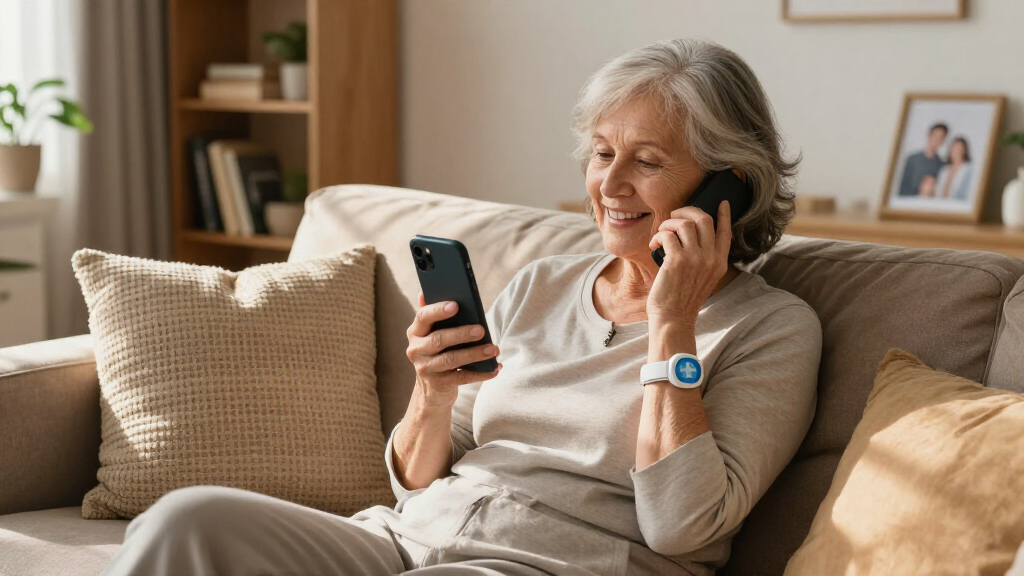
I ranked these systems by how clearly they create a dependable path from pressing the help button to receiving assistance. The highest weight went to emergency-response structure, coverage beyond the home, GPS usefulness, and fall-detection availability. I then compared wearability, water resistance, charging demands, setup complexity, and the role of caregiver apps. This weighting places broad mobile systems above home-only pagers for most buyers, while still recognizing that a simpler local system can be a better match for a specific household.
I also separated features that sound similar but lead to different outcomes. Professional monitoring can connect a user with a trained response agent, while no-fee calling systems commonly depend on programmed contacts or direct emergency calls. I treated those no-fee products as value or home-use choices rather than equal substitutes for monitored service. Listing clarity affected the order as well: duplicate models and unclear service details received less editorial weight, and buyers should verify current plan fees, cellular coverage, contract terms, and included accessories before purchasing.
| emergency medical alert system | Fall Detection |
|---|---|
| Freedom Alert Landline Persona | — |
| SecuLife SOS Wristband | Yes |
| SecuLife Medical Alert Pendant | Automatic |
| Medical Alert System with Wate | — |
| ADT On-The-Go Mobile Medical A | — |
| WiFi Caregiver Pager Life Aler | — |
| Bay Alarm Medical SOS Mobile G | — |
| Life Alert System for Seniors | — |
| Medical Guardian MGMini Medica | Optional add-on at $10 per month |
| ADT On-The-Go Emergency Medica | Optional automatic detection |
| Medical Guardian MGMini Medica | Optional $10-per-month add-on |
| Safety+ 4G Medical Alert Syste | Yes |
Factors to Consider When Choosing Emergency Medical Alert Systems
Choosing among these products gets easier once I separate emergency response from convenience features. GPS, apps, and fall sensing can be useful, but the first question is always who receives an alert and what happens next. I would match that response path to the user’s health risks, daily routine, available caregivers, and comfort with charging or wearing a device.
Choose Between Professional Monitoring and Family-Routed Alerts
I recommend starting by tracing exactly what happens after the button is pressed. A professionally monitored system sends the alert to a staffed center that can speak with the user, contact relatives, or request emergency assistance under the provider’s procedures. A no-monthly-fee device may call selected contacts or emergency services directly, which lowers ongoing cost but places more responsibility on the household. That approach can work well when several nearby caregivers reliably answer their phones. A common mistake is comparing only the hardware price while treating both response models as equivalent. I would pay for monitoring when the user lives alone, has unpredictable medical episodes, or lacks a dependable family response chain.
Match Coverage to the User’s Real Routine
A home-based unit can be a sensible choice for someone who rarely leaves without another person. Landline systems may offer a straightforward emergency path, but their protection is tied to the home and the wearable’s range from its base. Mobile cellular devices are better suited to errands, walks, travel, and appointments, provided the service has coverage in those areas. GPS can help responders or caregivers locate the device, yet it does not repair weak cellular reception. I would check coverage at the home, along regular routes, and inside frequently visited buildings rather than rely on a nationwide map alone. Paying more for mobility makes little sense if the device will remain beside a chair, but it can be worthwhile for an active user who spends time alone outdoors.
Treat Automatic Fall Detection as a Backup
Automatic fall detection can trigger an alert when the wearer cannot reach or press a button, but no sensor catches every fall. Slow slides, supported falls, and unusual body movements can be harder to identify, while abrupt everyday activity may create a false alarm. I would ask whether the feature is included, sold as an add-on, or tied to a higher service plan. Buyers should also learn how the monitoring team handles a detected event when the wearer does not respond. For someone with a high fall risk, the extra layer can justify added cost, but it should not replace home modifications or regular medical care. The user still needs a manual help button that is easy to reach and press.
Prioritize Wearability and Charging Habits
A feature-rich alert device offers little protection when it is routinely left on a dresser. Wristbands tend to feel familiar and remain accessible during a fall, though some users dislike sleeping with them or fastening small clasps. Pendants can provide a larger button and easy adjustment, but they may swing during activity or be removed when changing clothes. An all-in-one mobile unit reduces the number of pieces to manage, although it can be heavier than a simple wearable button. Water resistance matters because bathrooms are high-risk areas, but buyers should verify whether a device is rated for showering or only for brief splashes. I would build charging into an existing daily routine and check whether the user can reconnect or replace the device without help.
Calculate the Full Cost and Caregiver Workload
I would compare both the first-year and later-year cost rather than focus on the advertised device price. The real figure may include monitoring charges, activation, shipping, fall-detection fees, replacement accessories, and cellular service. No-fee products remove a recurring bill, but they can create hidden work for relatives who must configure contacts, monitor an app, test the system, and respond at any hour. App-controlled systems are most useful when caregivers are comfortable with notifications and keep their phones available. Contract length, trial periods, cancellation rules, and equipment-return policies can matter more than a small monthly price difference. My rule is to pay for the level of response the household can realistically maintain, not the longest feature list.
Frequently Asked Questions
Do I Need a Monthly Monitoring Plan, or Is a No-Fee System Enough?
I would choose a monthly monitoring plan when the user lives alone, may become confused during an emergency, or cannot depend on relatives answering immediately. A staffed center can gather information and follow an established response process at any hour. A no-fee system can be enough for a lower-risk user with several reliable contacts nearby and a clear backup plan. The monthly charge offers less value when an in-home caregiver is already present around the clock. Compare the full response chain, not merely the difference between a recurring bill and a one-time purchase.
Will a Landline Medical Alert Work During an Internet or Power Outage?
A traditional landline alert system may place calls without internet access, but the base unit or handset may still rely on household power or a backup battery. Cordless phone equipment can stop working during an outage even when the telephone line remains active. A phone service delivered through a cable modem or router is not the same as a traditional landline and may fail when that equipment loses power. I would ask how long the alert equipment’s battery lasts and test the setup under controlled outage conditions. Freedom Alert makes the most sense only after confirming phone-service compatibility and backup-power behavior at the buyer’s address.
Can Automatic Fall Detection Replace Pressing the Help Button?
No; I treat automatic fall detection as an added safeguard rather than the main way to request help. Sensors can miss certain falls, especially gradual collapses or events where the wearer catches part of the descent. They may also interpret forceful daily movement as a fall, though monitoring staff can often resolve a false alert through two-way communication. A buyer with limited hand strength should still check that the manual button is easy to activate. The strongest setup combines fall sensing, a reachable button, and a clear response procedure.
Is GPS Tracking Worth Paying Extra For?
GPS tracking is most useful for someone who walks, drives, shops, or attends appointments alone. It can also help families supporting a person who becomes disoriented, although access rules and privacy expectations should be agreed on beforehand. GPS adds less value to a homebound user whose base station already identifies a fixed service address. Location accuracy can vary indoors, and the device normally needs cellular connectivity to send its position. I would pay extra when away-from-home location is part of the safety need, not simply because GPS appears on the feature list.
Should I Choose a Wristband, Pendant, or All-in-One Device?
I would choose the style the user is most likely to wear throughout the day. A wristband stays close to the hand and may suit someone who dislikes a cord around the neck, while a pendant often provides a larger target and simpler fit. A separate wearable button can feel lighter, but its operating range may depend on a base or mobile unit carried nearby. An all-in-one device keeps calling, location, and button functions together, though the added size can make it easier to leave behind. Compare comfort while sleeping, bathing, dressing, and charging because daily compliance matters more than the form factor that looks best in a listing.
Conclusion
For most buyers, my best overall choice is Bay Alarm Medical SOS Mobile GPS because its mobile, location-aware design covers a wider daily routine than the landline and in-home pager systems. My best value pick is the no-monthly-fee waterproof necklace-and-wrist system, provided dependable contacts are prepared to handle alerts. The Medical Guardian MGMini is my premium compact pick, but the duplicate listings should be compared for package differences rather than purchased as separate models. For a first-time buyer who wants fewer components to manage, the ADT On-The-Go All-in-One is my beginner choice; ADT’s neck pendant is the better alternative for someone who prefers a conventional wearable. Freedom Alert fits dedicated landline users, while the Wi-Fi caregiver pager is better for same-home caregiving and the app-controlled no-fee system suits families comfortable managing alerts by phone. I would choose between the SecuLife wristband and pendant by wearing preference, while Safety+ 4G makes the most sense when GPS and fall detection are both high priorities.