
TL;DR

Turn quiet afternoons into listening time
- Thousands of audiobooks, podcasts and originals
- Listen on your phone, tablet or Echo — also offline
- Cancel anytime
A hobbyist-built alarm clock triggers capacitor explosions to wake users, inspired by a Hackaday project. While effective, it raises safety questions and technical curiosity.
A hobbyist project has created an alarm clock that wakes users by intentionally blowing up electrolytic capacitors with reverse voltage, a method inspired by a Hackaday feature. While effective at waking, it raises significant safety concerns and technical questions about its practicality.
The project involves an ESP32 microcontroller that triggers a relay to overload a low-voltage electrolytic capacitor in a socket, causing it to explode and wake the user. This unconventional approach was inspired by a Hackaday video and is intended solely as a demonstration of DIY electronics experimentation. The creator emphasizes that this is not a safe or recommended device for regular use, as exploding capacitors pose risks including flying debris and electrical hazards.
Hackaday highlights that the project is more of a novelty or entertainment piece rather than a practical alarm solution. It also serves as a reminder of the differences between capacitors with vents and those without, which affects safety during failure. No official or commercial alarm clocks currently use this method; it remains a hobbyist experiment.
Safety and Practicality Concerns of Explosive Capacitor Alarms
This project underscores the importance of safety in DIY electronics. While it demonstrates a creative approach to waking someone up, it also highlights the hazards associated with intentionally causing electronic components to explode. Such experiments are not suitable for consumer devices and could pose injury risks if attempted outside controlled environments. The demonstration serves as a cautionary example of pushing the boundaries of DIY electronics without regard for safety standards.
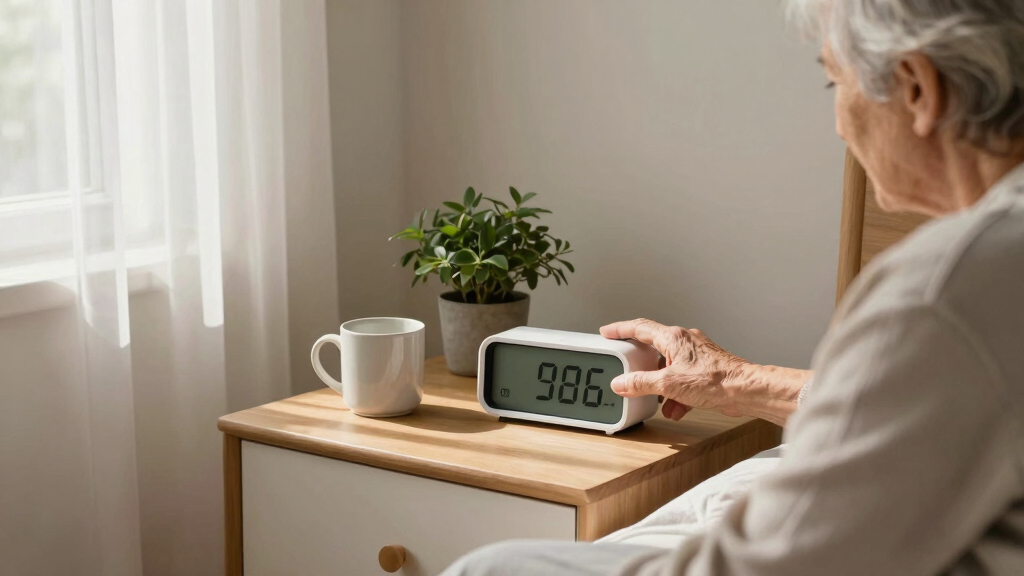
digital alarm clock with loud wake-up sound
As an affiliate, we earn on qualifying purchases.
As an affiliate, we earn on qualifying purchases.
Background on Explosive Capacitor Projects and DIY Electronics
Exploding capacitors as a method to wake users is not new but remains highly experimental and dangerous. The Hackaday project builds on previous hobbyist experiments inspired by online videos like those from ElectroBoom, which showcase capacitor explosions for entertainment. These projects often highlight the differences between capacitor types and safety features, but they are not intended for practical use. The concept of using explosive components for alarms is widely regarded as unsafe and not adopted in commercial products.
“This project is more of a demonstration than a practical device, and it emphasizes the importance of safety in electronics experimentation.”
— an anonymous researcher
Safety Risks and Practical Limitations of Capacitor Explosions
It remains unclear whether any safer, more practical versions of this concept could be developed, or if commercial devices could incorporate such a feature without risking safety. The long-term viability and safety regulations surrounding such experiments are also not established.
Potential for Safer Wake-Up Technologies and DIY Caution
Future developments may focus on safer, more reliable alarm mechanisms that do not involve explosive components. Meanwhile, the DIY community and safety authorities are likely to continue emphasizing caution around experiments that pose physical hazards, especially those involving high voltages or explosive elements. No commercial adoption of this approach is expected.
Key Questions
Is this alarm clock safe to use?
No, this alarm clock is not safe. It involves intentionally causing electrolytic capacitors to explode, which can pose serious safety risks including injury from flying debris and electrical hazards.
Could this method be used in a real product?
No, due to safety concerns and regulatory standards, this explosive capacitor method is not suitable for commercial or consumer products.
Why do some hobbyists experiment with exploding capacitors?
Many do so for entertainment, educational purposes, or to understand capacitor failure modes, but it is inherently dangerous and not recommended for untrained individuals.
Are there safer alternatives to wake someone up?
Yes, there are many safe and reliable alarm options available, including traditional sound alarms, vibrating devices, and smart home integrations.
Source: Hackaday
Fall Picks
fall essentials
As an affiliate, we earn on qualifying purchases.