TL;DR
The CallToU Caregiver Pager Wireless Call Button Nurse Alert System has a significant drop below its typical price and is flagged near its recent low. Check the current listing, alert range, setup details, and whether a local pager meets the household’s needs.
The CallToU Caregiver Pager Wireless Call Button Nurse Alert System is seeing a significant drop below its typical price, with the deal signal placing it near a recent low. It is designed to let someone at home press a call button and alert a nearby caregiver through a receiver. That can help when a family member is close by but in another room. It does not, by itself, provide a monitored medical alert service or an emergency response plan.

Turn quiet afternoons into listening time
- Thousands of audiobooks, podcasts and originals
- Listen on your phone, tablet or Echo — also offline
- Cancel anytime
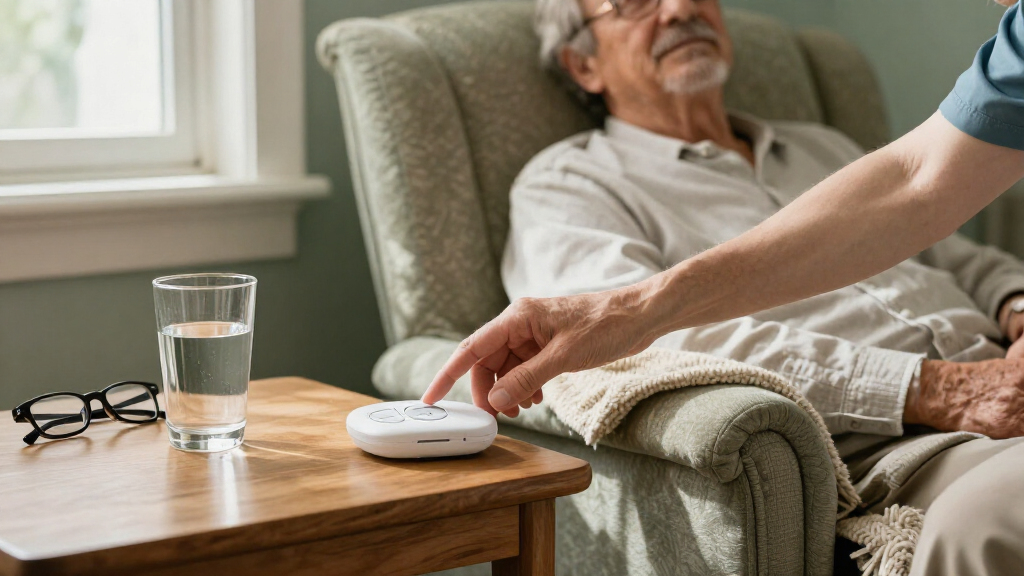
For example, a person resting in a bedroom might use the button to get a caregiver’s attention while that caregiver prepares a meal elsewhere. The benefit depends on more than the wireless signal: the button must be within reach, the receiver must be where someone can notice it, and that person must be available to respond. Before treating the price drop as a reason to buy, compare the setup with the user’s daily routine and the home’s layout. Confirm the current offer on the retailer page, since availability and terms can change.
The deal signal describes a significant drop below the CallToU pager’s typical price and labels it near a recent low.
A local call button may help alert a nearby caregiver, but someone must hear the receiver and respond.
Check the live listing, included components, power requirements, coverage, and care plan before purchasing.
What changed
The deal signal describes a significant drop below the CallToU pager’s typical price and gives it a near_low verdict. That makes the listing worth checking, but it does not establish an all-time low or predict how long the offer will last. Check the retailer page for the current offer, seller, shipping, and any conditions before deciding.
The product name describes a wireless call button and pager-style alert system for home care. Its basic job is to send a signal from the button to a receiver; the household supplies the human response. That distinction matters when comparing it with services that connect users to an external response center. If the person needs help while alone, outside the home, or during an emergency, a local receiver may leave gaps that another type of service or a broader care plan would need to address.
Check what the package includes before comparing its value with other devices. The number of buttons and receivers affects which rooms can be covered, while batteries or other required components can affect setup and ongoing use. A package suited to one bedroom and a nearby caregiver may not serve several rooms or multiple users. The deal becomes relevant only after the included pieces match the intended setup.
Products Worth Considering

Levoit Core 400S-P Smart Air Purifier for Large Rooms

LEVOIT Vital 200S-P Smart Air Purifier for Large Rooms

Bowflex SelectTech 840 Adjustable Kettlebell
As an affiliate, we earn on qualifying purchases.
Why it matters
A call button can help close a specific gap: a caregiver is in the home but out of sight or earshot. Someone who needs assistance getting up, for example, may be able to signal from a bedside button rather than trying to walk unaided or shout. The tradeoff is that the device depends on both a working signal and a person who can hear and answer it. If either part is missing, the alert may not lead to help.
Think of it like a doorbell inside the home. It announces that someone wants attention, but it cannot make another person available or guarantee they notice the signal. Receiver placement, household noise, walls, floors, and battery condition can all affect whether the alert is useful in practice. A trial from the intended button locations can help reveal dead spots, but it cannot guarantee the system will work in every circumstance.
Fit also depends on the person using the button. Button size, placement, and the effort needed to press it may matter for someone with limited dexterity or vision; the receiver’s alert may need to be noticeable to the caregiver. Consider whether the user can reach and remember to use it, and whether the caregiver can recognize and respond to the alert. If the person may need support when no caregiver is nearby, discuss options with a qualified professional or care team. The deal signal is a shopping cue, not evidence of medical monitoring or emergency dispatch.
Check the live price
Use the live listing to confirm whether the deal is still active and what the checkout terms show. The current price appears here:
. Offers can change, so check the item page directly before making a decision. Check the CallToU price on Amazon.On the product page, confirm the exact variant, seller, delivery estimate, return terms, and package contents. If you plan to keep the receiver in the kitchen, check whether the button’s intended location can reach it. Any range stated by the seller is a starting point; walls and building layout can affect performance. Also confirm what power sources the button and receiver need, how low battery is indicated, and whether the package contains enough components for the rooms where you plan to use it.
Then match the setup to a response plan. Decide who will carry or monitor the receiver, what they should do when it sounds, and what backup method the user can use if the alert is missed. Consider whether the person can reliably reach and press the button. These checks help show whether the offer represents value for this household: a favorable price cannot make an unsuitable device reliable or fill gaps in who is available to respond.
Fit the system to the household
Map the likely button locations and the places where a caregiver spends time. A compact home with a caregiver nearby may make a local pager practical, while a larger home with several floors could make it harder to notice or receive the signal. Consider ordinary conditions too: a receiver near a noisy appliance or in a room where nobody stays may not be heard. This is why product range alone cannot tell you whether the device will serve the household.
Check how the user will access the button throughout the day. A button kept on a bedside table may be convenient while resting but out of reach in another room. If you expect it to be worn or carried, verify that the product instructions support that use and that the person can manage it comfortably. After setup, test the chosen locations according to the manufacturer’s directions. A successful test can help identify practical placement issues, though it is not a guarantee of uninterrupted performance.
Agree on what a press means and how quickly someone should check in. For instance, family members might treat an alert as a request to visit the room, while keeping a separate plan for urgent situations. That clarity helps prevent a missed signal from being mistaken for a routine request, especially when several people share caregiving. A local pager works best when its limits and the household’s response expectations are understood by both the user and caregiver.
Compare the alert with other needs
The CallToU system may fit a household whose main goal is to let someone signal a nearby caregiver inside the home. A need for remote monitoring, an outside response center, or help when the user is away calls for comparing other service types. These systems have different roles: a local pager alerts a receiver, while a monitored service may connect the user to an external responder under its own coverage and service terms.
Consider a caregiver who is present during the day but leaves in the evening. The button may be useful while someone is available to hear it, but it cannot cover the unattended hours. Similarly, a person who regularly leaves home may need an option designed for use beyond the house. Listing who is available and when can show whether a local alert fills a real gap or only covers part of the routine.
Compare ongoing costs, connectivity needs, service commitments, cancellation terms, and the response offered where relevant. Ask the care recipient what feels manageable; a device has limited practical value if they cannot or do not want to use it. If falls, memory challenges, or other health concerns affect the choice, discuss the level of support with a qualified healthcare professional or care team.
Frequently Asked Questions
What does the deal alert say about the CallToU pager?
The signal describes a significant drop below its typical price and a near_low deal verdict. It does not promise a fixed offer duration or establish an all-time low, so check the live retailer listing.
Does this system contact emergency services?
The product is described as a wireless call button and pager for home care. Do not assume it contacts emergency services or provides professional monitoring; review the listing and instructions, and choose a response plan suited to the household.
What should I check about coverage?
Review any stated wireless range and test the intended locations according to the manufacturer’s directions. Walls, floors, and placement can affect a signal, so a receiver that works in one room may not suit every home layout.
How can I tell whether it suits the intended user?
Consider whether the person can reach and operate the button, whether the signal is noticeable to the caregiver, and whether someone is available to respond. Discuss additional needs with a healthcare professional or care team.
What should I verify on the product page before buying?
Confirm the exact variant, included buttons and receivers, power requirements, seller, shipping, return terms, and current offer. Make sure the package supports the rooms and routine where the system will be used.
Conclusion
The CallToU Caregiver Pager’s deal signal makes this a reasonable time to review the product if a simple in-home alert fits the household’s routine. Its usefulness depends on the user reaching the button, the receiver getting a clear signal, and a caregiver being available to respond. Confirm the listing’s current terms and package details, then consider whether a local pager addresses the need or whether broader support is required. A lower price adds value only when the device’s role and the household’s response plan are clear.