To encourage more standing, stretching, and walking in retirement, set purposeful routines like scheduled outdoor walks or stretching breaks. Use reminders or alarms to prompt movement and make activities enjoyable by adding music or socializing with friends. Make goals specific and track your progress to stay motivated. Overcome barriers by choosing supportive products and starting small. Keep exploring ways to stay active, as you’ll discover more tips to make movement a fun part of your daily life.

Turn quiet afternoons into listening time
- Thousands of audiobooks, podcasts and originals
- Listen on your phone, tablet or Echo — also offline
- Cancel anytime
Key Takeaways
- Create intentional routines, like scheduled walks and stretch breaks, to replace passive habits and promote regular movement.
- Use reminders, alarms, or triggers during daily activities to encourage standing, stretching, and walking.
- Incorporate fun, social activities such as group walks or dance stretches to boost motivation and enjoyment.
- Set achievable goals and track progress to maintain focus and celebrate small successes.
- Engage with community programs, technology tools, and social groups for accountability and ongoing encouragement.
Why Moving More Makes Retirement Better
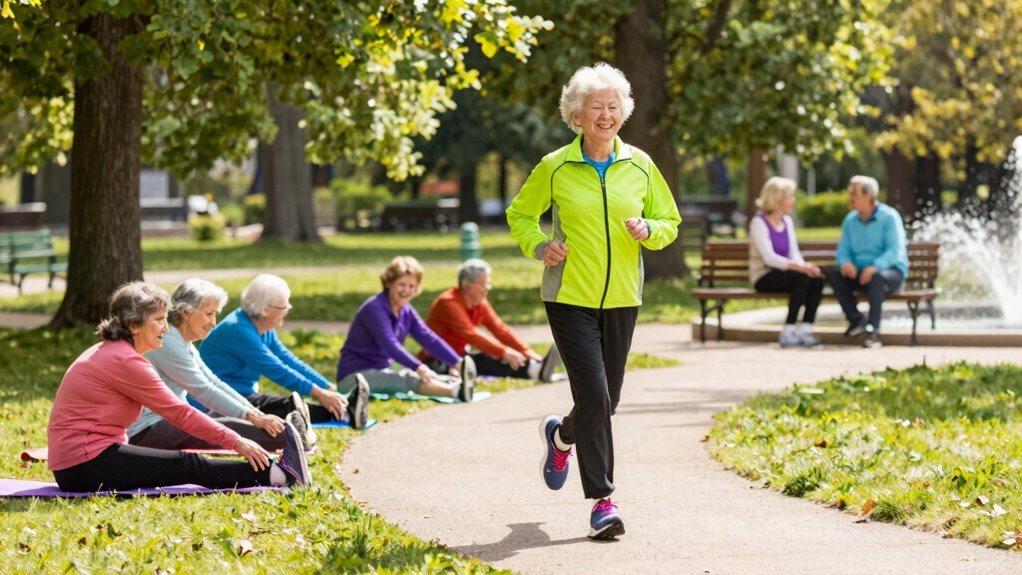
Moving more during retirement can considerably improve your overall quality of life. When you stay active, your energy levels stay higher, making daily tasks easier and more enjoyable. Regular movement also boosts your mood and helps combat feelings of loneliness, encouraging greater social engagement. As you participate in walks, stretching, or standing activities, you’re more likely to meet new people or reconnect with friends, enriching your social life. Staying active keeps your body and mind sharp, reducing the risk of health issues like heart disease or arthritis. Incorporating activities such as essential oils for movement can also enhance your comfort and motivation. Additionally, using smart devices and fitness trackers can help you monitor your activity levels and set achievable goals. Understanding the benefits of celebrity-inspired fitness routines can motivate you to stay consistent and enjoy your exercise. Recognizing the importance of safe exercise practices, especially during physical activity, ensures you can stay active safely. Engaging in proper warm-up techniques is also vital to prevent injuries and maximize your exercise benefits. Overall, inserting movement into your routine makes retirement more vibrant, fulfilling, and connected—so you can truly enjoy this new chapter.
How Retirement Changes Your Activity Needs
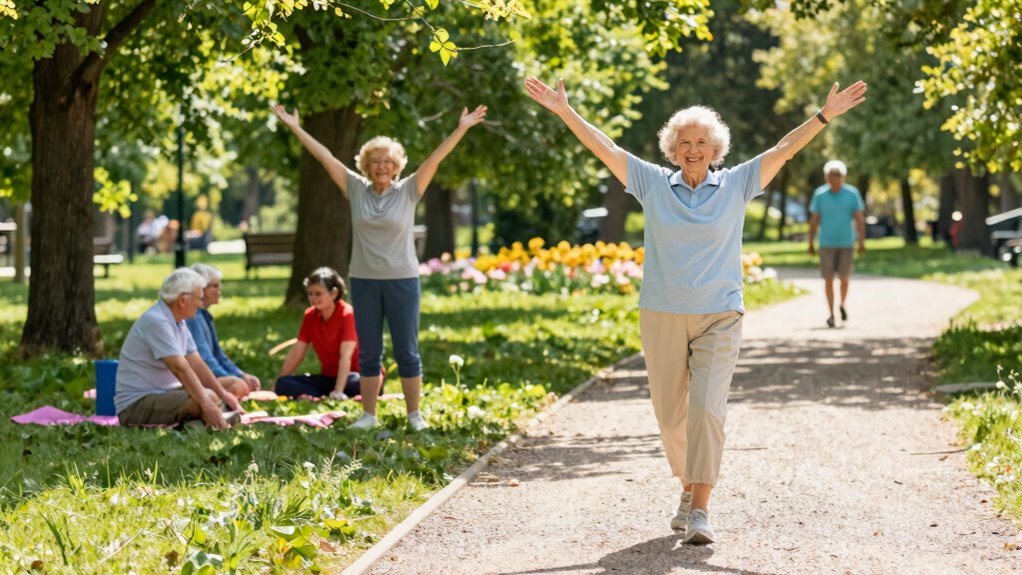
As you retire, your daily routines shift, giving you more flexibility but also the need to stay active intentionally. With more time on your hands, maintaining your health becomes a priority, encouraging you to move more throughout the day. Recognizing these changes helps you adapt your activity levels to stay energized and healthy. Incorporating smart activity tips can make it easier to stay active and enjoy your retirement. Additionally, choosing the right home and outdoor products can support your efforts to stay active and comfortable. Exploring best exercise routines tailored for seniors can further enhance your mobility and overall well-being. Paying attention to movements that promote healthy skin and nails can also contribute to your overall wellness. Incorporating brief foam rolling routines into your daily schedule can also help improve recovery and flexibility, making it easier to stay active.
Shift in Daily Routines
Retirement often marks a significant shift in your daily routine, leading to less structured schedules and fewer natural opportunities for physical activity. Your mornings may no longer follow a set pattern, making it easy to stay in one spot for longer periods. Social activities like work commutes or organized meetings disappear, reducing incidental movement. Without these habitual cues, you might find yourself sitting more and moving less throughout the day. To counter this, you need to create intentional routines that encourage standing, stretching, and walking. Setting specific times for outdoor walks or stretching breaks can help replace the natural activity that once came from daily routines. By actively redesigning your day, you’ll maintain better physical activity levels and prevent the sedentary habits that can develop in retirement. Recognizing the importance of emerging trends in digital publishing can also provide innovative ways to find motivation and new ideas for staying active.
Increased Health Focus
When you retire, your focus on health often becomes more pronounced, prompting a need to adjust your activity levels accordingly. You may start practicing mindful eating, paying closer attention to what you consume, and recognizing how it affects your energy and well-being. Incorporating regular movement, like standing and walking, supports better digestion and reduces stiffness. Additionally, managing stress becomes essential, so take time for stretching or gentle exercises that promote relaxation. These habits help prevent chronic issues and boost your overall vitality. By consciously integrating activity into your daily routine, you align your lifestyle with your health goals. Retirement offers the perfect opportunity to prioritize your well-being through mindful choices and increased movement, keeping you active and healthy longer.
Benefits of Standing, Stretching, and Walking

Standing, stretching, and walking regularly can considerably boost your physical health and mental well-being. These activities help improve posture correction, which reduces strain and discomfort, and enhance muscle flexibility, making daily movements easier. Engaging in these habits offers several benefits:
- Enhanced Posture and Reduced Pain: Proper alignment decreases back and neck pain.
- Increased Flexibility and Range of Motion: Stretching keeps muscles supple, preventing stiffness.
- Better Mental Clarity and Mood: Physical activity releases endorphins, boosting your mood and focus. Additionally, these activities support muscle flexibility, which is vital for maintaining independence in daily tasks. Regular movement also promotes healthy circulation, contributing to overall vitality. Incorporating exercise habits into daily routines can further amplify these benefits and promote long-term health.
- Understanding side-channel attacks can help you safeguard your personal information.
Simple Ways to Add Movement to Your Day
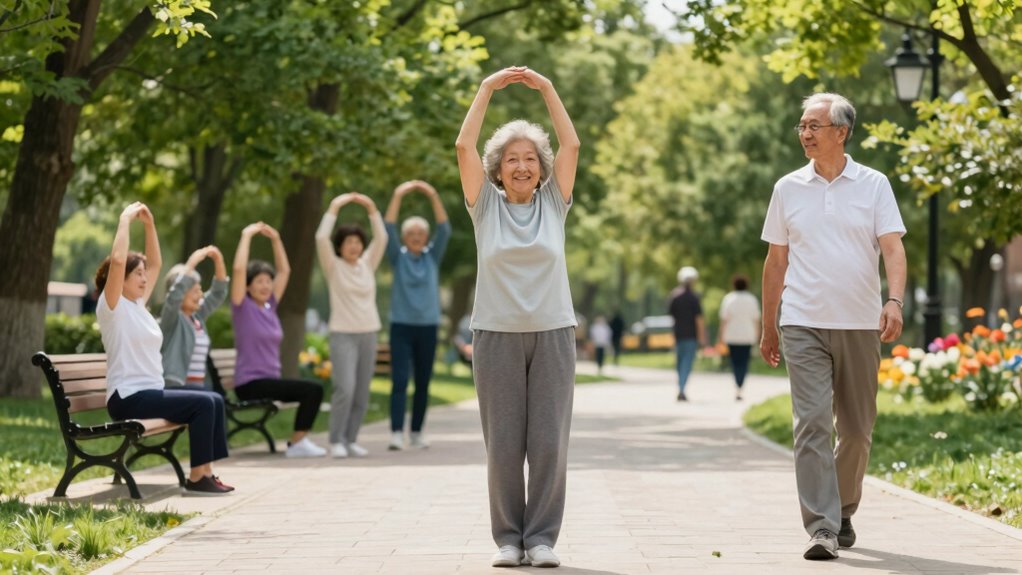
Incorporating simple movements into your daily routine can make a big difference in staying active without feeling overwhelmed. To break sedentary habits, set small motion triggers—like standing during phone calls or stretching after meals. Use reminders or alarms to prompt you to stand up and move around regularly. Take short walks around your home or yard, even if just for a few minutes. Incorporate light stretching or gentle leg lifts while watching TV. These small, intentional actions add up over the day, reducing prolonged sitting. By intentionally adding these motion triggers, you create natural opportunities to stay active, boost circulation, and maintain mobility—all without making major changes or feeling pressured. Additionally, choosing the right home theatre projector setup with proper screen placement can encourage more movement as you adjust and optimize your viewing area. Engaging in regular movement can also promote better circulation and energy levels, especially when using portable power stations to keep devices charged during outdoor activities or in off-grid settings. Incorporating awareness of sedentary behavior and understanding its impact can further motivate you to stay active throughout the day.
Fun Ideas to Make Standing and Stretching Enjoyable

Finding fun ways to make standing and stretching enjoyable can turn these healthy habits into something you look forward to each day. Incorporate creative stretches that challenge your flexibility and keep your mind engaged. Playing fun movement games, like follow-the-leader or mirror exercises, adds an element of playfulness, making the experience lively. Here are some ideas to inspire you:
- Creative stretches — combine music and movement for a dance-inspired stretch session.
- Fun movement games — turn stretching into a game with a partner or group, encouraging laughter and social connection.
- Themed stretching sessions — assign themes, such as “ocean waves” or “tree growth,” to make each session imaginative and engaging.
- Incorporate elements of movement diversity to keep routines fresh and stimulating. Adding variety to your routine can also prevent stagnation, ensuring you stay motivated to move regularly.
These activities make movement enjoyable and motivate you to stay active daily.
Setting Realistic Walking Goals and Tracking Progress

Setting realistic walking goals is essential to staying motivated and making steady progress. Start by defining achievable targets based on your current activity level and lifestyle. Goal setting helps create a clear path forward, giving you something to work toward. Using tracking apps can simplify this process by monitoring your daily steps, distance, and time. These apps provide instant feedback, helping you stay accountable and adjust your goals as needed. Keep your goals specific and manageable, such as walking 10 minutes more each day or increasing your weekly steps gradually. Celebrating small successes keeps your motivation high. Regularly reviewing your progress with tracking apps helps you stay focused and make informed adjustments, turning walking into a consistent and rewarding part of your retirement routine. Incorporating simple, organized routines can make it easier to stay consistent and build new habits over time.
Overcoming Common Barriers to Staying Active

Even with clear goals and tracking tools in place, obstacles can still stand in your way of staying active. Common barriers include physical discomfort, lack of motivation, and limited space. To overcome these, consider making ergonomic adjustments to your environment—such as supportive chairs or proper footwear—to reduce discomfort. Seek social encouragement by inviting friends or family to join your walks or stretching routines, making activity more enjoyable. Also, set realistic expectations, like starting with short sessions, then gradually increasing duration. Remember these key points:
- Prioritize ergonomic adjustments to prevent pain.
- Engage social encouragement to stay motivated.
- Break activities into manageable, consistent steps.
- Incorporate environmentally friendly craft ideas to make your space more inspiring and motivating. Additionally, incorporating home design details such as open layouts can facilitate easier movement and encourage spontaneous activity. Being mindful of ergonomic principles can further help reduce discomfort and sustain your activity routine. Recognizing the importance of healthy eating habits can also support your overall energy levels and motivation to stay active. Addressing these barriers helps you stay committed and active in retirement.
Find Support and Stay Motivated With These Resources

Staying motivated and supported is essential to maintaining an active lifestyle in retirement, and luckily, there are many resources available to help you along the way. Community engagement offers opportunities to connect with others who share your goals, whether through local walking groups, fitness classes, or volunteer activities. These connections boost accountability and make staying active more enjoyable. Additionally, technology tools can be powerful motivators—fitness apps, step trackers, and virtual challenges help you set goals, monitor progress, and celebrate achievements. Online forums and social media groups provide a platform for encouragement and advice from fellow retirees. By leveraging community engagement and technology resources, you stay motivated, accountable, and inspired to incorporate more standing, stretching, and walking into your daily routine.
Frequently Asked Questions
What Are the Best Types of Footwear for Standing and Walking Comfortably?
For standing and walking comfortably, choose footwear with good shoe comfort and proper support. Look for footwear selection that features cushioned insoles, arch support, and a flexible sole to reduce fatigue. Avoid shoes with thin soles or hard materials. Prioritize fit and stability, ensuring your shoes aren’t too tight or loose. Good footwear selection helps prevent discomfort and encourages you to stand and walk more during your retirement activities.
How Can I Incorporate Movement Into Limited or Busy Schedules?
To fit movement into busy schedules, you can break sedentary habits by adding short walks or stretches during daily routines. For example, stand up and stretch every hour, take quick walks during breaks, or do simple leg lifts while watching TV. These small activities add up and help you stay active without disrupting your day, making it easier to boost movement even when time is limited.
Are There Specific Stretches Suitable for Seniors or Those With Joint Issues?
Did you know that gentle stretches can considerably improve flexibility and reduce joint pain? For seniors or those with joint issues, try joint-friendly exercises like seated leg lifts or gentle neck stretches. These moves are easy to do and low-impact, helping you stay active without strain. Incorporate these into your daily routine to boost mobility, ease discomfort, and maintain independence, all while protecting sensitive joints.
How Can I Prevent Injuries While Increasing Daily Activity Levels?
To prevent injuries as you increase activity, focus on posture awareness and listen to your body. Maintain proper form during exercises and take breaks when needed. Stay hydrated with hydration tips like drinking water before, during, and after activity to prevent cramps and fatigue. Gradually ramp up your activity levels, and consider consulting a healthcare professional for personalized guidance. This approach keeps you safe and encourages sustainable movement habits.
What Are Some Signs I Might Be Overexerting Myself During Activity?
You might notice fatigue signs such as muscle soreness, dizziness, or shortness of breath, which indicate overexertion. Surprisingly, a study shows that 60% of retirees experience decreased energy levels when they push beyond their limits. If your energy dips quickly or you feel unusually tired, it’s a clear sign you need to slow down. Pay attention to your body’s signals, take breaks, and stay within comfortable activity levels.
Conclusion
By making small changes today, you’re setting the stage for a healthier, more vibrant retirement. But what if the real secret to lasting energy and joy lies just beyond your current habits? Keep moving, stay curious, and explore new ways to stay active. Because when you access the true potential of your body’s movement, you might discover a retirement full of surprises—and a future you never saw coming. Are you ready to take the first step?
Fall Picks
fall essentials
As an affiliate, we earn on qualifying purchases.