
TL;DR
A doctoral thesis from Umeå University reports that health conditions and psychological well-being, not chronological age alone, are associated with hip fracture risk, mortality and recovery among adults aged 85 and older. Nearly half of the oldest participants died within a year of a fracture, according to the report; the findings point to varied needs for care and support.
A doctoral thesis from Umeå University finds that hip fracture risk, survival and recovery among people aged 85 and older are associated with physical health, medical conditions and psychological well-being—not age alone. The report also highlights high mortality after fracture among the oldest adults, with nearly half dying within one year, and argues for care tailored to each person’s circumstances.

Turn quiet afternoons into listening time
- Thousands of audiobooks, podcasts and originals
- Listen on your phone, tablet or Echo — also offline
- Cancel anytime
Erika Olofsson, a doctoral student in the university’s Department of Nursing, studied factors associated with hip fractures and mortality in people aged 85 and older, and interviewed older adults about recovery. The thesis reports that women and men in this age group had roughly similar hip fracture risk, but that the factors associated with risk differed by sex.
Among women, greater independence in everyday activities was associated with increased fracture risk. Olofsson suggested that more activity may mean greater exposure to situations in which falls can happen. The finding challenges the assumption that fractures primarily affect the frailest older adults; it does not establish that independence itself causes fractures.
After a fracture, mortality was associated with underlying conditions and vulnerability. The thesis linked higher mortality with depression, a previous stroke and subtrochanteric fracture, which occurs in the upper part of the femur. In an analysis of dementia and depression over three years, dementia alone and dementia combined with depressive symptoms were associated with increased mortality at all follow-up points. Depression alone was not statistically significantly associated with mortality in that analysis.
Health Shapes Recovery After Fracture
The findings matter because a hip fracture can affect more than bone healing. It may lead to lasting functional impairment, reduced independence and increased risk of death, while the people who sustain fractures have varied health, support and recovery prospects. The thesis suggests that age alone is a poor guide to understanding those differences.
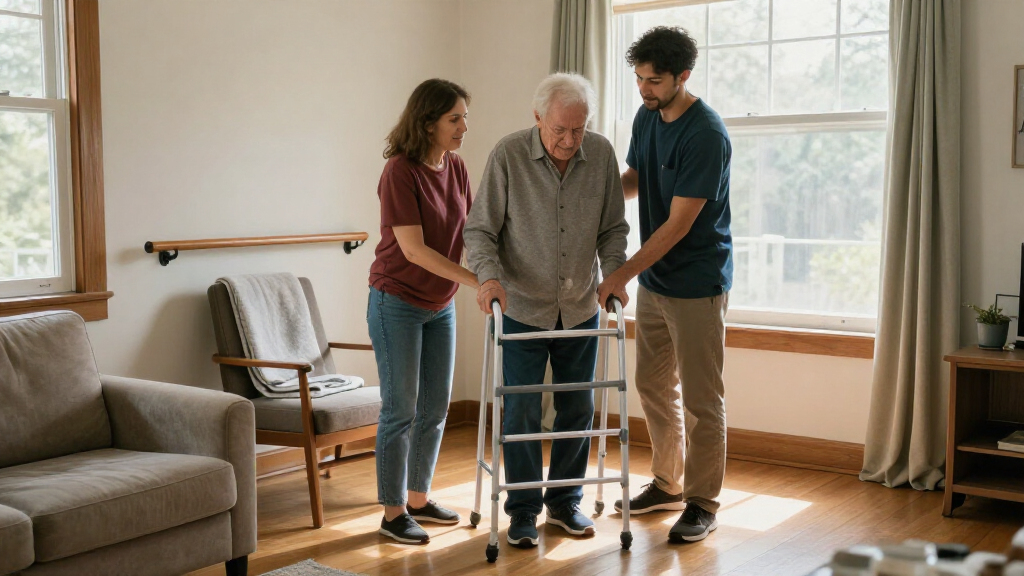
Interviews conducted repeatedly during the first year showed recovery as a changing process, with progress and setbacks. Participants described managing daily activities, fear of falling again, family support and efforts to regain independence as central concerns. Some continued to face difficulties one year after the injury.
For clinicians and families, the report’s implication is that support should account for a person’s physical functioning, medical conditions, mental health and circumstances at home. These findings are associations from a thesis, not proof that any single factor determines an individual’s outcome or a prescription for treatment.
Products Worth Considering

BowFlex SelectTech 840 Adjustable Kettlebell

Levoit Vital 200S-P Smart Air Purifier for Large Rooms (up to 1875 ft²)

Withings Body Smart Wi-Fi and Bluetooth Body Composition Scale
As an affiliate, we earn on qualifying purchases.
What the Umeå Thesis Examined
Hip fracture affects about 17,000 people a year in Sweden, primarily older adults, according to the report. Olofsson’s thesis focuses on people aged 85 and above, a group whose members can differ substantially in health, everyday function and living situations.
The work brings together analyses of fracture-associated factors and mortality with interviews about recovery. The source report does not provide the full thesis methods, participant counts or detailed estimates for each association. Its overall message is that hip fracture in later life should not be treated simply as an orthopedic injury or an inevitable consequence of getting older.
“An important and striking finding was the high mortality rate among the oldest old adults following a hip fracture. I also found that dementia in combination with depressive symptoms was associated with increased mortality.”
— Erika Olofsson, doctoral student at Umeå University
Limits of the Reported Findings
The report does not give the number of participants, confidence intervals, absolute risks for individual subgroups or full details of how the studies were conducted. It also does not establish that the reported associations are causal. The reported figure that nearly half of the oldest adults died within one year is not accompanied in the source summary by a precise cohort size or a breakdown by health status.
It is also unclear from the report how the findings apply beyond the population studied, including to younger older adults or people in other health systems. The absence of a statistically significant association between depression alone and mortality in one analysis does not establish that depression has no effect; it describes the result of that analysis.
How Care Can Reflect Individual Needs
The thesis’s next step for care is an individualized approach that considers physical function, medical conditions, psychological well-being and support needs alongside the fracture itself. The reported recovery interviews also point to daily activity, confidence about falling and family support as issues that may shape a person’s experience over the first year.
The source report does not announce a new clinical guideline or a specific policy change. Further details about the thesis methods and results would help readers judge the strength and wider applicability of the associations. Decisions about an individual’s care should be made with qualified health professionals familiar with that person’s circumstances.
Key Questions
What did the Umeå University thesis find?
It reports that hip fracture risk, mortality and recovery among people aged 85 and older were associated with factors including physical functioning, medical conditions and psychological well-being, not age alone.
Did the thesis find that depression increased mortality?
The report says depression alone was not statistically significantly associated with mortality in the analysis described. Dementia alone, and dementia combined with depressive symptoms, were associated with increased mortality at all reported follow-up points.
Were women at higher fracture risk than men?
The thesis summary says risk among women and men at very advanced age was roughly similar, while the associated risk factors differed. Among women, greater independence in everyday activities was associated with increased risk.
What did participants say recovery was like?
Repeated interviews during the first year described recovery as a process with progress and setbacks. Participants discussed daily activities, fear of another fall, family support and the effort to regain independence; some still had difficulties after a year.
Source: rss