
To improve your home’s mobility without a full overhaul, focus on simple, strategic modifications. Widen doorways, install lever handles, and remove thresholds to make movement easier. Upgrade flooring with non-slip, low-pile surfaces and guarantee seamless connections between rooms are smooth. Add grab bars in the bathroom and improve lighting to reduce hazards. With these targeted adjustments, your home becomes safer and more accessible—continue exploring for more practical tips to make your space truly comfortable.
Key Takeaways
- Focus on modifying high-traffic areas like bathrooms and entrances with wider doorways and step-free thresholds.
- Install non-slip flooring and low-pile carpets to reduce tripping hazards throughout the house.
- Add grab bars, handrails, and contrasting, textured fixtures for improved safety and accessibility in bathrooms and hallways.
- Improve lighting with brighter bulbs or motion sensors to enhance visibility and reduce fall risks.
- Prioritize professional assessments and phased renovations to implement cost-effective, targeted modifications without extensive remodeling.
widening door hinges for accessibility
As an affiliate, we earn on qualifying purchases.
As an affiliate, we earn on qualifying purchases.
Understanding Your Home’s Mobility Challenges
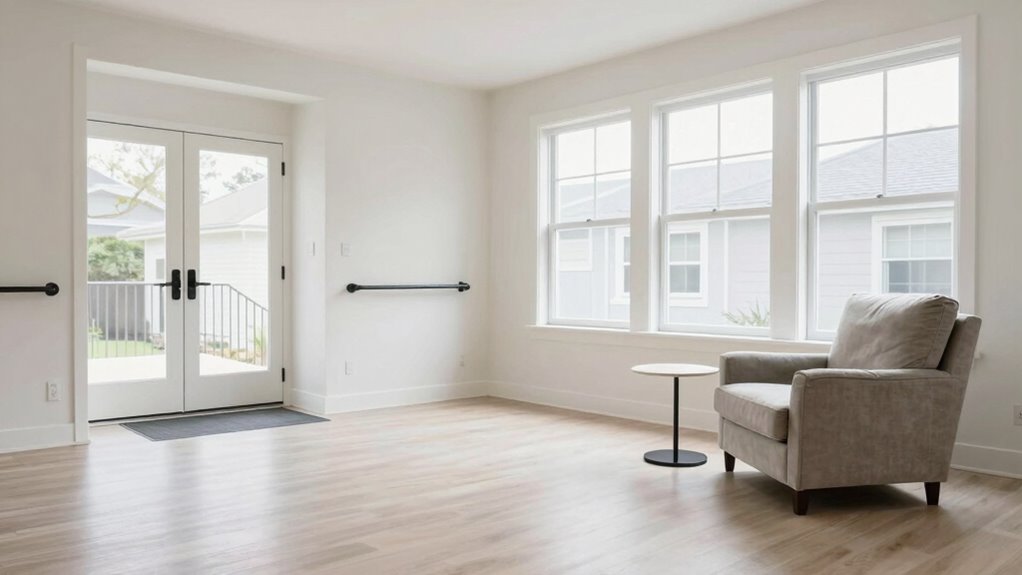
Have you ever considered how your home’s layout affects your daily movement? Your home layout, including the placement of rooms and pathways, plays a big role in your mobility. Structural elements like narrow doorways, steps, and tight corners can create obstacles that make moving around difficult. Take note of areas where you feel restricted or struggle to navigate smoothly. These challenges often stem from the way your space is designed, not just personal limitations. By understanding how your structural elements impact mobility, you can identify where adjustments are needed. Recognizing these issues early helps you plan effective renovations. Improving your home’s layout can make a significant difference, creating a safer, more accessible environment tailored to your needs. Emerging trends in digital publishing can also provide helpful insights and innovative solutions for planning your renovation.
How to Assess Your Home for Accessibility Needs
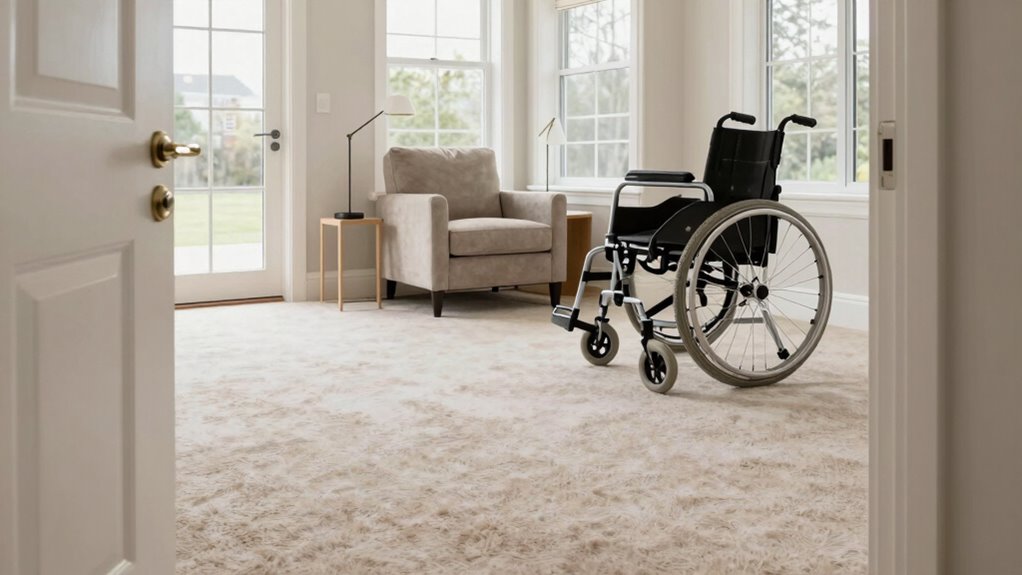
To effectively assess your home for accessibility needs, start by systematically examining each space to identify potential barriers. Look for uneven flooring, narrow doorways, or clutter that could hinder mobility aids. Check if entrances are step-free and if hallways are wide enough for wheelchairs or walkers. Consider the placement of switches, handles, and other fixtures to guarantee they’re reachable. Use a critical eye for home safety: are there loose rugs, poor lighting, or sharp corners? Incorporating outdoor transformation essentials can also enhance overall accessibility by creating welcoming, barrier-free outdoor spaces. Additionally, evaluating your outdoor areas with outdoor cooling fans in mind can improve comfort and usability for all visitors. Conducting a home accessibility assessment allows you to identify specific needs and prioritize modifications effectively.
Prioritize Key Areas to Improve Home Accessibility
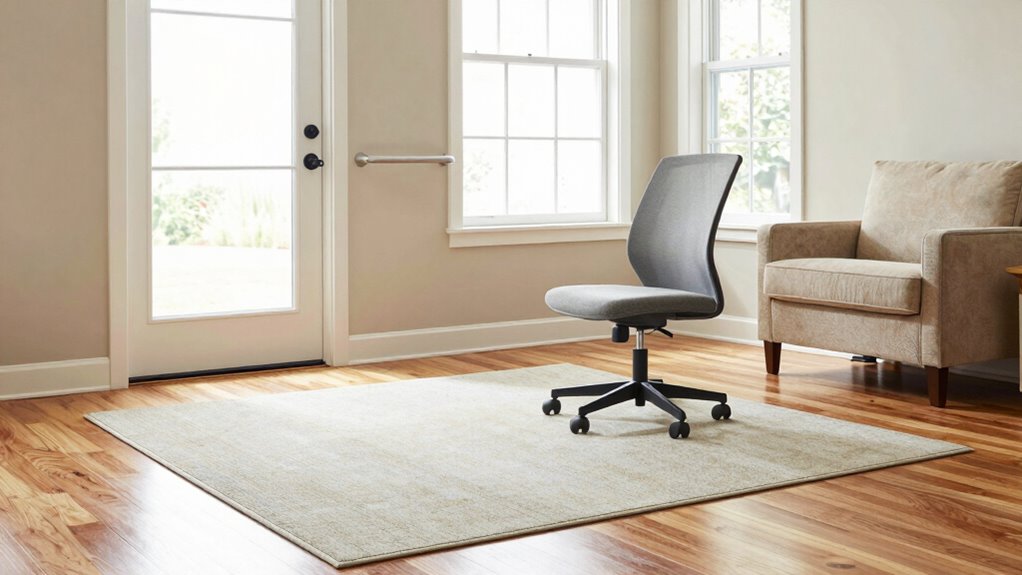
After completing your home assessment, focus on pinpointing the areas that need the most attention. Consider design considerations that can make these spaces more accessible, such as wider pathways or lower thresholds. Prioritize spaces where mobility aids like walkers or wheelchairs will be most used, such as bathrooms, kitchens, and entryways. These areas often pose the greatest challenges and can benefit from targeted modifications. Think about the flow of movement and how each space supports independence. By focusing on these key areas first, you guarantee your renovations effectively improve overall accessibility. Remember, small adjustments in the most-used zones can make a significant difference in daily comfort and safety without overhauling your entire home. Incorporating ethical considerations into your renovation choices can also ensure that modifications respect your safety and dignity.
Simple Modifications for Doorways and Hallways
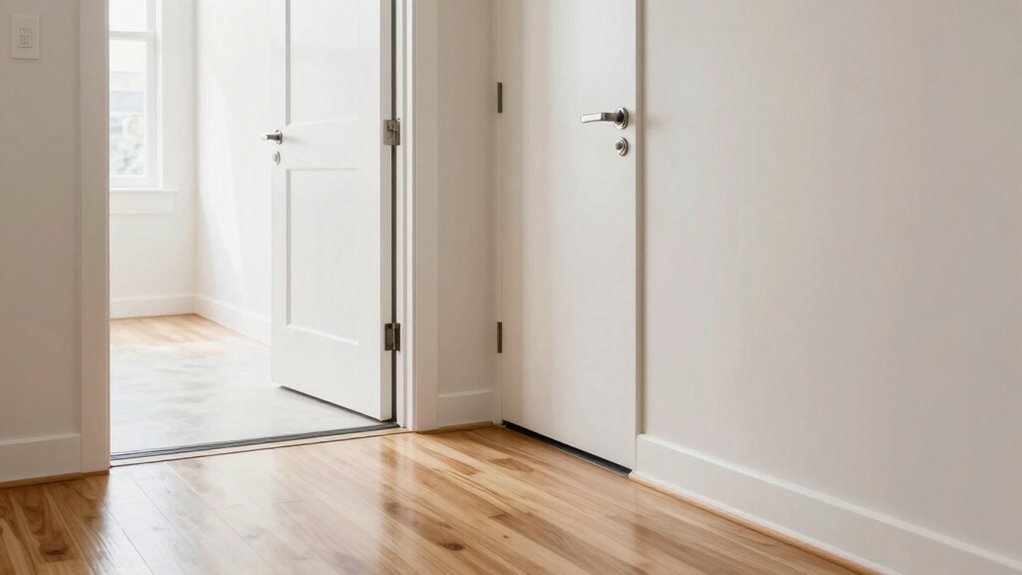
Making simple modifications to doorways and hallways can profoundly enhance your home’s accessibility with minimal effort. Start by increasing the doorway width to at least 32 inches, allowing easier passage for mobility aids. You can also remove door sills or thresholds that may cause tripping hazards. Improving hallway lighting ensures better visibility, reducing the risk of accidents. Consider installing brighter bulbs or adding motion-activated lights for convenience and safety. Additionally, keep hallways free of clutter and obstructions to create a clear path. Visualize these changes:
- Widened doorways with smooth, threshold-free entries
- Bright, well-placed lighting along the hallway
- Clear, clutter-free pathways
- Doors that open easily with lever handles or automatic systems
These small adjustments make steeringyour home safer and more comfortable. Incorporating commercial kitchen equipment such as efficient lighting solutions can further enhance visibility and safety throughout your home, especially when considering inclusive design principles to adapt spaces for diverse needs. Also, considering the door swing direction and type can significantly improve ease of movement within the space. A good understanding of contrast ratio can help in selecting lighting and color schemes that improve visibility and reduce eye strain. Additionally, exploring environmentally friendly materials for modifications can support sustainable living practices.
Upgrade Your Flooring for Safety and Ease of Movement
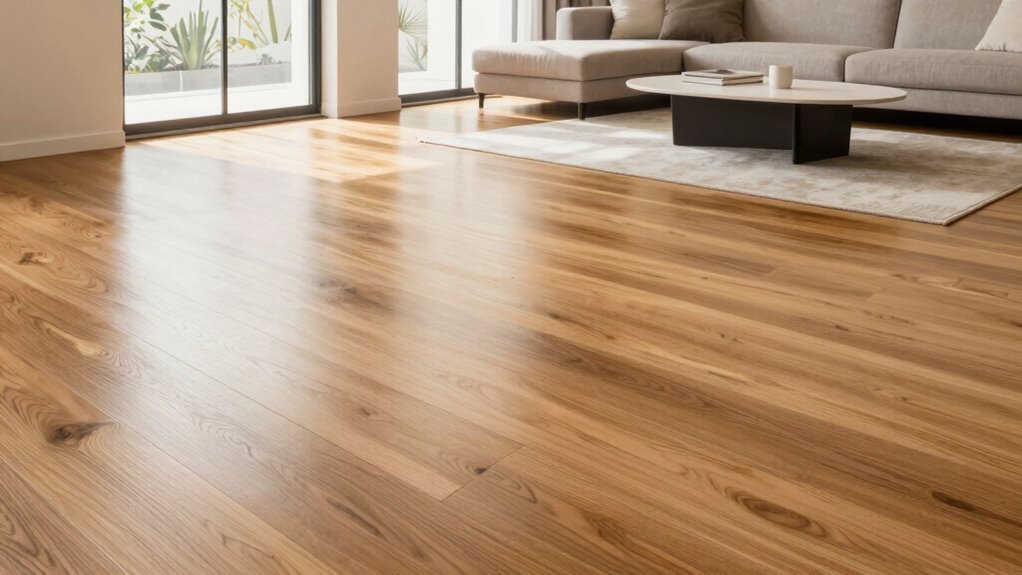
Upgrading your flooring can make a big difference in safety and mobility. Choose non-slip materials and low-pile carpets to reduce tripping hazards and make movement easier. Also, guarantee seamless shifts between different flooring types to prevent bumps and falls. Incorporating surface finishes that provide additional grip can further enhance safety and comfort. Incorporating proper installation techniques ensures long-term durability and safety in your flooring choices. Additionally, selecting ergonomic flooring options designed to promote better posture and reduce fatigue can contribute to overall well-being. Being aware of hidden features such as anti-slip textures can significantly improve safety in your home environment.
Choose Non-Slip Materials
Have you considered how your flooring can impact safety and mobility? Choosing non-slip materials is essential to prevent falls and make movement easier. Non-slip tiles offer excellent traction, especially when wet, reducing slipping hazards. Safety mats placed in high-traffic or potentially slippery areas add an extra layer of protection. Think about textured surfaces that provide grip underfoot, even in damp conditions. Visualize stepping onto a bathroom floor with non-slip tiles or walking across a kitchen with safety mats that stay firmly in place. These simple upgrades can make a significant difference. By selecting non-slip tiles and safety mats, you create a safer environment where mobility is easier and confidence is restored in every step. For those interested in smart shopping, product roundups can help you find the best non-slip flooring options that suit your needs.
Opt for Low-Pile Carpets
Switching to low-pile carpets can substantially improve safety and ease of movement in your home. Low-pile carpets create a smoother surface, reducing tripping hazards and making it easier to navigate with mobility aids. Instead of thick, plush carpets, opt for low-pile options that lie flat underfoot. Consider replacing area rugs with low-pile versions to maintain style while enhancing safety. Proper carpet padding is essential; choose thinner, firm padding to prevent uneven surfaces and improve stability. This upgrade minimizes resistance when moving furniture or walking, especially for those with mobility challenges. Additionally, selecting the right anti-fatigue mats can further enhance comfort and safety in areas where standing for extended periods occurs. Incorporating professional installation can ensure the carpet is properly fitted and maximizes safety benefits. Overall, low-pile carpets and well-chosen padding create a safer, more accessible environment that doesn’t compromise on comfort or aesthetics.
Ensure Seamless Transitions
Seamless progressions between different flooring surfaces are essential for safety and ease of movement in your home. To guarantee fluid movement, you need to create smooth, unobstructed transitions that prevent tripping hazards and make navigation easier. You might consider installing transition strips or thresholds that blend with your flooring, or leveling uneven surfaces to avoid abrupt height changes. Visualize walking from a carpeted area to hardwood without noticing a bump. Imagine gliding smoothly across different zones, no hesitation or stumbling. Key elements include:
- Low-profile transition strips for minimal height difference
- Leveling uneven subfloors for consistent surface height
- Using matching or complementary flooring materials
- Making sure doorways and thresholds are flush and unobstructed
- Incorporating flooring accessories like transition strips and spray booths to enhance the overall safety and functionality of your flooring setup
These steps promote seamless transitions, making your home safer and more comfortable for everyone.
Make Your Bathroom More Accessible Without Major Renovations
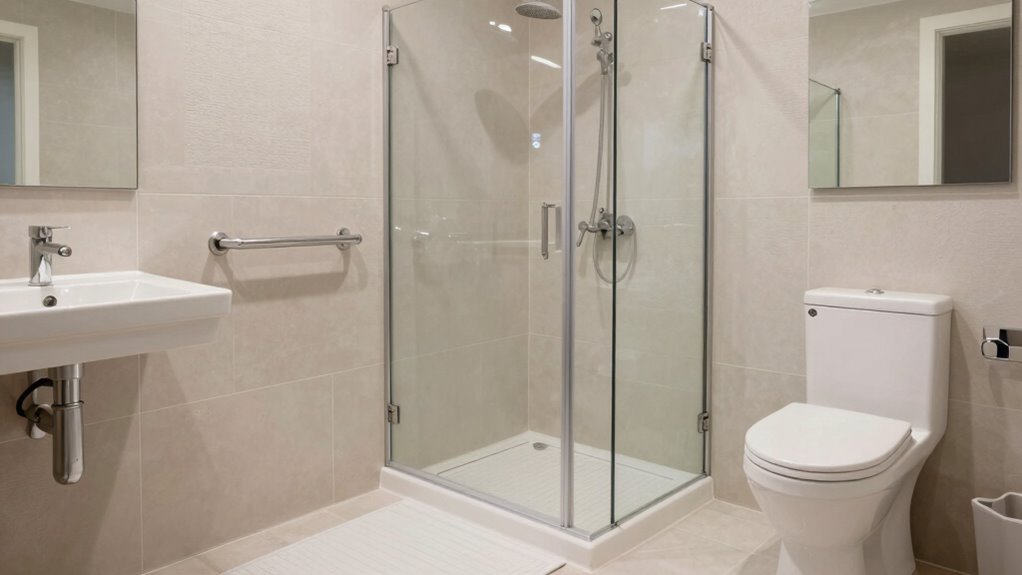
Making your bathroom more accessible doesn’t always require a complete overhaul; small, strategic modifications can make a significant difference. Start by improving bathroom lighting to reduce shadows and increase visibility, making it safer for everyone. Consider installing brighter, energy-efficient bulbs or adding task lighting around the sink and shower areas. For shower accessibility, opt for a walk-in shower with a low or no-threshold entry, which makes stepping in easier and reduces fall risk. You can also replace a traditional bathtub with a curbless shower or add a shower seat for comfort. These simple updates enhance safety and convenience without major renovations, helping you create a more accessible bathroom that’s functional and safe for all users. Incorporating retro fonts and visuals into your bathroom decor can also create a welcoming and contemporary atmosphere that aligns with modern design trends. Additionally, integrating accessible safety features, such as grab bars and non-slip flooring, can further improve safety and independence in your bathroom. To ensure your modifications are effective, consider consulting with a professional who specializes in mobility-friendly home upgrades. Understanding the importance of adaptable design can also help you plan future modifications more effectively.
Add Support Features Like Grab Bars and Handrails
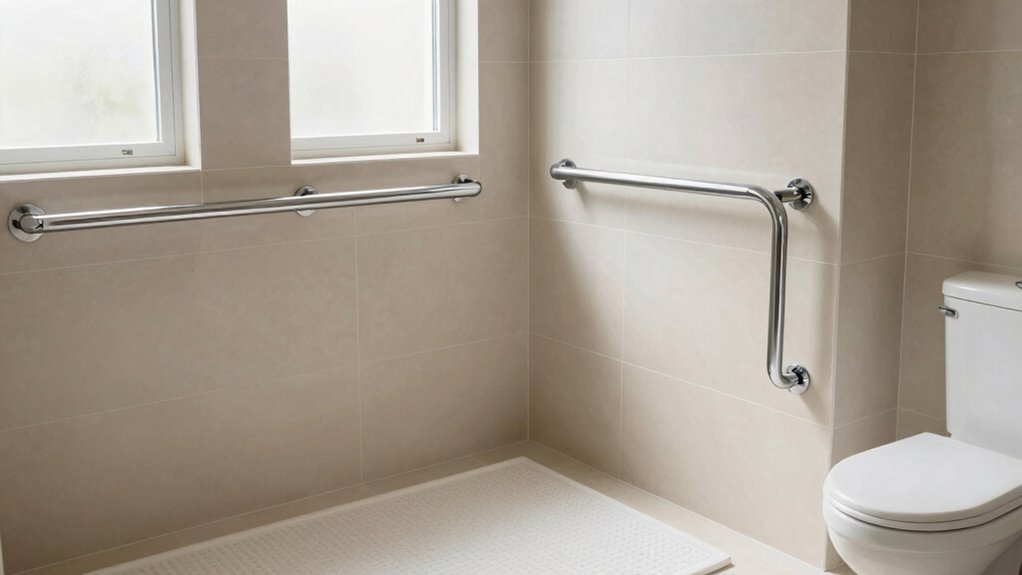
Adding support features like grab bars and handrails is essential for enhancing safety and stability in your bathroom. These fixtures provide steady support when moving around, reducing the risk of slips and falls. Proper placement is key—install grab bars near the toilet, inside the shower, and next to the bathtub. Imagine reaching for a sturdy grab bar as you stand up or sit down, feeling secure. Visualize a sleek handrail guiding you along the bathroom wall, offering balance. Picture textured surfaces on grab bars for a secure grip, even with wet hands. Consider the color contrast to make the support features easily visible. Incorporating accessible design principles can further improve safety and usability. Choosing the right installation techniques ensures that these fixtures are both secure and durable over time. These simple additions can make your bathroom safer without extensive renovations.
Plan Your Budget and Next Steps for Home Accessibility Improvements
Once you’ve installed support features like grab bars and handrails, the next step is to plan your budget and outline clear actions for improving your home’s accessibility. Start with financial planning to determine how much you can invest without overextending your finances. Prioritize projects based on urgency and impact, such as door widening or flooring improvements. When selecting a contractor, research options carefully, checking reviews and credentials to guarantee quality work. Get multiple quotes to compare costs and avoid surprises. Establish a timeline for each step and set aside contingency funds for unexpected expenses. A well-structured plan helps you stay organized, manage costs effectively, and make steady progress toward a more accessible home.
Frequently Asked Questions
What Are Cost-Effective Ways to Improve Mobility Without Extensive Renovations?
You can enhance mobility on a budget by rethinking your home decor and planning wisely. Start with simple changes like removing tripping hazards, adding grab bars, and installing non-slip mats. Use budget planning to prioritize essential updates, such as installing lever-style door handles or widening doorways with cost-effective solutions. These tweaks improve safety and accessibility without extensive renovations, making your home more comfortable and functional for everyone.
How Can I Maintain Home Aesthetics While Increasing Accessibility?
You can maintain home aesthetics while increasing accessibility by adding decorative accents that blend seamlessly with your décor. Use aesthetic upgrades like stylish handrails, elegant lighting, and attractive non-slip flooring to enhance functionality without sacrificing style. Choose colors and materials that complement your existing design, making modifications feel intentional and cohesive. These small, thoughtful touches guarantee your home remains beautiful and accessible, creating a welcoming space that meets your mobility needs.
Are There Temporary or Portable Accessibility Solutions for Renters?
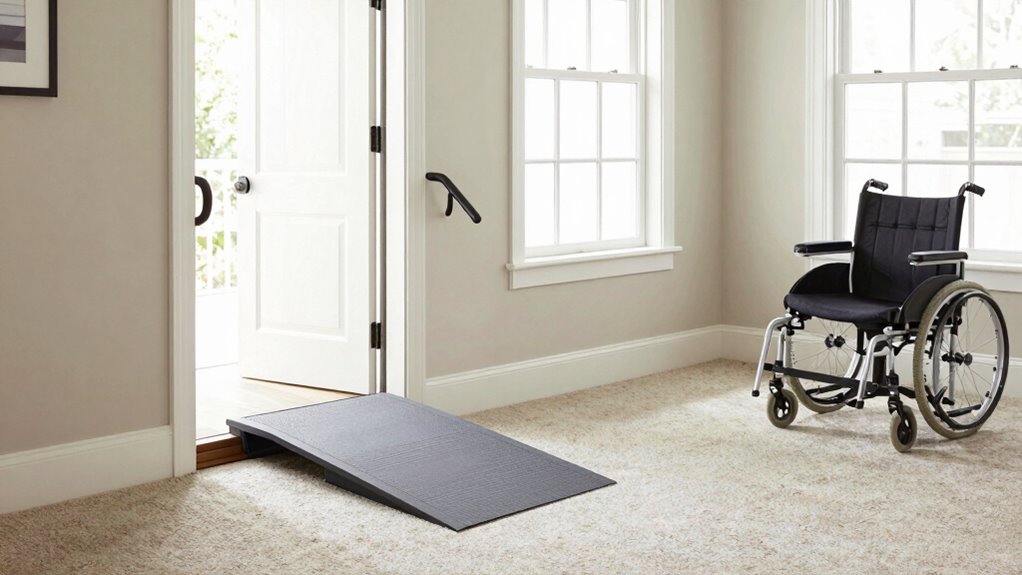
Yes, you can use portable ramps and temporary grab bars as effective accessibility solutions for renters. Portable ramps easily adjust to different door thresholds or steps, providing safe access without permanent modifications. Temporary grab bars can be installed with suction cups or adhesive, offering support in bathrooms or other key areas. These options are non-invasive, affordable, and allow you to improve mobility while maintaining your rental’s aesthetics and adhering to lease agreements.
What Safety Features Should I Prioritize in a Mobility-Focused Home?
Did you know that falls are the leading cause of injury among older adults? Prioritize stair safety by adding handrails and non-slip treads. Focus on bathroom modifications such as grab bars and walk-in showers to prevent accidents. These safety features are essential for creating a mobility-friendly home, reducing fall risks, and ensuring safety in everyday activities. Incorporating these improvements helps promote independence and peace of mind.
How Do I Involve Family Members in Accessibility Planning?
You involve family members by encouraging open communication and fostering family collaboration on accessibility planning. Share your goals and ask for their input, making certain everyone feels heard. Educate them about accessibility awareness to highlight its importance. By working together, you’ll identify practical solutions, distribute responsibilities, and create a supportive environment that guarantees your home adapts smoothly to everyone’s mobility needs.
Conclusion
Just as Da Vinci refined his masterpieces without starting from scratch, you can enhance your home’s mobility with simple, thoughtful tweaks. Focus on the essentials, prioritize safety, and work within your budget. These small changes can transform your space into a sanctuary of independence and comfort. Remember, you don’t need a complete overhaul—sometimes, the smallest brushstrokes make the biggest difference in creating a home that works for you.