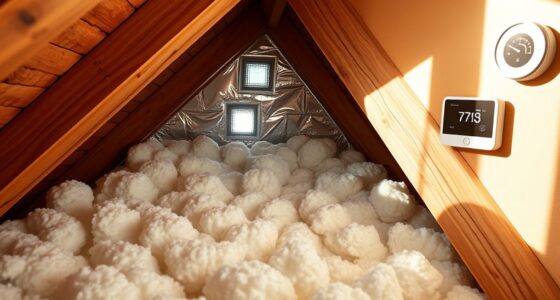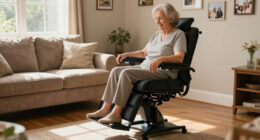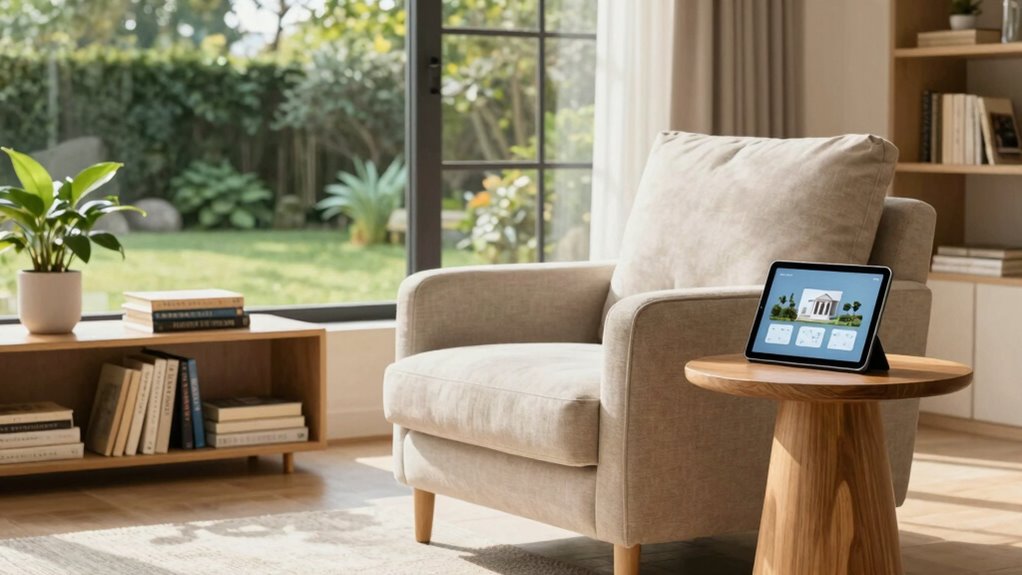

To think about long-term value in aging-in-place purchases, focus on durable, high-quality, and adaptable features that support safety and independence. Prioritize safety upgrades like grab bars and good lighting, and choose smart technology that can evolve with your needs. Keep future-proofing in mind by selecting flexible designs and products that are easy to modify. Planning for ongoing maintenance and costs helps protect your investment. Learn more about building a home that lasts and adapts over time.

Turn quiet afternoons into listening time
- Thousands of audiobooks, podcasts and originals
- Listen on your phone, tablet or Echo — also offline
- Cancel anytime
Key Takeaways
- Prioritize flexible, adaptable features that evolve with changing needs to maximize the home’s longevity and usability.
- Invest in durable, high-quality materials and safety features to ensure long-term reliability and resident safety.
- Incorporate smart technology and automation for convenience, energy efficiency, and future-proofing upgrades.
- Balance upfront costs with ongoing maintenance and repair expenses to determine true long-term value.
- Ensure compatibility and modularity in products to support seamless upgrades and adaptability over time.
As an affiliate, we earn on qualifying purchases.
How to Approach Long-Term Home Investment Decisions
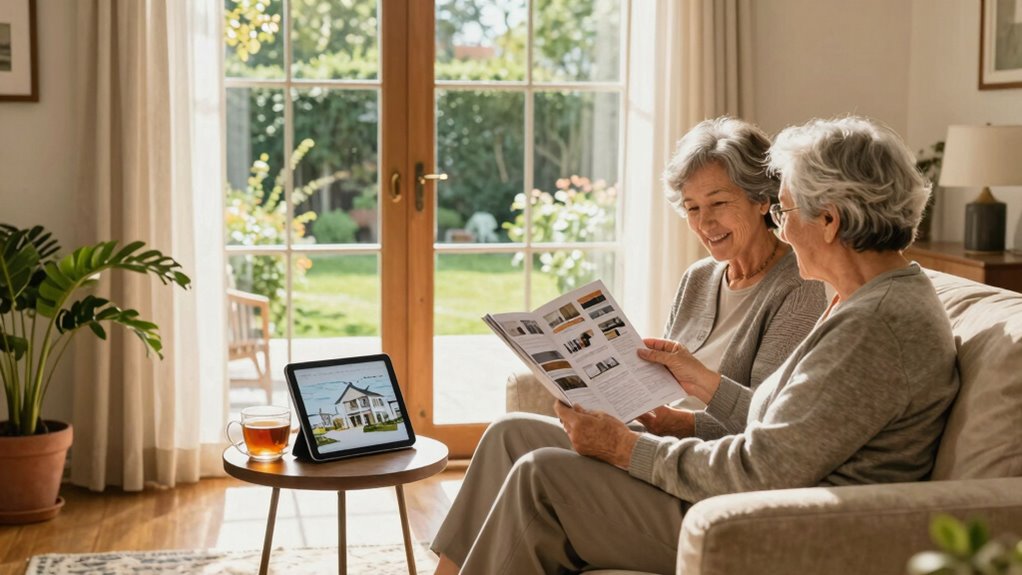
When considering long-term home investments, it’s essential to focus on factors that will sustain value over time. Smart technology plays a key role, offering convenience, energy efficiency, and future-proofing your home. Features like automated lighting, security systems, and climate controls can enhance your living experience while increasing resale value. Equally important is aesthetic appeal—your home’s design should be timeless, with quality materials and a cohesive look that remains attractive as trends change. Prioritize versatile layouts and well-maintained systems, ensuring your property stays functional and inviting for years to come. By combining innovative smart technology with enduring aesthetic appeal, you create a home that remains desirable, comfortable, and valuable over the long haul.
Assessing Durability and Quality for Lasting Value
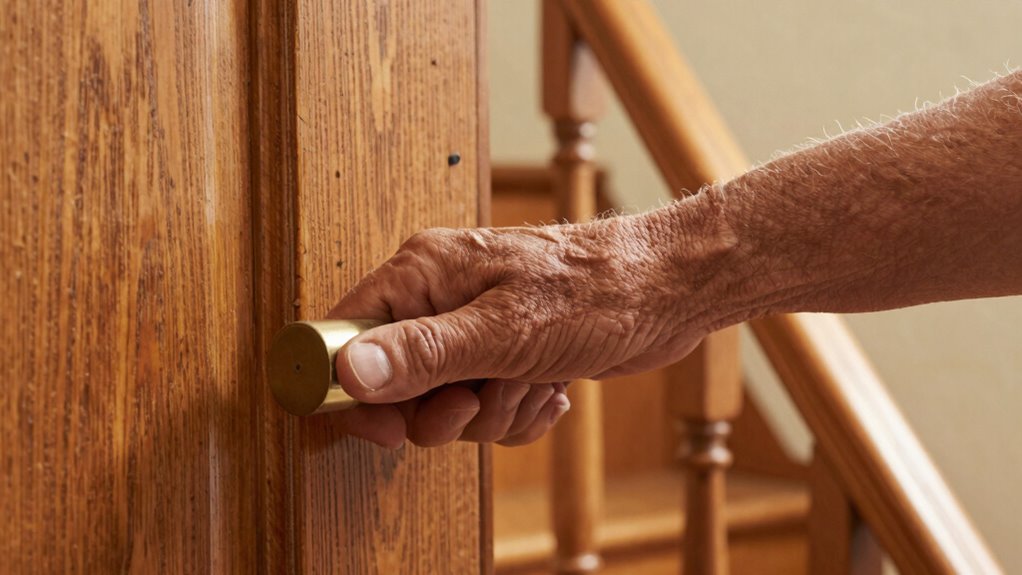
How can you guarantee your home maintains its value over time? Focus on evaluating durability and quality. Look for innovative materials that resist wear and require less maintenance, ensuring longevity. Prioritize ergonomic design to support comfort and safety, especially as mobility changes. Check construction details, warranties, and material specifications to gauge quality. Investing in durable fixtures and finishes pays off long-term. Use this table to compare options:
| Feature | Consideration |
|---|---|
| Materials | Innovative, high-quality, resilient |
| Construction | Solid, well-built |
| Ergonomic Design | User-friendly, accessible features |
| Maintenance Requirements | Low-maintenance solutions |
| Warranties | Extended coverage for durability |
Additionally, evaluating material durability can help identify options that stand up to wear over time. Considering environmental factors is also crucial, as exposure to weather and other conditions can significantly impact long-term performance. When selecting materials, consider how environmental factors and sustainable practices might influence their long-term performance and ecological impact. Choosing wisely now helps your home stay functional and valuable for years.
Why Adaptability Matters for Aging-in-Place
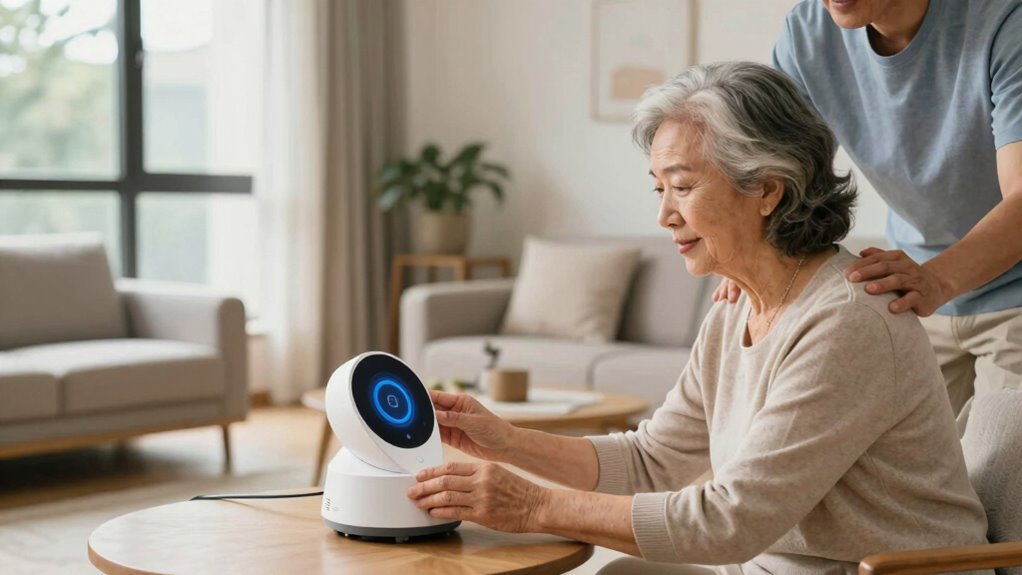
Adapting your home to meet changing needs guarantees it remains safe, comfortable, and functional as you age. Incorporating flexible design guarantees your space can evolve with you, avoiding costly renovations later. Future proofing features, like lever-style door handles, no-step entries, and adjustable countertops, help you stay independent longer. These adaptable elements make daily living easier and reduce safety risks. When your home can accommodate mobility changes or new appliances, you’re investing in long-term value. Flexibility also means avoiding obsolescence, making your space more resilient to unexpected needs. Incorporating natural landscaping and outdoor features such as fire pits or seating areas can enhance your home’s adaptability and enjoyment. Prioritizing adaptability today ensures your home continues to serve you well, providing peace of mind and preserving your quality of life over time.
Calculating Total Costs, Including Maintenance and Upkeep
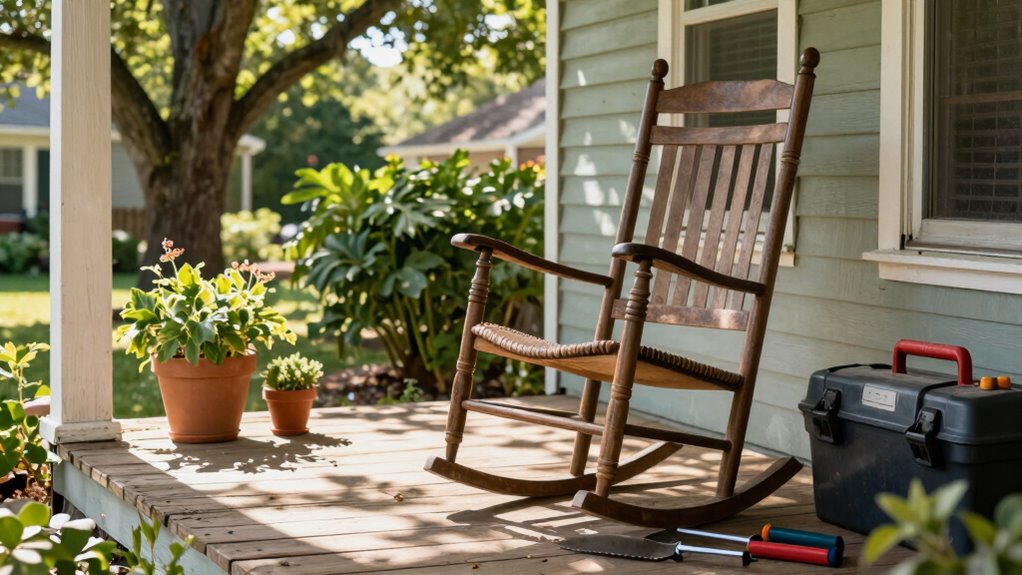
While making adaptable design choices guarantees your home remains functional and safe over time, it’s equally important to understand the full scope of costs involved. Conducting a thorough cost analysis helps you anticipate future expenses related to upkeep considerations. Consider these key factors:
- Routine Maintenance: Budget for regular tasks like HVAC servicing, plumbing checks, and appliance upkeep to prevent costly repairs.
- Repairs and Replacements: Plan for inevitable repairs, such as roof repairs or replacing worn-out flooring, which can considerably impact long-term costs.
- Upfront Investments: Factor in initial investments, like installing accessible fixtures or durable materials, which may reduce ongoing maintenance expenses.
- Market trends, such as cryptocurrency liquidity, can influence the overall cost of materials and services, impacting your long-term planning. Additionally, staying informed about cost fluctuations in the housing market can help you better forecast future expenses. Recognizing material costs and their volatility is essential for accurate budgeting. Keeping an eye on microplastics in dust and other indoor pollutants can also influence your choices for materials and air quality improvements, ultimately affecting long-term costs. Being aware of economic factors that impact the housing industry can help you adapt your long-term financial strategies more effectively.
Understanding these elements ensures you’re prepared financially, helping you maximize long-term value and avoid surprises.
Which Safety and Accessibility Features Should You Prioritize?
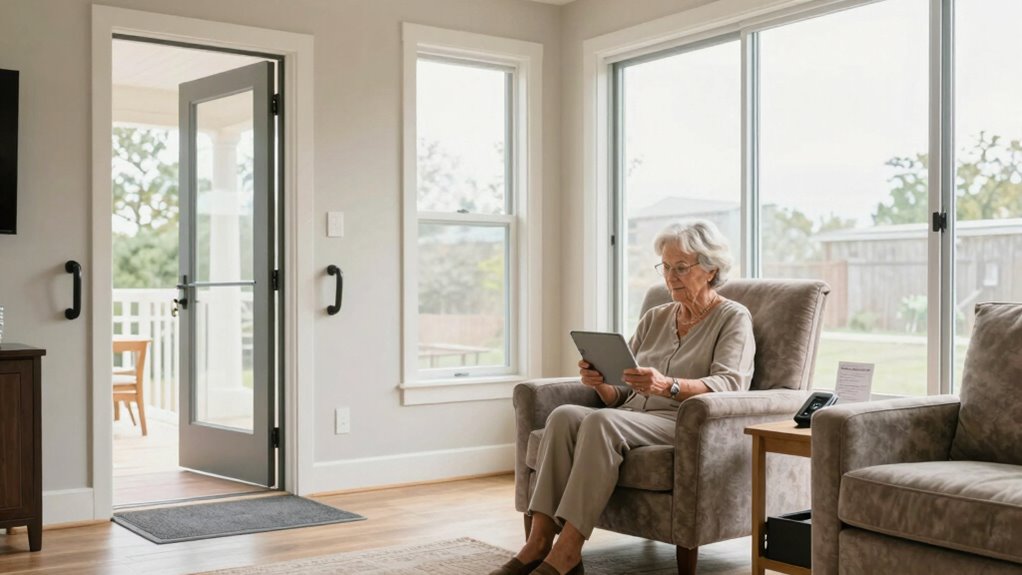
Prioritizing safety and accessibility features is vital to creating a home that remains functional and secure as you age. Focus on essentials like grab bars, non-slip flooring, and good lighting to reduce fall risks. Incorporate smart technology, such as voice-activated lighting or security systems, to enhance convenience and safety. Emergency preparedness is essential—install alert systems and ensure easy access to exits. Consider this table for guidance:
| Safety Feature | Accessibility Feature |
|---|---|
| Smart home sensors | Walk-in showers |
| Emergency alert systems | Adjustable countertops |
| Non-slip flooring | Wide doorways |
| Good lighting | Lever handles on doors |
Choose features that support independence and can evolve with your needs. Understanding nail biology can also underscore the importance of proper hygiene and care in maintaining overall health as you age. Additionally, being aware of family photoshoot fails can remind you to plan for unexpected issues at home, such as pets or weather, which might impact safety and comfort. Incorporating home safety assessments can further ensure that your living environment is optimized for long-term use and adaptability. Regularly updating your knowledge about smart home security can help you stay informed about new technologies that improve home safety and independence.
Choosing Products That Evolve With Your Needs
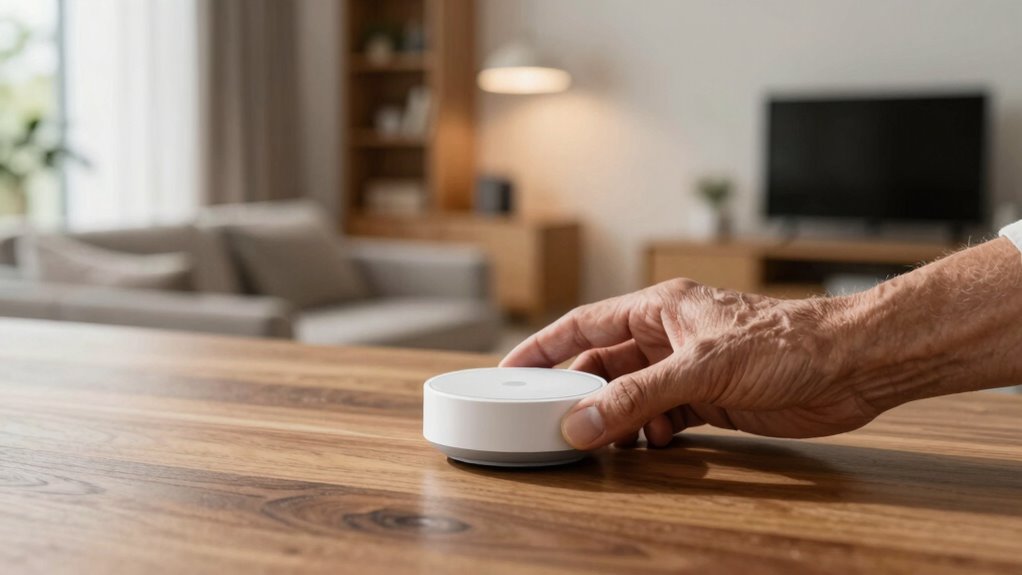
As you plan for long-term living, selecting products that can grow with your changing needs becomes essential. Look for items designed with flexibility and adaptability in mind.
Plan for long-term living by choosing adaptable, flexible products that evolve with your changing needs.
- Choose smart technology that can be upgraded or integrated with new systems, ensuring your devices stay current and functional. Incorporating technology trends can help you stay ahead of evolving features and capabilities. Additionally, selecting devices with future-proofing features can provide peace of mind as technology continues to advance. Being aware of smart home innovations can also help you identify products that are more likely to adapt over time. Paying attention to compatibility standards can ensure your devices work seamlessly together as your smart home ecosystem expands.
- Prioritize ergonomic design to provide comfort and support, reducing strain as your mobility or strength changes.
- Opt for modular products, like adjustable furniture or adaptable fixtures, that can be modified without replacing the entire item.
These choices help your home evolve alongside your lifestyle, making daily tasks easier and safer. By focusing on smart technology, ergonomic design, and modular options, you invest in solutions that offer long-term value and adaptability. Incorporating design trends like AR filters can also help visualize how these adaptable features will look and function in your space over time.
Planning Strategies to Maximize Your Home Investment’s Long-Term Value
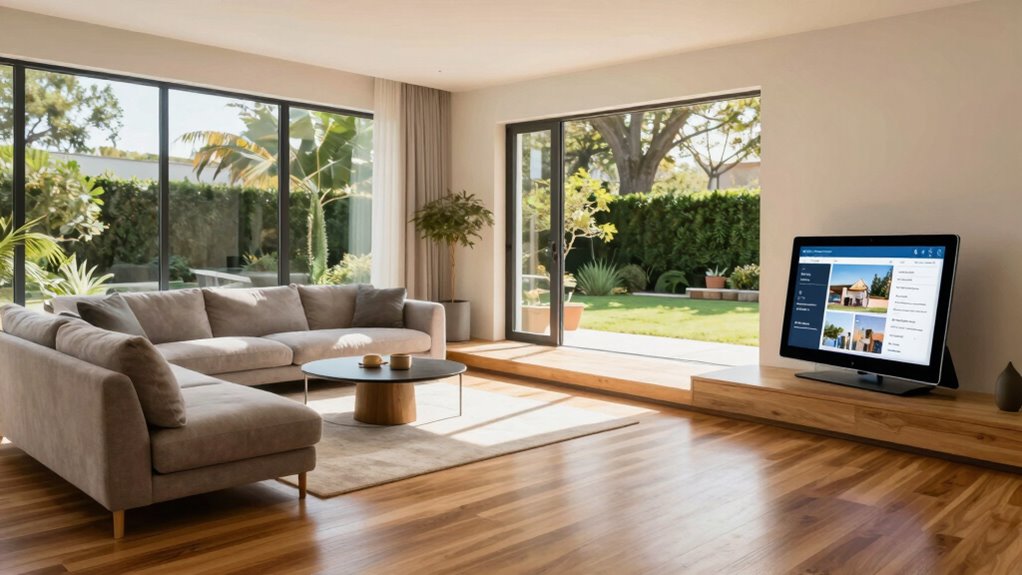
To maximize your home investment’s long-term value, you need a clear, strategic plan that considers both current needs and future growth. Incorporate smart technology, such as automated lighting and security systems, to enhance convenience and safety over time. These systems can also be integrated with solar safety features like rapid shutdown placement to ensure your home remains secure and compliant with safety standards. These innovations not only improve daily living but also increase your home’s appeal and market value. Additionally, choose eco-friendly materials like recycled flooring or energy-efficient insulation to boost sustainability and reduce ongoing costs. Planning for adaptable spaces that can evolve with your changing needs ensures your home remains functional and valuable in the long run. Implementing smart home safety features like leak detectors and indoor air monitoring can further protect your investment and provide peace of mind. Moreover, understanding support vs. boundaries in caregiving can help you create a balanced environment that promotes independence while ensuring safety, which is essential for long-term home living. Staying informed about preventative maintenance practices can help you identify potential issues early and maintain your home’s durability over time. By focusing on smart technology and eco-friendly materials now, you set your home up for sustained growth, efficiency, and comfort well into the future.
Frequently Asked Questions
How Can I Predict Future Aging-Related Needs Accurately?
You can predict future aging-related needs by engaging in predictive planning and needs forecasting. Start by evaluating your current health and mobility, then consider potential changes over time. Consult with healthcare professionals and use aging-in-place tools to identify evolving requirements. Regularly review and update your plans, staying informed about aging trends, so you can proactively adapt your home and care strategies for long-term comfort and safety.
What Financing Options Are Best for Long-Term Home Modifications?
You should explore financing options like personal savings, home equity loans, or specialized grants for aging-in-place modifications. Financial planning is essential; consider consulting a financial advisor to determine what fits your budget. Also, check if your insurance coverage extends to home modifications, which can help reduce costs. Prioritize options that offer low interest rates and flexible repayment terms, ensuring your modifications remain sustainable long-term.
How Do Local Building Codes Impact Aging-In-Place Upgrades?
You need to guarantee your aging-in-place upgrades meet local building code compliance and zoning regulations. These rules can impact modifications like ramps, bathroom renovations, or room expansions, requiring permits or inspections. Check with your local authorities beforehand to avoid costly delays or violations. Staying informed about zoning regulations helps you plan upgrades that are legal and safe, ensuring your home remains compliant while supporting your long-term living needs.
Are There Eco-Friendly Options for Aging-In-Place Home Improvements?
Yes, there are eco-friendly options for aging-in-place home improvements. You can choose eco-friendly materials like bamboo flooring or recycled insulation to reduce environmental impact. Incorporating sustainable design principles, such as energy-efficient windows and solar panels, helps lower long-term costs and promotes sustainability. These upgrades not only support your aging-in-place needs but also contribute to a healthier planet, making your home more eco-conscious and future-proof.
How Can Technology Enhance Long-Term Safety and Convenience?
Technology enhances your long-term safety and convenience through smart sensors that monitor your home environment, alerting you to hazards like leaks or fires. Virtual assistants make daily tasks easier by managing schedules, reminding you to take medications, or adjusting lighting and temperature with voice commands. These tools provide peace of mind, allowing you to age comfortably at home while minimizing risks and maximizing independence over the years.
Conclusion
By balancing boldness with careful consideration, you can build a home that truly benefits you in the long run. Prioritize practicality, plan proactively, and choose adaptable, durable details that deliver lasting value. Remember, thoughtful investments today foster a future filled with comfort, confidence, and continuity. When you weigh wisely and act intentionally, your home becomes a haven that happily and securely sustains your evolving needs. Embrace these essentials, and your aging-in-place journey will be joyful and justified.
Fall Picks
fall essentials
As an affiliate, we earn on qualifying purchases.