
TL;DR

Turn quiet afternoons into listening time
- Thousands of audiobooks, podcasts and originals
- Listen on your phone, tablet or Echo — also offline
- Cancel anytime
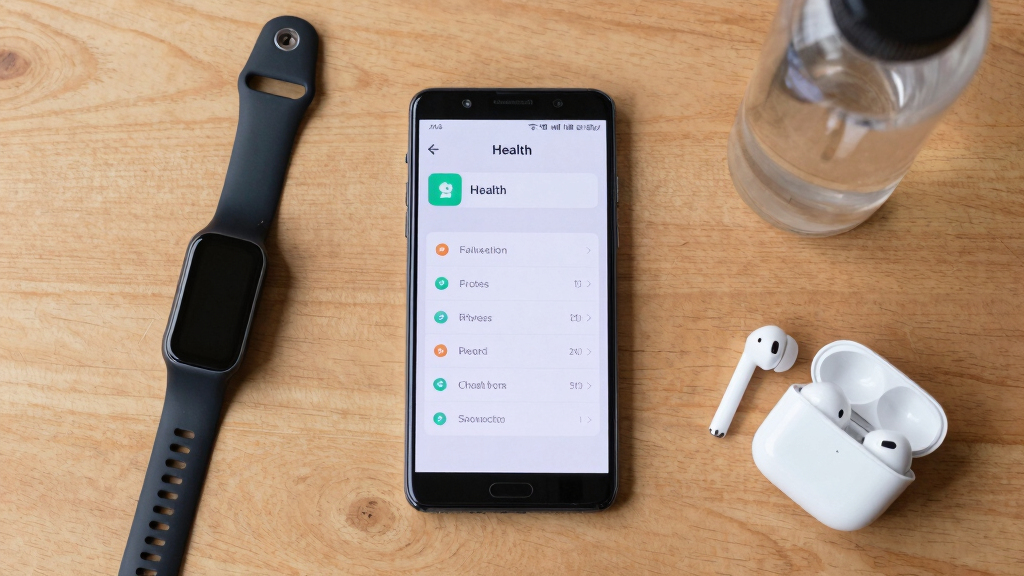
Samsung Health app has notified users that opting out of AI training could result in the deletion of their health data. The move has sparked privacy debates. The company states this is necessary for app functionality, but users are concerned about data rights.
Samsung has warned users of its Health app that refusing to participate in AI training will result in the deletion of their health data. The company states this policy is necessary to maintain app functionality, but it has raised concerns about user privacy and data rights. The warning appears in recent app updates, and users are now faced with a choice that could impact their stored health information.
According to Samsung, the new policy requires users to opt into AI training to continue using certain features of the Samsung Health app. Those who choose to opt out are being informed that their existing health data may be deleted from the app’s servers. The notification was first observed by users in South Korea and has since prompted widespread attention.
Samsung has confirmed that the policy is aimed at improving AI-driven features such as personalized health insights and activity tracking. The company emphasizes that participation in AI training is voluntary, but it states that non-participants will lose access to some functionalities and may have their data removed.
Privacy advocates and some users have expressed concern that this policy effectively coerces users into sharing their health data, raising questions about consent and data rights. Samsung has defended the move, claiming it is a technical necessity for service quality and AI development, and that users are clearly informed of the consequences.
Implications for User Privacy and Data Rights
This development highlights ongoing tensions between technology companies’ data collection practices and user privacy rights. The threat of data deletion for opting out of AI training could set a precedent, potentially influencing other apps and services to adopt similar policies. For users, it raises critical questions about consent, control over personal health information, and the transparency of data practices in widely used health apps.
Regulators and privacy advocates may scrutinize Samsung’s policy, especially if it is perceived as coercive or lacking clear, voluntary consent mechanisms. The situation underscores the importance of transparent data policies and user rights in digital health tools.
Products Worth Considering

Garmin Venu 3 Fitness Smartwatch, 45 mm, Black

Withings Body Scan Smart Scale with Segmental Body Composition and ECG, Black

Philips Sonicare DiamondClean 9000 Electric Toothbrush Bundle, HX9912/72
As an affiliate, we earn on qualifying purchases.
Background on Data Practices in Digital Health Apps
Many health and fitness apps collect user data to improve AI features and personalize experiences. However, recent debates have centered around the extent of user control and consent, especially when data deletion or service restrictions are linked to participation in data sharing. Samsung’s move follows broader industry trends where companies seek to leverage AI for better health insights but face criticism over privacy practices.
Prior to this, Samsung Health has been a popular app globally, with millions of users. The company has previously emphasized data security and user privacy, but the new policy suggests a shift towards more aggressive data collection for AI purposes. The policy change was first noticed in early April 2024, and reactions have been mixed among users and privacy groups.
“Participation in AI training is voluntary, but non-participants will experience limited functionality and may have their data removed.”
— Samsung spokesperson
Unclear Scope and Enforcement of Data Deletion Policy
It is not yet confirmed how many users will be affected or how strictly Samsung will enforce the data deletion policy. Details about the timeline for data removal and whether users can reverse their choice remain unclear. Additionally, the extent of data deletion—whether it includes all stored health data or only certain types—is still uncertain.
Next Steps for Users and Regulators
Samsung is expected to clarify the policy details in upcoming user notifications and possibly revise its terms based on feedback. Regulators in South Korea and other regions may investigate whether the policy complies with privacy laws. Users should monitor official Samsung updates and consider their options regarding data privacy and AI participation.
Further developments may include legal challenges, policy revisions, or new privacy safeguards, depending on regulatory responses and user feedback.
Key Questions
Can I keep my health data if I opt out of AI training?
It is currently unclear whether opting out will allow users to retain their existing data or if all data will be deleted. Samsung has indicated that data deletion may occur, but specific details are pending clarification.
Is this policy mandatory for all Samsung Health users?
Samsung states that participation in AI training is voluntary, but the notification suggests that non-participants may lose access to certain features or have their data removed, effectively making it a de facto requirement for continued use.
Why is Samsung implementing this policy now?
The company cites the need to improve AI functionalities and personalized health insights as reasons for requiring user participation in AI training. The policy update appears to be part of broader efforts to enhance its health platform.
Are other apps adopting similar policies?
Some other digital health and fitness apps have begun integrating AI features that depend on user data, but Samsung’s explicit threat of data deletion for opting out is relatively uncommon and has drawn attention as a potential industry precedent.
What should users do if they are concerned about their data privacy?
Users should review Samsung’s official privacy policies, consider their comfort level with AI data sharing, and stay informed about any updates or legal developments related to the policy. Consulting privacy advocates or legal advice may also be advisable.
Source: hn