
TL;DR

Turn quiet afternoons into listening time
- Thousands of audiobooks, podcasts and originals
- Listen on your phone, tablet or Echo — also offline
- Cancel anytime
São Paulo has confirmed over 58,000 dengue cases since January 2024, according to Agência Brasil. The surge highlights ongoing public health challenges in controlling the mosquito-borne disease.
São Paulo has confirmed more than 58,000 cases of dengue since January 2024, according to Agência Brasil. The rising number underscores the ongoing public health challenge posed by the mosquito-borne disease in Brazil’s most populous city, with authorities warning of continued spread and urging preventive measures.
The São Paulo municipal health department announced that, as of April 2024, over 58,000 cases of dengue have been officially registered since the start of the year. This figure represents a significant increase compared to the same period in previous years, indicating a worsening outbreak that has yet to peak.
Health officials attribute the rise to a combination of factors, including unusual weather patterns, increased mosquito breeding sites, and gaps in vector control efforts. The city has seen recent heavy rains, which create ideal conditions for mosquito proliferation, complicating efforts to contain the outbreak.
Local authorities have intensified public awareness campaigns, urging residents to eliminate standing water around homes, use mosquito repellents, and seek medical attention if symptoms such as fever, headache, or muscle pain occur. Despite these initiatives, health services report a surge in dengue-related consultations and hospitalizations.
Experts warn that the actual number of cases may be higher, as many infections are mild and may not be officially reported. The World Health Organization classifies dengue as a significant public health threat in tropical urban centers, and São Paulo’s current situation reflects broader regional concerns.
Implications of the Dengue Surge in São Paulo
The rising number of dengue cases in São Paulo is a critical public health concern because it indicates ongoing transmission and potential strain on healthcare resources. The outbreak increases the risk of severe dengue cases, which can lead to hospitalization or death, especially among vulnerable populations such as children and the elderly.
Moreover, the surge underscores the importance of effective vector control programs and community engagement in preventing mosquito breeding. If the trend continues, it could lead to broader outbreaks, impacting daily life, economic productivity, and healthcare systems in the city.
This situation also highlights the need for sustained public health investment and preparedness to manage mosquito-borne diseases, especially amid climate variability that favors mosquito proliferation.
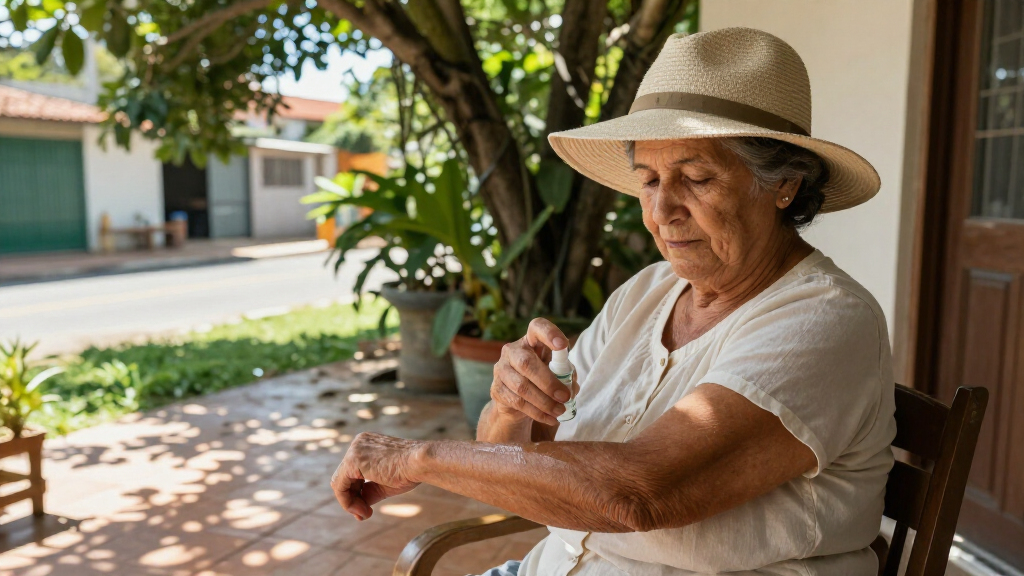
mosquito repellent spray for dengue prevention
As an affiliate, we earn on qualifying purchases.
As an affiliate, we earn on qualifying purchases.
Recent Trends and Public Health Efforts in São Paulo
Historically, São Paulo experiences seasonal increases in dengue cases, typically peaking during warmer, rainy months. The current outbreak, however, appears more intense than in previous years, with health officials noting a sharp rise since January 2024.
Prior to this surge, the city had implemented various control measures, including insecticide spraying, community clean-up campaigns, and public awareness initiatives. Nevertheless, the persistent increase suggests that these efforts may need to be intensified or re-evaluated.
Brazil’s health surveillance agencies have been monitoring dengue trends nationwide, with São Paulo accounting for a significant proportion of cases. The outbreak aligns with regional patterns of mosquito-borne disease transmission, which have been exacerbated by climate change and urbanization.
Officials are also concerned about the potential for co-circulation of other arboviruses, such as Zika and chikungunya, which share mosquito vectors and can complicate diagnosis and treatment.
Unconfirmed Factors Behind the Outbreak’s Severity
While the official case count is confirmed, it remains unclear how many infections are undiagnosed or unreported, which could mean the true number of cases is higher. The specific contribution of weather patterns, urban infrastructure, and public health measures to the outbreak’s intensity is still under investigation.
Additionally, it is not yet confirmed whether the current rise in cases will peak soon or continue to escalate in the coming months. The role of potential new mosquito control strategies and their effectiveness remains to be seen.
Next Steps for Controlling the Dengue Outbreak
Health authorities are expected to intensify vector control measures, including targeted insecticide spraying and community clean-up campaigns. Monitoring of case trends will continue, with officials aiming to assess whether these efforts reduce new infections.
Public health agencies are also likely to expand public awareness campaigns, emphasizing personal protective measures and community engagement. Researchers are monitoring weather patterns and mosquito populations to better predict outbreak trajectories.
In the longer term, officials may revisit urban planning and sanitation policies to reduce mosquito breeding sites, especially in high-risk neighborhoods.
Key Questions
How many dengue cases have been reported in São Paulo this year?
More than 58,000 cases have been officially reported since January 2024, according to Agência Brasil.
Are the reported cases likely to be the total number of infections?
It is possible that the actual number of infections is higher, as many mild cases may not be officially diagnosed or reported.
What measures are being taken to control the outbreak?
Authorities are increasing vector control efforts, public awareness campaigns, and encouraging community participation to eliminate mosquito breeding sites.
Could climate change be influencing the outbreak?
Yes, recent weather patterns, including heavy rains, create favorable conditions for mosquito breeding, which may contribute to the outbreak’s severity.
What should residents do to protect themselves?
Residents are advised to eliminate standing water, use mosquito repellents, and seek medical attention if symptoms appear.
Source: local
Fall Picks
fall essentials
As an affiliate, we earn on qualifying purchases.