
TL;DR
Listen free for 30 days with Audible
Thousands of audiobooks and originals — cancel anytime.
Start your free trialAs an affiliate, we earn on qualifying purchases.
Pennsylvania health authorities have announced the fourth death linked to the ongoing measles outbreak. The outbreak continues to grow, heightening public health concerns and prompting increased vaccination efforts.
Pennsylvania health officials have confirmed the state’s fourth death linked to the ongoing measles outbreak, which is now expanding across multiple counties. The death was announced on March 26, 2026, and underscores the increasing severity of the outbreak, which has prompted urgent public health responses and renewed calls for vaccination.
The Pennsylvania Department of Health confirmed that the latest death involved a resident of Allegheny County, who was unvaccinated and had underlying health conditions. This brings the total number of measles-related fatalities in the state to four since the outbreak was first identified in late February 2026.
The outbreak has now been reported in at least 12 counties, with over 150 confirmed cases, according to the department’s latest update. Public health officials say the majority of cases involve unvaccinated individuals, highlighting ongoing vaccine hesitancy and misinformation as key challenges.
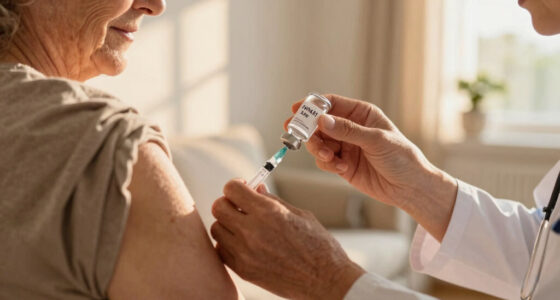
Health authorities are urging residents to get vaccinated, especially children and vulnerable populations, and are deploying mobile clinics and public awareness campaigns to curb the spread of the virus. The CDC has also issued advisories emphasizing the importance of vaccination and warning about the risks of measles, which can lead to severe complications and death.
Why the Rising Death Toll in Pennsylvania Matters
The confirmation of a fourth death from measles in Pennsylvania signals a serious escalation in the outbreak, which has already strained local health resources. Measles is a highly contagious disease that can cause severe health complications, including pneumonia, encephalitis, and death, especially among unvaccinated children and immunocompromised individuals.
This development highlights the ongoing risks posed by vaccine hesitancy and misinformation, which continue to hinder efforts to achieve herd immunity. The increasing number of cases and fatalities underscores the importance of vaccination as a critical public health tool. The outbreak also raises concerns about potential spillover into neighboring states, given the interconnectedness of communities and travel patterns.
Public health officials warn that if vaccination rates do not improve, the outbreak could worsen, leading to more preventable deaths and overwhelming healthcare services. The situation emphasizes the need for ongoing surveillance, community engagement, and targeted vaccination campaigns to contain the spread.
children's face masks for virus protection
As an affiliate, we earn on qualifying purchases.
As an affiliate, we earn on qualifying purchases.
Background of the Pennsylvania Measles Outbreak
The current measles outbreak in Pennsylvania was first identified in late February 2026, with initial cases reported in Allegheny County. Since then, the number of confirmed cases has steadily increased, with health authorities attributing the spread largely to unvaccinated populations and pockets of vaccine refusal.
Measles was declared eliminated in the United States in 2000, but recent outbreaks have occurred due to declining vaccination rates, driven by misinformation and vaccine skepticism. Pennsylvania has seen a rise in vaccine exemptions, which has contributed to the vulnerability of certain communities.
Previous outbreaks in the U.S. have resulted in hospitalizations and fatalities, but the current situation in Pennsylvania is notable for its rising death toll, which is now at four confirmed deaths. Public health officials have repeatedly emphasized the importance of vaccination in preventing such outbreaks and their associated severe health outcomes.
Unconfirmed Details About the Outbreak’s Full Scope
It is not yet clear how many additional cases might emerge in the coming weeks, or whether the outbreak has peaked. Details about the exact number of unvaccinated individuals affected and the full extent of community spread are still emerging. Authorities have not released comprehensive data on the demographics of all affected individuals, and the impact on healthcare facilities remains uncertain.
Next Steps in Containing the Outbreak and Protecting Public Health
Health officials are expected to intensify vaccination campaigns, including mobile clinics and public outreach, to increase immunization rates. Monitoring and contact tracing efforts will likely be expanded to identify and isolate new cases promptly. Authorities also plan to review vaccination policies and address vaccine hesitancy through community engagement.
Further updates from the Pennsylvania Department of Health and CDC are anticipated as the situation develops, with officials emphasizing the importance of community cooperation to prevent additional fatalities and control the outbreak.
Key Questions
How many people have been affected by the measles outbreak in Pennsylvania?
According to the latest reports, there are over 150 confirmed cases across at least 12 counties, with four confirmed deaths.
What are the main reasons behind the outbreak?
The outbreak has been largely attributed to low vaccination rates and vaccine hesitancy among certain populations, which has allowed the highly contagious measles virus to spread.
What are the symptoms of measles and who is most at risk?
Symptoms include high fever, cough, runny nose, red eyes, and a characteristic rash. Unvaccinated children, immunocompromised individuals, and those with underlying health conditions are most at risk of severe complications and death.
What can residents do to protect themselves and others?
Residents are urged to get vaccinated if they haven’t already, especially children and vulnerable populations. Following public health guidelines and avoiding contact with infected individuals can also help prevent the spread.
Are there any travel restrictions related to the outbreak?
Currently, there are no travel restrictions, but health officials advise travelers to ensure their vaccinations are up to date and to stay informed about local outbreaks and advisories.
Source: rss
Fall yard work Picks
leaf blowers
As an affiliate, we earn on qualifying purchases.