
TL;DR

Turn quiet afternoons into listening time
- Thousands of audiobooks, podcasts and originals
- Listen on your phone, tablet or Echo — also offline
- Cancel anytime
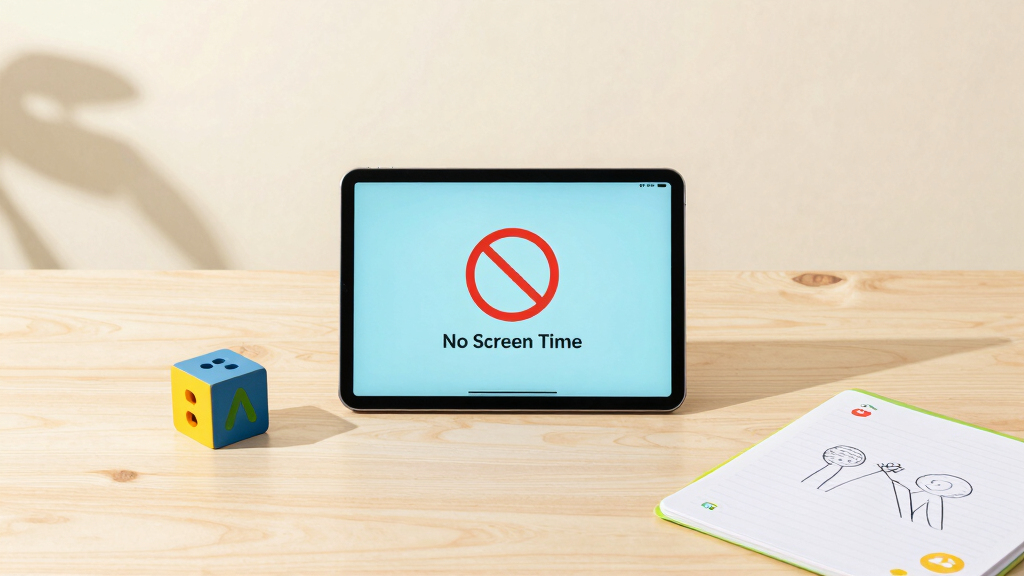
LAUSD has implemented a ban on screen time for children before second grade, making it one of the strictest policies nationwide. The move aims to prioritize developmental health but raises questions about implementation and impact.
Los Angeles Unified School District (LAUSD) has officially banned screen time for children before they reach second grade, marking one of the strictest policies in the United States. The policy aims to promote healthier developmental practices among young children and reflects growing concerns about early screen exposure. This move is significant given LAUSD’s size and influence, potentially setting a precedent for other districts.
LAUSD’s new policy prohibits teachers and staff from allowing students in pre-kindergarten through first grade to use screens during school hours, including tablets, computers, and other digital devices. The district’s administration stated that the ban is grounded in research suggesting early screen exposure can hinder social, emotional, and cognitive development. The policy was announced at a district board meeting on March 15, 2024, and is now in effect for all LAUSD elementary schools.
Officials from LAUSD emphasized that the policy applies solely to school settings and does not restrict parents or guardians from allowing screen use at home. The district also announced plans to implement alternative activities, such as outdoor play and hands-on learning, to replace screen-based instruction for young students. The move has garnered mixed reactions from educators, parents, and industry groups, with some praising the focus on early childhood health and others raising concerns about practicality and educational equity.
Implications of LAUSD’s Strict Screen Time Ban
This policy could influence other school districts across the country to reevaluate their screen use guidelines for young children. It highlights a growing awareness of the potential negative impacts of early screen exposure, including impacts on attention spans, social skills, and emotional regulation. For parents, this may mean adjusting routines and expectations around digital devices. The ban also raises questions about how schools will implement and enforce the policy, and whether it will affect educational outcomes.
educational toys for preschool children
As an affiliate, we earn on qualifying purchases.
As an affiliate, we earn on qualifying purchases.
Background on Screen Time Policies in U.S. Schools
Over recent years, there has been increasing debate about the role of digital devices in early childhood education. While some districts have integrated screens into learning, others have adopted more cautious approaches. The American Academy of Pediatrics recommends limited screen time for young children, emphasizing quality over quantity. LAUSD’s new policy stands out as among the most restrictive, reflecting a broader trend toward prioritizing physical activity and hands-on learning in early education settings.
Prior to this, some districts had guidelines limiting screen use but did not outright ban it for young children. The policy’s announcement follows a series of studies linking excessive screen time to developmental delays and behavioral issues. It also coincides with increased parental concern about children’s digital habits amid the proliferation of educational apps and online learning tools.
“Our goal is to foster healthy development and social skills by reducing early screen exposure. We believe this policy will benefit students in the long run.”
— LAUSD Superintendent, Dr. Maria Lopez
Unanswered Questions About Policy Implementation
It is not yet clear how LAUSD will monitor and enforce the ban across all schools. Details about how teachers will replace screen-based activities and how the policy will be evaluated for effectiveness remain forthcoming. Additionally, the impact on student learning outcomes and parental compliance are still uncertain, as the policy is newly enacted.
Next Steps for LAUSD and Broader Adoption
LAUSD plans to monitor the policy’s implementation over the coming months, collecting feedback from educators and parents. The district may also review and adjust guidelines based on practical outcomes. Other districts could observe LAUSD’s experience to determine if similar restrictions are feasible or beneficial in their contexts. Further research and policy discussions are expected to follow.
Key Questions
Does this ban apply outside school hours?
No, the policy applies only during school hours. Parents are free to set their own rules at home.
Will teachers be penalized for allowing screen time?
LAUSD has stated that staff will be trained on the new guidelines, but specific enforcement measures are still being developed.
What activities will replace screen time in classrooms?
LAUSD plans to emphasize outdoor play, arts, and hands-on learning as alternatives to screen-based activities.
Could this policy impact educational outcomes?
The long-term effects are unclear; experts are watching how the ban influences learning and social development.
Are other districts considering similar bans?
Some districts are reviewing their policies, but LAUSD’s ban is among the most comprehensive and strict in the country.
Source: google-trends
Fall Picks
fall essentials
As an affiliate, we earn on qualifying purchases.