
TL;DR
Wildfire smoke from nearby fires is significantly degrading Toronto’s air quality. Vulnerable populations, including the elderly and those with pre-existing conditions, are most at risk. Authorities have issued health warnings as the situation develops.
Toronto’s air quality has deteriorated sharply due to smoke from nearby wildfires, leading authorities to issue health advisories. The wildfire smoke is particularly impacting the city’s most vulnerable populations, including seniors, children, and individuals with pre-existing health conditions.
Recent measurements indicate that Toronto’s air quality index (AQI) has reached levels categorized as ‘unhealthy’ for sensitive groups, according to Environment Canada. The smoke, originating from wildfires in northern Ontario and Quebec, has traveled southward, affecting the Greater Toronto Area.
Health officials warn that prolonged exposure to degraded air quality can exacerbate respiratory and cardiovascular conditions. Hospitals report an increase in emergency visits related to breathing difficulties, especially among vulnerable residents.
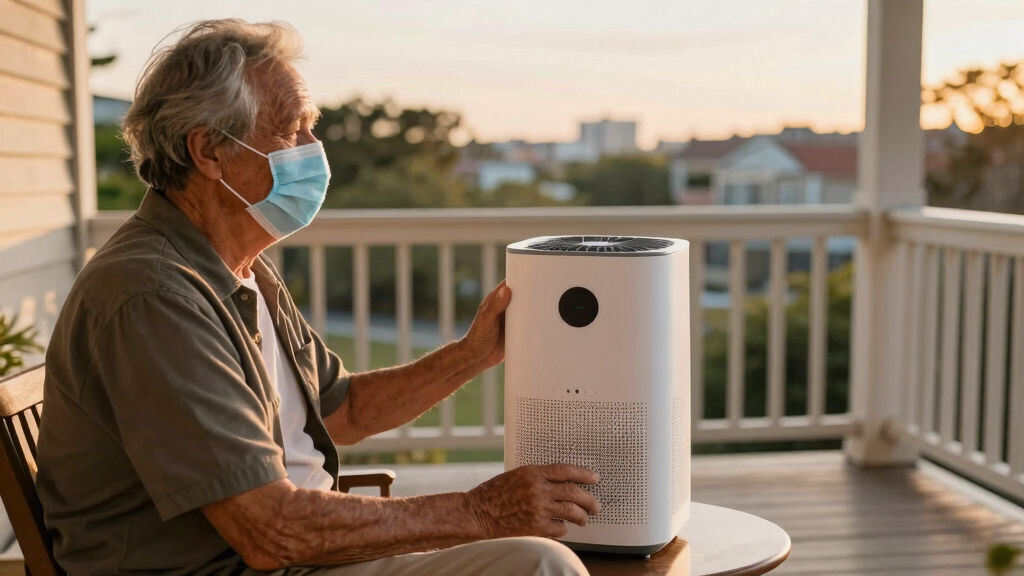
City authorities have activated air quality alerts and advised residents, particularly those in high-risk groups, to stay indoors, reduce outdoor activities, and use air purifiers when possible. Mask distribution programs are also being considered in some neighborhoods.
Impacts on Vulnerable Populations in Toronto
This situation highlights the heightened health risks faced by Toronto’s most vulnerable residents during environmental crises. The increased exposure to wildfire smoke can lead to serious health complications, strain healthcare resources, and underscore the need for targeted public health responses and preparedness for future events.As an affiliate, we earn on qualifying purchases.
Wildfire Smoke and Air Quality Trends in Toronto
Toronto’s air quality has been increasingly affected by wildfires in northern regions over the past week, with smoke traveling hundreds of kilometers south. Historically, wildfire smoke has caused temporary air quality issues, but the current situation is notable for its severity and the number of vulnerable residents impacted. Authorities have previously issued advisories during similar events, but this episode marks one of the more significant recent episodes of smoke infiltration into urban areas.“We are seeing a marked decline in air quality, which poses serious health risks, especially for seniors and those with pre-existing conditions. It’s crucial for vulnerable populations to minimize outdoor exposure.”
— Dr. Lisa Nguyen, Toronto Public Health
Uncertainties About Duration and Long-Term Effects
It is not yet clear how long the wildfire smoke will persist in Toronto or the full extent of long-term health impacts. The trajectory of the wildfires and weather conditions will influence air quality in the coming days.Monitoring, Public Health Measures, and Future Forecasts
Authorities will continue to monitor air quality levels and update the public accordingly. Health agencies are preparing additional resources for vulnerable populations, and officials are assessing the need for extended advisories. Weather forecasts will influence the duration of smoke presence, and efforts to contain the wildfires continue in northern regions.Key Questions
How long will the wildfire smoke affect Toronto?
It is currently uncertain how long the smoke will impact Toronto. The duration depends on weather conditions and wildfire activity in northern Ontario and Quebec. Authorities will provide updates as new information becomes available.
What health precautions should vulnerable residents take?
Vulnerable residents are advised to stay indoors, limit outdoor activities, use air purifiers if available, and wear masks when outside. They should also monitor health symptoms and seek medical attention if needed.
Are there any specific programs to help vulnerable populations during this event?
City officials are considering distribution of masks and providing additional resources at community centers. Hospitals are prepared for increased respiratory-related admissions, and public health advisories are in effect.
What is causing the wildfire smoke to reach Toronto?
The smoke originates from wildfires in northern Ontario and Quebec, with prevailing winds carrying it southward into the Toronto area. Weather patterns influence the extent and intensity of smoke infiltration.
Will the wildfires be contained soon?
Wildfire containment efforts are ongoing in northern regions, but it is unclear when the fires will be fully controlled. The situation remains fluid, and air quality may fluctuate accordingly.
Source: local