
TL;DR

Turn quiet afternoons into listening time
- Thousands of audiobooks, podcasts and originals
- Listen on your phone, tablet or Echo — also offline
- Cancel anytime
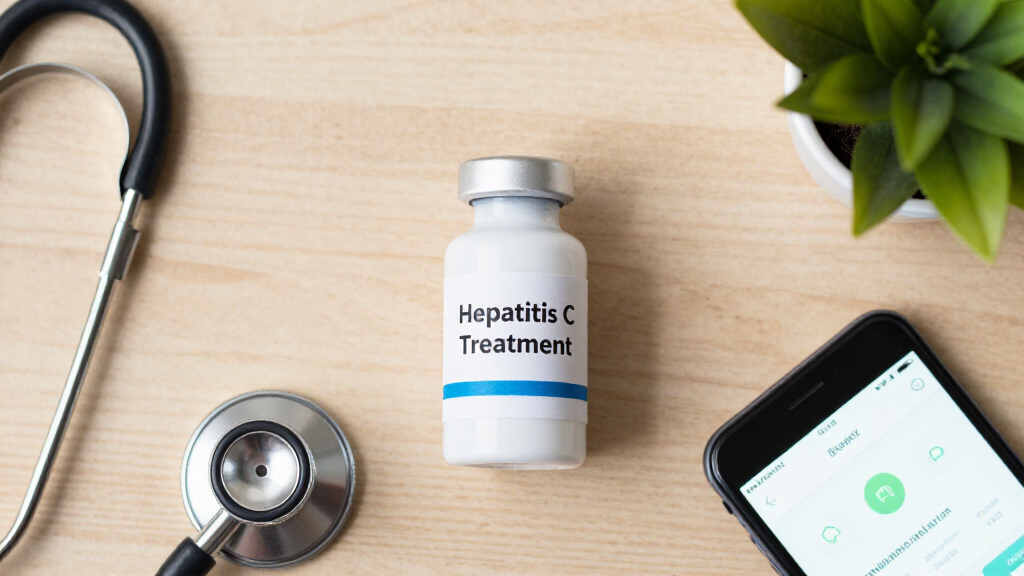
England is moving toward eliminating hepatitis C as a public health threat, with confirmed plans for widespread testing and treatment. This development could position England as a global leader in hepatitis C eradication efforts.
England is on track to become one of the first countries to eliminate hepatitis C as a public health threat, with authorities confirming the launch of a nationwide testing and treatment initiative aimed at eradicating the virus by the end of the decade.
The UK Department of Health and Social Care announced in March 2024 that England will intensify efforts to identify and treat hepatitis C cases, leveraging new medications and expanded screening programs. The initiative aims to diagnose at least 90% of existing infections and provide treatment to all diagnosed individuals, aligning with World Health Organization targets for hepatitis C elimination by 2030.
Health officials confirmed that this plan involves increasing access to direct-acting antivirals (DAAs), which have high cure rates, and integrating hepatitis C screening into routine healthcare services. The program also emphasizes reaching vulnerable populations, including intravenous drug users and marginalized communities, who are often disproportionately affected.
While the government has not yet declared complete elimination, experts say that with current strategies, England could significantly reduce hepatitis C prevalence, potentially reaching elimination status within the next five to seven years.
Potential Global Leadership in Hepatitis C Elimination
This development matters because it positions England as a leader in the global effort to eliminate hepatitis C, a virus that causes chronic liver disease and liver cancer. Achieving elimination could reduce healthcare costs, improve population health, and serve as a model for other countries still battling high infection rates.
Experts highlight that successful elimination would demonstrate the effectiveness of comprehensive screening and treatment programs, potentially influencing health policies worldwide. Additionally, reducing hepatitis C prevalence can prevent thousands of related deaths annually, saving lives and decreasing the burden on healthcare systems.
As an affiliate, we earn on qualifying purchases.
Progress and Challenges in Hepatitis C Control
Hepatitis C remains a significant public health challenge globally, with an estimated 58 million people infected worldwide according to the World Health Organization. In England, the infection rate has declined over the past decade due to improved screening and treatment efforts, but challenges remain in reaching marginalized groups and ensuring treatment adherence.
Previous initiatives, including the NHS’s national testing programs and the availability of DAAs since 2014, have contributed to a decline in hepatitis C cases. However, experts note that sustained efforts are needed to reach the WHO elimination targets, which include diagnosing 90% of infected individuals and treating 80% of those diagnosed by 2030.
This announcement signals a renewed commitment and an intensified approach, building on existing programs and expanding access to testing and treatment across England.
Uncertainties About Timeline and Implementation Scope
While the government has announced plans to eliminate hepatitis C, it is not yet clear whether the target timeline—aiming for elimination within five to seven years—will be met. Details about funding levels, specific rollout strategies, and measures to reach hard-to-access populations are still emerging. Experts caution that unforeseen challenges, such as healthcare system capacity or vaccine development, could affect progress.
Next Steps in England’s Hepatitis C Elimination Plan
The government is expected to release detailed implementation plans in the coming months, including funding allocations, screening expansion strategies, and partnerships with community organizations. Monitoring and evaluation frameworks are also likely to be established to track progress toward elimination targets. Public health agencies will continue to work closely with healthcare providers and advocacy groups to ensure the initiative’s success.
Key Questions
What is hepatitis C and how is it transmitted?
Hepatitis C is a viral infection that primarily affects the liver, transmitted through contact with contaminated blood, often via intravenous drug use, unscreened blood transfusions, or unsafe medical practices.
How close is England to eliminating hepatitis C?
England aims to eliminate hepatitis C by the end of the decade, with current strategies targeting diagnosis and treatment expansion. Officially, the government has set ambitious goals, but the timeline remains subject to implementation progress.
What treatments are available for hepatitis C?
Direct-acting antivirals (DAAs) are highly effective treatments that can cure over 95% of hepatitis C cases, typically within 8 to 12 weeks. These medications are now widely accessible in England.
Will hepatitis C be completely eradicated in England?
While elimination is the goal, it is still uncertain whether it will be fully achieved by the target date. Success depends on effective implementation, reaching all affected populations, and overcoming logistical challenges.
Source: hn
Fall Picks
fall essentials
As an affiliate, we earn on qualifying purchases.