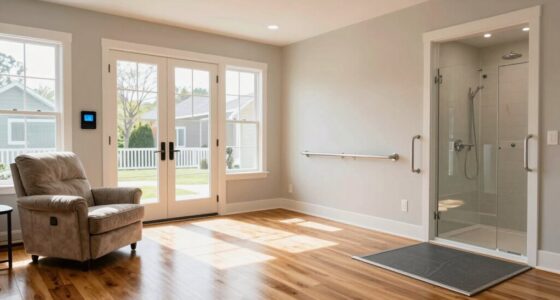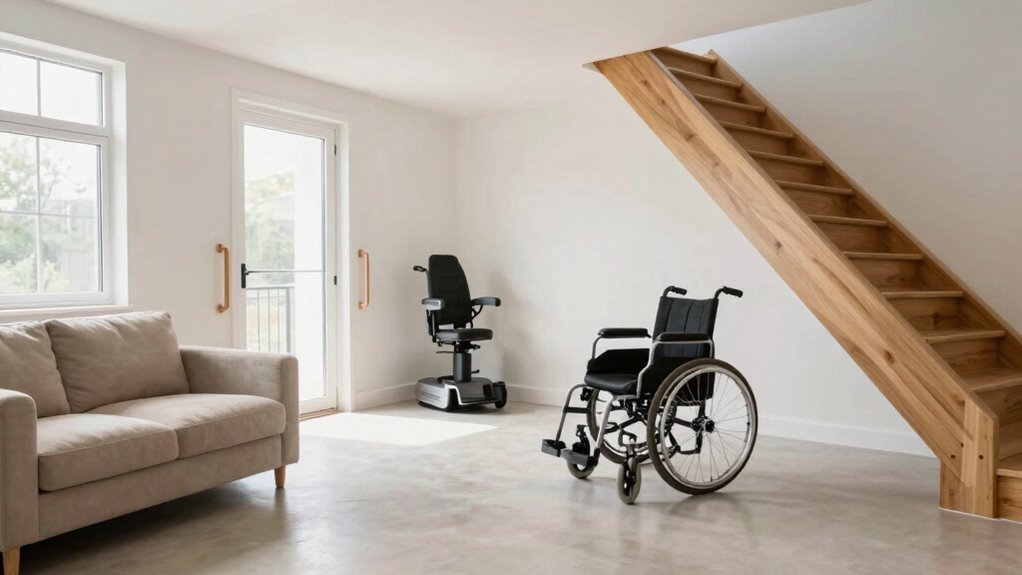

When you’re adjusting your home after a mobility diagnosis, start by evaluating safety hazards like clutter, uneven floors, and trip risks. Focus on making entryways and bathrooms accessible by installing ramps, grab bars, and non-slip surfaces. Upgrading lighting and clear signage can improve navigation, while maintaining clutter-free spaces prevents falls. Planning for future needs ensures your home stays adaptable as your mobility changes. Keep exploring to learn more ways to create a safer, more supportive environment.
Key Takeaways
- Address immediate safety hazards like clutter, loose rugs, and uneven flooring to prevent falls.
- Install grab bars, non-slip mats, and lighting in bathrooms and key areas for support and visibility.
- Widen doorways and add ramps to improve accessibility for wheelchairs or walkers.
- Ensure pathways are clear and wide enough for easy navigation throughout the home.
- Prioritize safety features such as smoke detectors, emergency exits, and accessible switches.

TAILI Grab Bars for Bathtubs and Showers 2 Pack Suction Grab Bar, Heavy Duty Shower Handle Removable Bath Handrails for Seniors and Elderly, Bathroom Safety Grip No Drilling Waterproof,Grey
Matters need Attention: Only suitable for tiles measuring 4×4 inches or larger. For the safety of the seniors…
As an affiliate, we earn on qualifying purchases.
As an affiliate, we earn on qualifying purchases.
How to Assess Your Home’s Accessibility Needs
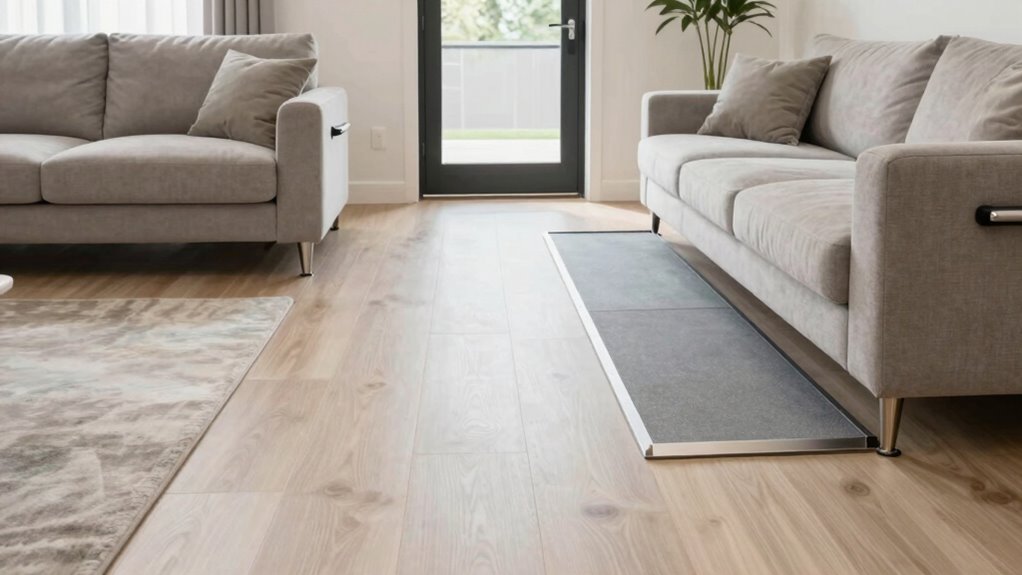
Before making any changes, you need to understand your home’s specific accessibility needs. Start by evaluating how you move through each space, noting obstacles and tight spots. Consider which assistive devices you currently use and whether they are effective. Think about your emergency preparedness—can you quickly exit or access emergency supplies if needed? Examine doorways, hallways, and bathroom setups for width and clearance, ensuring they accommodate mobility aids. Check if flooring is slip-resistant and free of tripping hazards. Involve a caregiver or occupational therapist if possible, as they can provide expert insights. This assessment helps you identify critical areas that require modification, ensuring your home becomes safer, more functional, and better prepared for emergencies. Additionally, exploring home accessibility modifications can offer practical ideas tailored to your specific needs. Understanding home technology options, such as automated doors and smart lighting, can further improve your safety and independence. Conducting a home safety evaluation can help pinpoint potential hazards and prioritize improvements effectively.

GORILLA GRIP Bath Rug Mat, Thick Soft Absorbent Chenille, Quick Dry Microfiber Mats, Rubber Backing Washable Shower Floor Rugs, US Designed Bathroom Bathmat Home Decor Accessories, 24×17, Grey
SOFT AND THICK CHENILLE: pamper your feet with the softest, coziest chenille; measuring almost one inch thick, plush…
As an affiliate, we earn on qualifying purchases.
As an affiliate, we earn on qualifying purchases.
Create a Priority Plan for Home Modifications
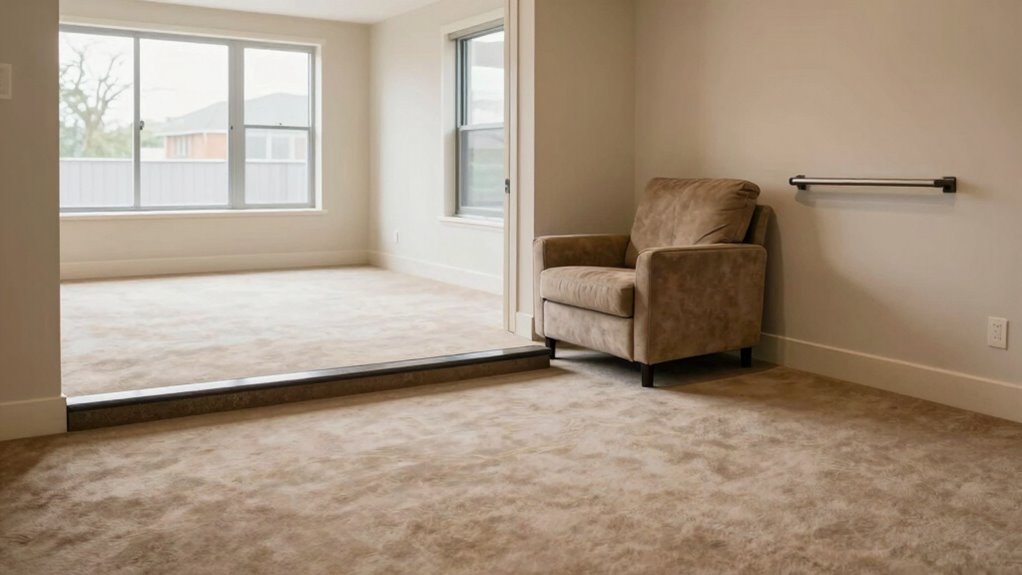
Start by addressing your immediate safety needs to prevent accidents and injuries. Then, plan for long-term adjustments that will support your mobility over time. Creating a clear priority list helps you focus on what matters most first and makes the process more manageable. Incorporating cybersecurity tactics into your planning can help protect your personal information during home modifications. Understanding assistive technology options can further enhance your home environment to better support your mobility needs. Considering home safety assessments can also identify potential hazards and guide your modification priorities effectively. Additionally, exploring whole-home water systems can ensure your living environment remains safe and comfortable by addressing essential water quality and accessibility needs. Incorporating water safety features, such as anti-slip surfaces and accessible fixtures, can further enhance your home’s safety for everyday use.
Assess Immediate Safety Needs
When addressing safety needs after a mobility diagnosis, it’s vital to prioritize the areas that pose the greatest risk of injury or accidents. Start by identifying hazards like loose rugs, cluttered walkways, or uneven flooring. Guarantee your home’s emergency preparedness plan is updated, including easy access to emergency contacts and medical supplies. Supporting caregiver support is essential, so consider modifications that make caregiving safer and easier. To help, review this quick safety checklist:
| Immediate Safety Needs | Action Items |
|---|---|
| Fall Prevention | Install grab bars, secure rugs |
| Emergency Access | Keep pathways clear, add alarms |
| Fire Safety | Smoke detectors, accessible exits |
| Support for Caregivers | Easy-to-reach supplies, safety zones |
Prioritizing these needs creates a safer environment quickly and effectively. Recognizing and implementing home safety strategies can further reduce risks and enhance overall safety.
Identify Long-Term Adjustments
Creating a long-term plan for home modifications guarantees that your living space continues to meet your changing needs effectively. Start by identifying the adjustments you’ll need over time, such as installing adaptive technology like smart home systems or automated doors. These solutions help maintain independence as your condition evolves. Additionally, explore community resources that offer support, funding, or expert advice on home modifications. Prioritize modifications that can be expanded or adapted later, ensuring flexibility. Keep in mind your future mobility goals and how your environment can support them. Regularly review and update your plan to stay aligned with your changing needs. Incorporating sound therapy techniques and accommodations can also contribute to your overall well-being and comfort. Considering home safety features during planning can further enhance your protection and peace of mind. Including home accessibility features in your plan can significantly improve daily functionality and safety. Being aware of adaptive technology options enables you to make informed decisions about the most suitable modifications. Staying informed about vetted resources and trusted professionals can help ensure your modifications are effective and reliable. This proactive approach helps you create a safe, comfortable home that adapts with you.

Nuvium Aluminum Threshold Ramps for Doorways, 31" L x 25.4" W, Wider Platform Anti-Slip Portable Ramps for Wheelchairs, Door Threshold Ramp for Wheelchair, Scooter, Strollers, Cart, Walkers, Pets
Multi-Purpose Applications: Nuvium's versatile mobile ramp effortlessly assists wheelchairs, mobility scooters, strollers, and two-wheeled vehicles over stairs and…
As an affiliate, we earn on qualifying purchases.
As an affiliate, we earn on qualifying purchases.
Make Entryways and Doorways More Accessible
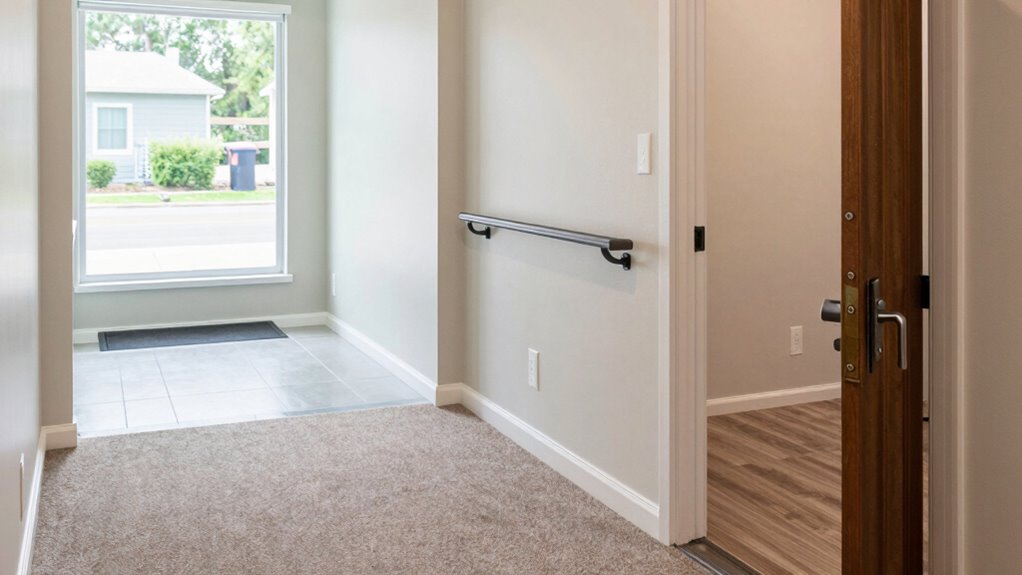
Making entryways and doorways more accessible is essential for guaranteeing safe and independent movement throughout your home. To achieve this, consider these key steps:
- Entryway upgrades: Install ramps or remove thresholds to create smooth connections. Consider consulting with a professional to ensure these modifications meet your specific mobility needs.
- Door widening: Widen doorways to at least 32 inches, allowing easier wheelchair or walker access.
- Replace door hardware: Switch to lever handles for easier gripping and operation.
- Clear pathways: Keep entry areas free of clutter to prevent tripping hazards and assure smooth passage.
- Incorporate non-slip flooring to reduce the risk of slips and falls, especially in high-traffic entry areas. Using appropriate flooring materials can further enhance safety and ease of movement. Properly maintaining clear pathways is also crucial for ongoing accessibility and safety.
These modifications improve mobility and safety, making your home more welcoming and functional. Prioritizing entryway upgrades and door widening can substantially enhance your independence and comfort.

Varify 17in1 Complete Drinking Water Test Kit – 100 Strips + 2 Bacteria Tester Kits – Well, Tap, Home, City Water Testing Strip for Lead, Alkaline, Chlorine, Hardness, Iron, Fluoride, Copper & More
17 IMPORTANT PARAMETERS: The Varify Premium Drinking Water Test Kit offers an unrivaled, complete analysis of your drinking…
As an affiliate, we earn on qualifying purchases.
As an affiliate, we earn on qualifying purchases.
Upgrade Flooring to Prevent Slips and Trips
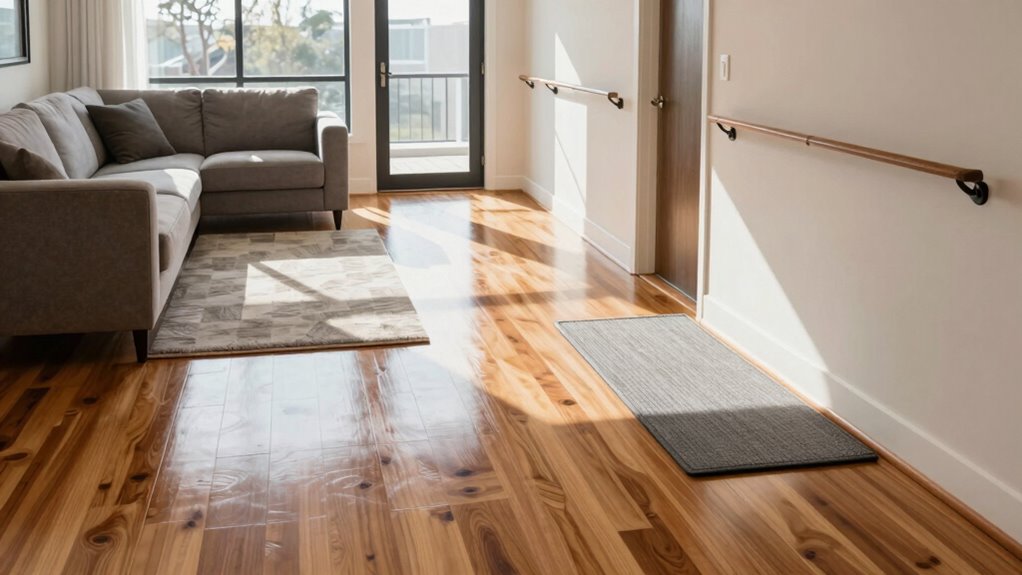
To reduce the risk of slips and trips, upgrading your flooring is a essential step in making your home safer. Choose non-slip flooring options like textured tiles, rubber, or vinyl that provide better traction underfoot. These surfaces help prevent falls, especially in high-traffic or moisture-prone areas. Additionally, consider installing safety rails along stairs and hallways to offer support and stability. Safety rails serve as a critical aid when traversing uneven or challenging surfaces. Keep floors clear of clutter and verify rugs have non-slip backing to avoid tripping hazards. Regularly inspect your flooring for damage or wear that could compromise safety. Making these changes creates a more secure environment, empowering you to move confidently throughout your home. For added safety, consider using portable oil radiators with safety features like tip-over shut-off mechanisms to prevent accidents during cold weather. Being aware of home safety assessments can help identify other potential hazards to address, including flooring safety.
Install Safety Features in the Bathroom

The bathroom is one of the most important areas to adapt for safety after a mobility diagnosis. To prevent falls and increase independence, consider installing key safety features. First, add bathtub grab bars to provide support when entering or exiting the tub. Second, install a sturdy shower seat to allow for comfortable, stable sitting during showers. Third, place non-slip mats inside the tub and on the bathroom floor to reduce slipperiness. Fourth, make sure the bathroom has adequate lighting to improve visibility. These modifications make the space safer and easier to navigate, minimizing risks. Additionally, researching accessible bathroom designs can offer further ideas to enhance safety and comfort. Incorporating home safety modifications can also make a significant difference in overall safety. Ensuring that toxin-free materials are used in bathroom fixtures and finishes can further promote a healthier environment for your family.
Improve Kitchen Accessibility for Easier Use
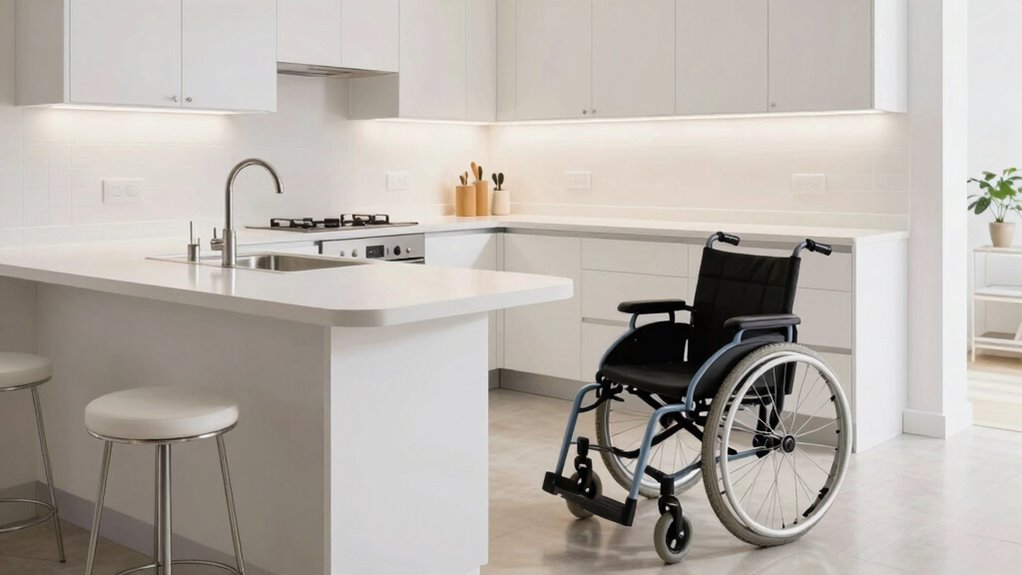
Upgrading your kitchen for better accessibility can markedly improve daily independence and safety. Start by lowering countertops to a comfortable height, making it easier to prepare meals without strain. Incorporate adaptive utensils with ergonomic handles to reduce effort and improve grip, especially if you have limited dexterity. Consider installing pull-out shelves or drawers to access items effortlessly and reduce reaching or bending. Make sure there’s enough space to maneuver a wheelchair or walker comfortably. Keep frequently used items within easy reach to minimize unnecessary movement. These adjustments make your kitchen safer and more functional, helping you maintain independence while cooking and cleaning. Small changes like these can greatly enhance your ability to perform daily tasks with confidence and ease. Additionally, using ergonomic tools and accessories can further reduce strain and improve overall kitchen safety. Incorporating accessible storage solutions can also help organize items efficiently, making everyday tasks more manageable.
Enhance Lighting and Visual Aids for Better Navigation
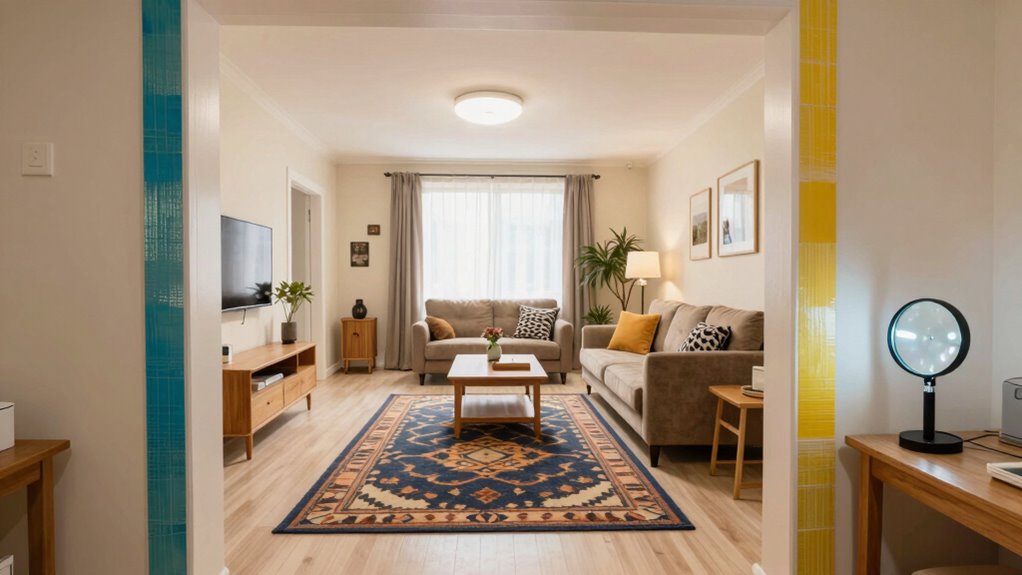
Improving lighting and adding visual cues can considerably enhance your ability to navigate your home safely. Good lighting upgrades eliminate shadows and dark spots, reducing fall risks. Visual aids like contrasting colors and clear signage help you recognize obstacles and important areas. To optimize your space, consider:
- Installing brighter, energy-efficient lighting fixtures in hallways and stairwells.
- Using contrasting tape or paint on steps, door frames, and furniture edges.
- Adding nightlights to illuminate paths during nighttime.
- Placing labeled or color-coded visual aids to identify rooms and key features.
These changes improve visibility and spatial awareness, making everyday navigation more manageable. Prioritizing lighting upgrades and visual cues creates a safer, more accessible environment tailored to your needs.
Clear Clutter and Improve Storage Safety
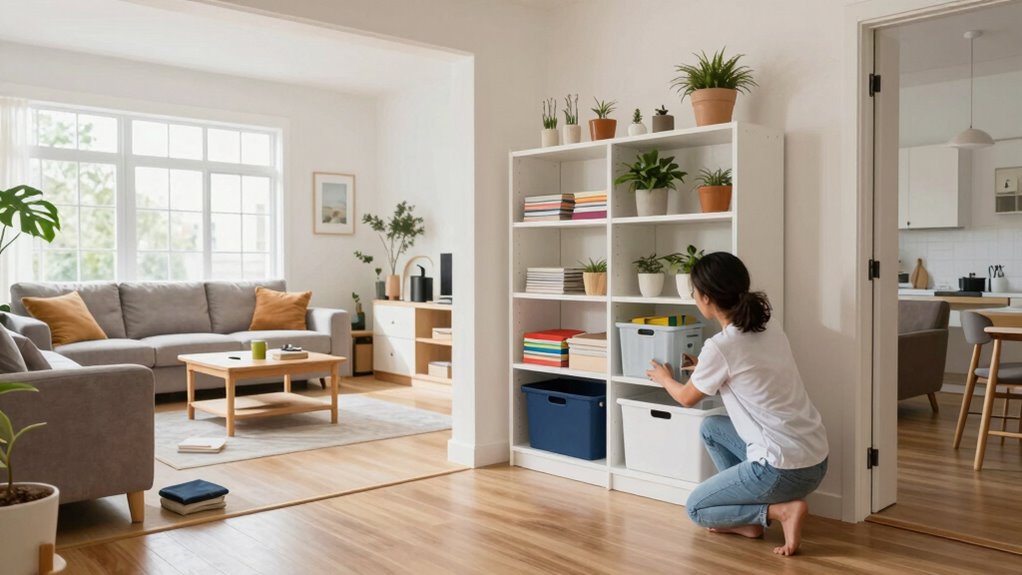
Clearing clutter from your home is essential for reducing tripping hazards and creating a safer environment. Effective clutter management involves organizing your belongings with practical storage solutions that keep pathways clear. Use bins, shelves, and cabinets to store items out of the way, especially in high-traffic areas. Keep frequently used items within easy reach to prevent unnecessary bending or stretching. Regularly reassess your clutter to avoid accumulation and guarantee safety. Clear surfaces and pathways help prevent falls and make navigation easier. When you implement smart storage solutions, you create a more accessible space that accommodates your changing mobility needs. Staying organized not only improves safety but also reduces stress, making your home a more comfortable place to live.
Plan for Future Needs With Flexible Home Modifications
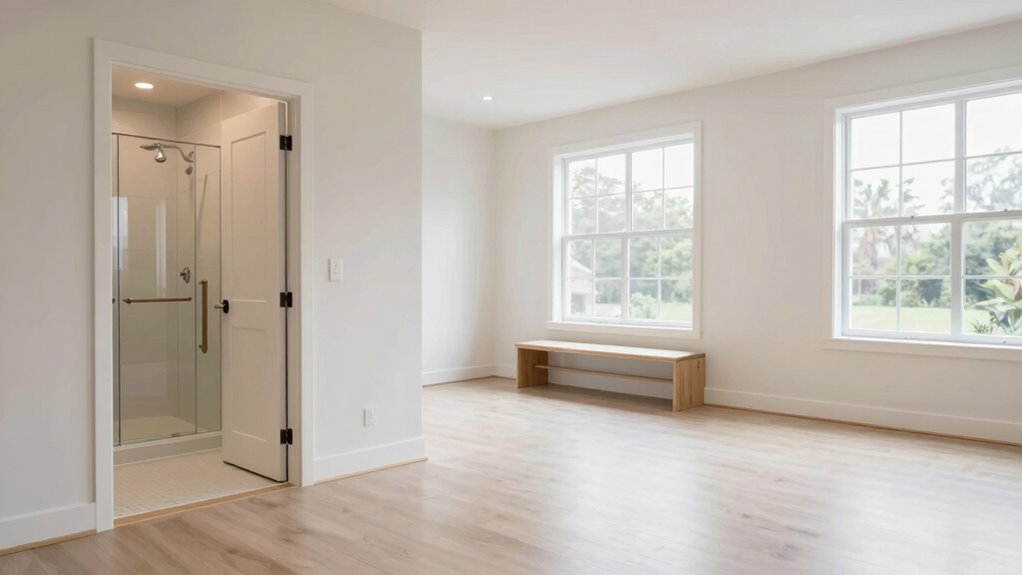
Planning for your future needs involves considering flexible home modifications that can adapt as your mobility changes. These adjustments guarantee safety and comfort over time. First, invest in adaptive furniture that can be easily modified or adjusted to meet evolving needs. Second, design clear pathways to allow easy navigation, reducing fall risks. Third, incorporate emergency preparedness features, like accessible exits and communication devices, to stay safe during crises. Fourth, consider installing temporary or modular modifications that can be expanded or moved as needed, avoiding costly rebuilds. By focusing on flexibility now, you create a home that adapts with you, making daily life safer and more manageable as your mobility shifts.
Get Started With Your Home Accessibility Improvements
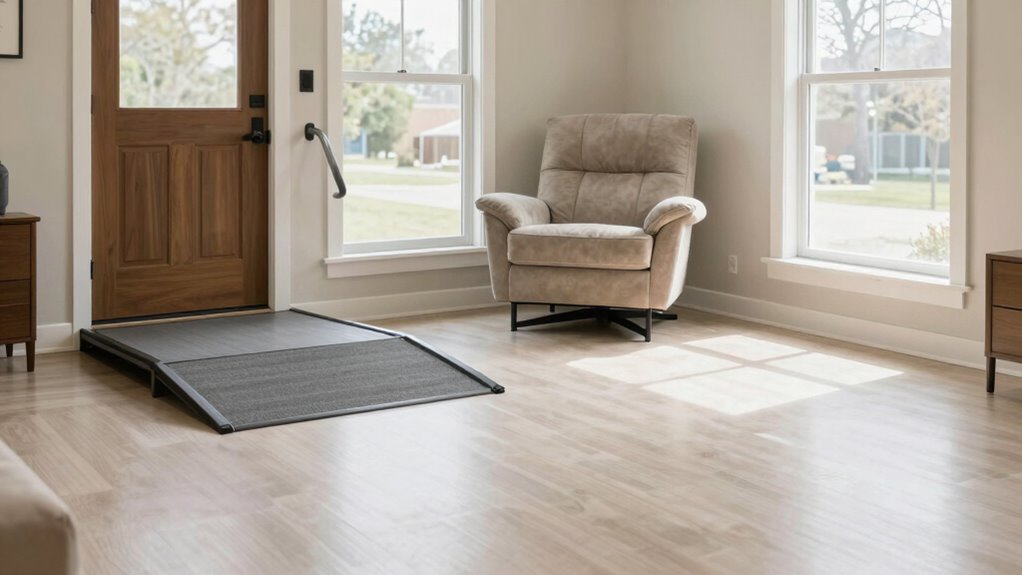
Starting your home accessibility upgrades may seem overwhelming, but taking small, focused steps can make the process manageable. Begin by evaluating your immediate needs, such as doorways, hallways, and bathroom access. Focus on practical improvements like ramps or grab bars that enhance safety without compromising decorating aesthetics. Remember, accessibility upgrades can blend seamlessly with your existing décor, making your home both functional and inviting. Don’t forget outdoor landscaping—simple adjustments like level paths, non-slip surfaces, or raised garden beds can improve safety and enjoyment outside. Tackle one area at a time, and celebrate each success. This approach prevents burnout and ensures you create a comfortable, accessible environment that feels personalized and welcoming.
Frequently Asked Questions
How Do I Choose the Best Mobility Aids for My Home?
To choose the best mobility aids for your home, start by evaluating your specific needs and mobility challenges. Consider furniture arrangement to ensure clear pathways and easy access, and look into aids like walkers or grab bars that support stability. Additionally, lighting adjustments can improve visibility. Consult with a healthcare professional or occupational therapist, who can recommend aids tailored to your situation, making your home safer and more comfortable.
What Budget Considerations Should I Keep in Mind for Modifications?
Like planning a road trip, you want to map out your budget first. Consider financing options and prioritize assessments to identify the most urgent modifications. Setting a clear budget helps you avoid overspending and guides your decisions. Look into grants or assistance programs that can ease costs. By focusing on essential changes first, you guarantee safety and accessibility without stretching your finances too thin.
Are There Any Legal or Insurance Benefits Available for Home Modifications?
You might be eligible for insurance coverage or legal benefits that support home modifications. Check with your insurance provider to see if they cover ramps, grab bars, or other accessibility upgrades. Additionally, understanding your legal rights can help you access government grants or assistance programs designed for mobility-related home improvements. Consulting a legal expert or an advocate can guarantee you maximize available benefits and navigate the application process effectively.
How Can I Involve Family Members in the Home Adaptation Process?
You can involve family members by discussing the home adaptations together, encouraging their input and ideas. Invite them to participate in planning and installing modifications, which fosters family participation and shared responsibility. Their emotional support is essential, so keep open communication, listen to their concerns, and celebrate milestones. This involvement not only makes the process smoother but also strengthens your support network, helping everyone feel more connected and prepared for the changes ahead.
What Are Common Mistakes to Avoid When Planning Accessibility Changes?
Think of planning your home makeover as steering through a maze; avoid dead ends by steering clear of common mistakes. Prioritize home safety, like securing grab bars and removing tripping hazards, but don’t overlook aesthetic appeal—balance functionality with style. Avoid rushing decisions or over-customizing, which could limit future flexibility. Instead, consult professionals to make certain accessibility changes are effective and harmonious, creating a space that’s safe, welcoming, and visually pleasing.
Conclusion
Don’t let concerns about cost or effort hold you back. Starting with small, manageable changes can make a huge difference in your safety and independence. Imagine moving through your home confidently, without worries about slips or falls. These improvements not only enhance safety but also boost your confidence in everyday activities. Taking that first step today can transform your living space into a secure, accessible haven—giving you peace of mind and the freedom to enjoy your home fully.