
TL;DR

Turn quiet afternoons into listening time
- Thousands of audiobooks, podcasts and originals
- Listen on your phone, tablet or Echo — also offline
- Cancel anytime
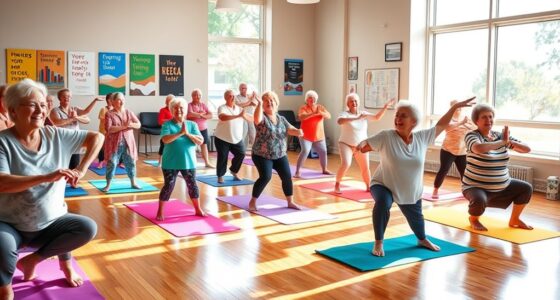
A Sixty and Me report describes seven simple fitness habits intended to support everyday movement after 60, including walking, strength exercises, balance practice, stretching, and rest. It recommends starting with one manageable habit and adapting activity to individual ability; the article is lifestyle guidance, not evidence that these routines produce specific outcomes for every reader.
Sixty and Me has published a report outlining seven simple fitness habits that may help adults over 60 incorporate more movement into daily routines, from short walks to chair-based strength exercises. The article presents practical suggestions rather than new research, and advises readers to adapt activities to their abilities and seek professional guidance when health conditions or inactivity could affect safety.
The report’s suggestions cover both planned exercise and movement woven into ordinary tasks. It recommends starting with a short daily walk, such as 10 minutes after breakfast, and increasing the duration only if that feels manageable. For strength, it offers examples that can be done at home: repeatedly standing up from a chair, wall push-ups and curls using soup cans. It suggests trying strength exercises two to three times a week.
Balance practice can include standing on one foot while holding a counter for support, or walking heel to toe along a hallway. The report also suggests morning stretches, including seated movements for people who find standing uncomfortable. Other habits are to break up extended sitting by standing during television commercials or walking while on a phone call, to favor regular activity over perfection, and to allow time for rest and recovery.
These are recommendations from the Sixty and Me article, not findings from a cited clinical trial. It says readers do not need to adopt all seven habits at once: choose one that feels easiest, repeat it until it becomes routine, then consider adding another. The report also advises stopping or reducing an activity if it causes discomfort and keeping a sturdy support nearby for balance exercises.
Everyday Tasks and Regular Movement
The article focuses on physical activities that connect directly to daily tasks: climbing stairs, getting up from a chair, carrying groceries and reaching for items. Its approach may appeal to readers who find formal or demanding exercise routines difficult to begin, because it emphasizes short sessions and familiar movements rather than equipment or a complicated schedule.
That practical framing is not a guarantee of improved mobility or a substitute for individual exercise guidance. People differ in their health, balance, strength and experience with physical activity. The report’s main message is to make movement manageable and repeatable, while paying attention to discomfort and fatigue. For readers, the distinction matters: the suggestions are starting points, not a personalized assessment of what is safe or appropriate.
Products Worth Considering

Withings Sleep Under-Mattress Sleep Tracking Pad

Garmin Forerunner 970 GPS Running Smartwatch Bundle, Soft Gold

Blueair Blue Pure 511i Max Smart Air Purifier
As an affiliate, we earn on qualifying purchases.
Seven Habits in the Report
The seven habits are walking, easy strength training, balance practice, stretching, moving more during the day, consistency and rest. The first five encourage regular movement in different forms. The remaining two address how to maintain a routine: avoid treating an occasional missed day as failure, and make room for recovery when sore or fatigued.
The report’s examples are deliberately adaptable. Walking can begin with a brief route near home; strength movements can use a chair or household items; and balance exercises can be modified with a hand on a counter. Stretches can be done seated. The article also says to increase activity gradually rather than trying to establish all seven habits at once. It provides no individualized exercise plan or quantified evidence about the results of these specific examples.
Safety Depends on Individual Needs
The source does not provide a publication date, cite research for the suggested frequency, or report measured outcomes for people who follow the routine. It is therefore unclear how much benefit any particular habit would provide for an individual, or whether the examples fit a reader’s medical needs, mobility or medication effects.
The article advises people with medical conditions, medicines that affect balance, or a recent period of inactivity to consult a doctor or physical therapist before beginning. It says to stop and seek medical attention for dizziness, lightheadedness, chest pain or shortness of breath. These precautions do not replace professional medical advice; readers should seek qualified guidance about decisions related to their health.
Start Small and Adjust Gradually
The report’s proposed next step is for readers to choose one manageable habit and practice it for a few weeks before adding another, adjusting the activity to their comfort and ability. It does not set out a formal follow-up program, clinical evaluation or timeline for measuring results.
Readers who are unsure what movement is suitable can discuss their plans with a qualified health professional, particularly if they have a medical condition, use medication that affects balance or have been inactive. The source also encourages rest when needed and says a missed day does not require abandoning the routine.
Key Questions
What seven habits does the report recommend?
It recommends walking, strength exercises, balance practice, stretching, moving more during the day, consistency and rest. The suggestions are general lifestyle guidance, not an individualized program.
Does the report say to start all seven habits at once?
No. It suggests choosing one habit that feels manageable, practicing it for a few weeks and adding another only if appropriate.
What safety precautions does the source mention?
It suggests adapting exercises, keeping a sturdy chair or counter nearby for balance activities, and stopping or reducing activity if discomfort occurs. It advises consulting a doctor or physical therapist when health conditions, balance-affecting medication or recent inactivity may affect safety.
When does the report say to stop and seek medical attention?
The article says to stop exercising and seek medical attention for dizziness, lightheadedness, chest pain or shortness of breath. For personal medical decisions, consult a qualified professional.
Source: sixtyandme.com