
TL;DR
A Sixty and Me report says many people return to activities such as walking, swimming, cycling and golf after hip or knee replacement, but recovery timelines vary. It recommends gradually increasing activity, continuing strengthening exercises and consulting a surgeon before attempting higher-impact sports.
A Sixty and Me report on activity after hip or knee replacement says many people can return to low-impact pursuits such as walking, swimming and cycling, while emphasizing that recovery and clearance for activities depend on the individual. It advises patients to build activity gradually and discuss higher-impact sports with their surgeon, because whether those sports shorten an implant’s life remains unsettled.

Turn quiet afternoons into listening time
- Thousands of audiobooks, podcasts and originals
- Listen on your phone, tablet or Echo — also offline
- Cancel anytime
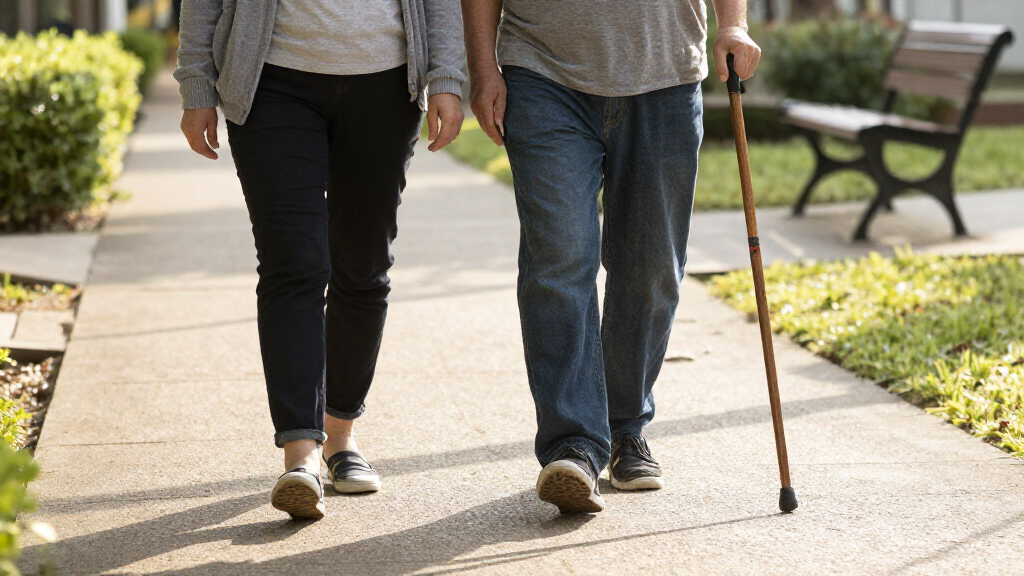
In the report, the early recovery period begins with assisted standing and walking. It says many patients take their first steps on the day of surgery with help, often using a walker or cane while strength and balance recover. The surgeon or physical therapist can advise when it is appropriate to stop using an aid. Walking is then extended gradually as part of rebuilding motion and the muscles around the joint.
For knee replacement, the report says much of the ability to bend and straighten the knee returns within about six weeks, and recommends doing prescribed exercises daily during that period, even if the knee feels stiff. Swimming can generally resume once a surgeon confirms the incision has healed. The report places the return to many other activities at around three months, subject to the surgeon’s clearance; it cautions that progress can vary from week to week.
After recovery, activities often pursued include hiking, golf and doubles tennis, as well as walking, swimming and cycling. The report says kneeling is not thought to damage a knee replacement, though it may be uncomfortable initially; a soft surface, such as a cushion or folded towel, may make it easier. It describes running, singles tennis and pickleball as higher-impact activities on which surgeons do not have a definitive answer about implant longevity.
Building Activity Without Rushing
Returning to regular movement can be part of recovering strength and mobility, but the report’s guidance highlights a balance: activity should increase in small steps, rather than through a rapid return to previous distances or intensity. It advises patients to notice how the joint feels the next day. New pain or swelling the following morning is a signal, according to the report, to ease back before trying to increase activity again.
The report also says strengthening can continue well beyond formal physical therapy. Muscles around a replaced hip or knee may keep gaining strength for a year or more. That makes continued exercises and a routine on most days relevant after appointments end; short sessions count. For readers considering surgery, the report offers a practical reminder that regaining everyday activities is a common aim, but does not promise a particular return date or activity level.
It also flags discomfort elsewhere: the opposite hip or knee and the lower back may carry more load before surgery and during recovery. A new ache in those areas should be mentioned to a surgeon or physical therapist, the report says. This guidance matters because recovery involves more than the replaced joint alone.
Products Worth Considering

Bowflex SelectTech 840 Adjustable Kettlebell

Garmin Forerunner 970 GPS Running and Triathlon Smartwatch, 47mm, Carbon Gray DLC Titanium with Black/Whitestone Band

Garmin Forerunner 570 GPS Running Smartwatch, 42 mm, Aluminum Bezel, Bone/Mango
As an affiliate, we earn on qualifying purchases.
Recovery Milestones in the Report
The report frames the first few months as a gradual progression rather than a fixed timetable. Patients may begin walking with support soon after surgery, but the decision to stop using a walker or cane is left to their care team. Prescribed exercise, regular walking and follow-up advice are presented as parts of the early recovery process, not as a substitute for individualized instructions.
It distinguishes between low-impact activity and sports that place harder jolts or greater demands on the joint. The source lists walking, swimming, cycling, hiking, golf and doubles tennis among activities many people return to after recovery. It treats running, singles tennis and pickleball differently, noting that recommendations can vary among surgeons and that the effect of high-impact activity on implant life is not definitively established.
The source is a general report from Sixty and Me, not a patient-specific medical plan or a clinical study cited in the supplied material. Its timing estimates and activity descriptions should be understood as broad guidance. A patient’s surgeon or physical therapist remains the source for advice tailored to the operation, healing and individual goals.
““Most other activities return at around three months, after clearance from the surgeon.””
— Sixty and Me report
Timelines and Sport Risks Vary
The supplied report does not provide a study, data set or named clinical guideline supporting its general recovery estimates. It does not specify how advice differs by surgical technique, implant, individual health or complications, and it gives no single timetable that applies to every patient. Its reference to a return to many activities at about three months is explicitly tied to surgeon clearance.
The effect of higher-impact sports on implant durability remains unresolved in the report. It says recommendations are debated among surgeons and offers no definitive finding that these activities either shorten or preserve implant life. Patients who want to return to a particular sport should ask their surgeon about that sport and their own recovery. The source also does not quantify how often people return to each listed activity.
Follow Recovery With the Care Team
For patients in recovery, the report’s next steps are to continue prescribed strengthening, extend walking and other activity in small increments, and follow the care team’s instructions on mobility aids and when to resume specific activities. Swimming should wait until the surgeon confirms the incision has healed, and other activity should be resumed only with appropriate clearance.
Anyone considering a return to a higher-impact sport should discuss the specific activity with their surgeon before restarting. The report also advises raising new pain or swelling, including aches in the opposite joint or lower back, with a surgeon or physical therapist. No further clinical guidance or update is included in the supplied source material.
Key Questions
When can someone walk after a hip or knee replacement?
The Sixty and Me report says many patients stand and take their first steps on the day of surgery with assistance. Patients may initially use a walker or cane, and their surgeon or physical therapist can advise when to stop.
When can swimming resume after surgery?
The report says swimming can generally begin once the surgeon confirms the incision has fully healed. Patients should follow their own care team’s instructions.
Which activities may people return to after recovery?
The report lists walking, hiking, swimming, cycling, golf and doubles tennis as low-impact activities many people return to. Individual recovery and medical advice can affect what is appropriate.
Is it safe to return to running or pickleball?
The report says higher-impact activities, including running and pickleball, remain debated among surgeons, and there is no definitive answer in the source about whether they shorten implant life. It recommends discussing the specific sport with a surgeon.
What should someone do if activity causes next-day pain or swelling?
The report advises easing back for a while if new pain or swelling appears the next morning, then increasing activity more gradually. Patients should raise new or concerning symptoms with their surgeon or physical therapist.
Source: sixtyandme.com