
TL;DR
A personal trainer recommends a specific dumbbell workout for clients over 60 to maintain strength and mobility. This trend reflects growing interest in age-appropriate fitness routines, though details are still emerging.
A personal trainer has publicly shared a specific dumbbell workout aimed at clients over 60, emphasizing its safety and effectiveness for maintaining strength and mobility. This development highlights an increasing focus on age-appropriate fitness routines as the population ages and more older adults seek ways to stay active and healthy.

Turn quiet afternoons into listening time
- Thousands of audiobooks, podcasts and originals
- Listen on your phone, tablet or Echo — also offline
- Cancel anytime
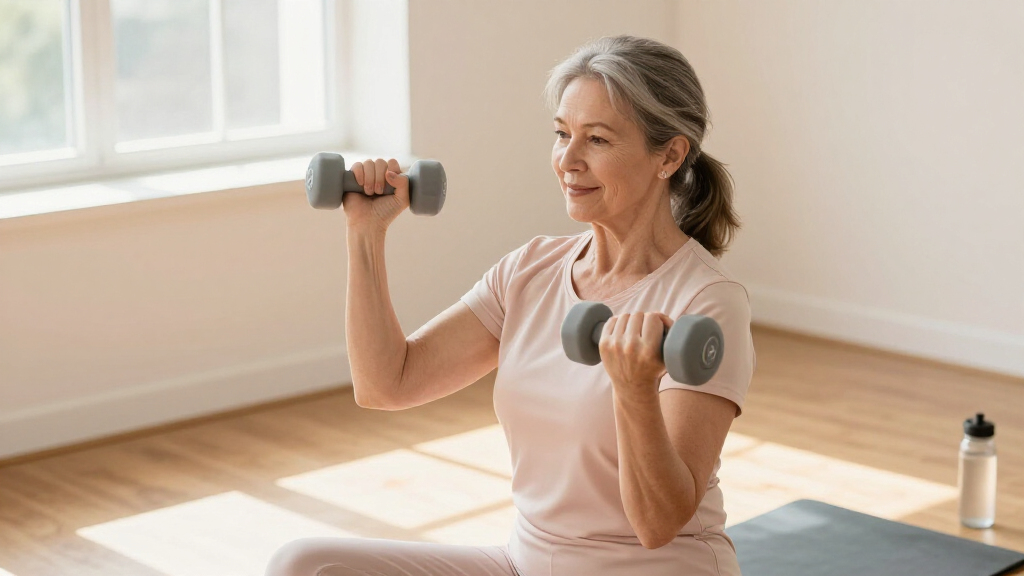
The workout recommended by the trainer involves a series of controlled, moderate-weight dumbbell exercises targeting major muscle groups, including the arms, shoulders, chest, back, and legs. It is designed to be performed two to three times per week, with a focus on proper form and gradual progression to prevent injury.
According to the trainer, the routine prioritizes safety by emphasizing slow, controlled movements and appropriate weight selection. The exercises include bicep curls, shoulder presses, chest presses, bent-over rows, and seated leg lifts, among others. The trainer recommends starting with light weights—typically 1 to 5 pounds—and increasing gradually as strength improves.
While the routine has gained attention in wellness circles, it is based on general principles of strength training for older adults, which are well-established in fitness literature. The trainer notes that consistency and proper technique are key to seeing benefits and avoiding injury, especially for beginners or those with existing health conditions.
Why This Dumbbell Routine Matters for Older Adults
This trend underscores a broader shift toward promoting strength and mobility in the aging population, which can help prevent falls, improve independence, and enhance quality of life. The routine’s emphasis on safety and gradual progress makes it accessible for many seniors, potentially encouraging more to engage in regular physical activity.
As interest in age-specific fitness grows, such routines may influence how gyms, trainers, and healthcare providers approach exercise recommendations for older adults. The routine’s simplicity and focus on common equipment like dumbbells make it feasible for home workouts, increasing accessibility.
Products Worth Considering

BowFlex Results Series SelectTech Adjustable Dumbbells, Pair

BowFlex SelectTech 840 Adjustable Kettlebell

Levoit Eleva 300X Air Purifier for Home Bedroom
As an affiliate, we earn on qualifying purchases.
Growing Interest in Age-Appropriate Strength Training
Interest in strength training for those over 60 has been rising, driven by research showing its benefits for muscle mass, bone density, and overall health. Many fitness professionals now recommend tailored routines to address age-related muscle loss (sarcopenia) and improve functional capacity.
The current focus on dumbbell workouts reflects a broader trend of promoting simple, effective exercises that can be performed safely at home or in gyms. Although specific routines vary, the emphasis on gradual progression and proper form remains consistent across expert guidance.
This surge in coverage and search interest is part of a larger societal shift toward active aging, though it is unclear whether the specific workout routine shared by the trainer is based on a formal program or personal adaptation. The exact origin of the routine remains unconfirmed.
Unconfirmed Details About the Routine’s Origin
It is not yet clear whether the specific dumbbell workout shared by the trainer is part of a formal program, a personal adaptation, or an emerging trend. The source of the routine remains unverified, and whether it has been tested or endorsed by health authorities is unknown.
Additionally, the extent of its adoption among other trainers or fitness centers has not been established. More evidence is needed to determine its widespread applicability or effectiveness.
Monitoring Adoption and Evaluating Effectiveness
Further investigation will reveal whether this workout gains traction among older adults and fitness professionals. Researchers and health authorities may begin to assess its safety and benefits through studies or user feedback.
Fitness trainers and healthcare providers might incorporate similar routines into broader age-specific exercise guidelines, especially if anecdotal and preliminary evidence supports its efficacy.
In the meantime, individuals interested in adopting such routines should consult with healthcare providers or qualified trainers to tailor exercises to their personal health conditions.
Key Questions
Is this dumbbell workout suitable for beginners?
Yes, the routine emphasizes starting with light weights and proper form, making it accessible for beginners, especially older adults new to strength training.
Can I do this workout at home without a trainer?
Yes, the exercises are simple and can be performed at home with minimal equipment, but it is advisable to consult a professional initially to ensure proper technique.
What are the safety precautions to consider?
Start with light weights, perform exercises slowly and with control, listen to your body, and consult with a healthcare provider before beginning any new exercise routine.
How often should I perform this workout?
According to the trainer’s recommendations, two to three times per week is ideal for maintaining strength without overtraining.
Are there any health conditions that might prevent me from doing this routine?
Individuals with existing health issues or mobility concerns should seek medical advice before starting any new exercise program.
Source: rss